Key takeaways
- Pro: USB and XLR connectivity supports both simple and advanced setups.
- Pro: Strong feature-to-price balance for gaming use.
- Con: It may be more microphone than you need for a basic voice chat setup.
Quiet-voiced streamers face a tricky recording problem: a microphone must capture low-volume speech without making the game, keyboard, mouse, computer fans, or room reflections equally prominent. In a typical bedroom or home office, moving closer to the mic can help, but it also makes handling noise, plosives, and uneven volume more noticeable. A dynamic microphone is often a practical starting point because it generally favors nearby sound and can be more forgiving than a sensitive condenser in an untreated room.
This roundup focuses on the best dynamic microphone for quiet vocal game streamers, with an emphasis on usable USB connectivity, XLR upgrade paths, vocal control, and value. The picks below suit different setups, from a simple plug-and-play desk arrangement to a dedicated audio interface. Prices are listed as provided, and the ranking is designed for streamers who want clearer, more present speech without turning their room into a recording studio.
As an Amazon Associate we earn from qualifying purchases at no extra cost to you. Product prices and availability are accurate as of the date shown and are subject to change.


Quick Picks
| Product | Best for | Price |
|---|---|---|
| FIFINE AmpliGame AM8 USB/XLR Dynamic Microphone for Gaming Streaming | Best overall value | $56.99 |
| MAONO PD200XS XLR/USB Dynamic Microphone Kit, RGB Gaming Mic with Software | Software and streaming controls | $79.99 |
| Shure MV7X XLR Dynamic Podcast & Recording Microphone – Black | Dedicated XLR setups | $199 |
| MAONO XLR/USB Gaming Microphone for PC, Dynamic Computer Mic for Streaming Podcasting, Noise Reduction, Mute, Volume Control, RGB Boom Mic for Vocal Recording,Voice-Over, PD100XS Black | Feature-heavy budget setups | $51.97 |
| MAONO HD300T USB XLR Dynamic Podcast Microphone for PC & Audio Interface | USB-to-XLR flexibility | $59.98 |
| MAONO DGM20W Wireless Gaming Microphone for PC & Smartphones | Wireless streaming | $72.99 |
| MAONO PD100 XLR Podcast Microphone, Cardioid Studio Dynamic Metal Desk Mic | Simple XLR value | $44.99 |
| Aveek USB/XLR Dynamic Microphone with Boom Arm for Gaming & Streaming | Lowest-cost complete setup | $24.99 |
How We Picked
Quiet vocal streaming rewards consistency more than sheer sensitivity. We prioritized dynamic microphones that can be positioned close to the speaker, since distance is one of the simplest ways to make a soft voice more intelligible. USB models earned attention for their straightforward computer connection, while USB/XLR models received extra consideration because they can move into an audio-interface setup later.
We also looked at the practical features that matter during a live broadcast: mute controls, volume adjustment, software support, RGB options, wireless convenience, and whether the microphone is aimed at a desk or boom-arm arrangement. No microphone can remove every keyboard click or room sound on its own, so each review explains the type of streamer who should use the pick and when another option makes more sense.
The 8 Best Picks
1. FIFINE AmpliGame AM8 USB/XLR Dynamic Microphone for Gaming Streaming
At $56.99, the FIFINE AmpliGame AM8 is the strongest all-around choice for a quiet-voiced gamer who wants an easy starting point without giving up a future upgrade path. Its USB/XLR design lets you connect directly to a computer now and move to an audio interface later. That flexibility is useful if your stream develops into podcasting, voice-over work, or longer-form recording. It is also clearly designed with gaming and streaming in mind, rather than requiring you to adapt a studio-first product to a desk setup.
- Pro: USB and XLR connectivity supports both simple and advanced setups.
- Pro: Strong feature-to-price balance for gaming use.
- Con: It may be more microphone than you need for a basic voice chat setup.
Skip it when: you specifically want a wireless microphone or a strictly XLR-only recording chain.
2. MAONO PD200XS XLR/USB Dynamic Microphone Kit, RGB Gaming Mic with Software
The MAONO PD200XS is a good match for streamers who want control at the microphone and software features in the wider setup. Its XLR/USB connectivity covers both direct computer use and future interface-based recording, while the RGB treatment fits a gaming desk. The included software is especially appealing if you want to shape your stream workflow without immediately assembling a separate collection of audio tools. At $79.99, it costs more than the basic budget options, but the added controls and presentation can make sense for a creator who spends a lot of time live.
- Pro: Combines USB, XLR, RGB, and software support.
- Pro: A flexible choice for streamers who want room to expand.
- Con: The higher price is harder to justify if you will only use basic USB audio.
Skip it when: you prefer a minimalist microphone with no gaming-focused extras.
3. Shure MV7X XLR Dynamic Podcast & Recording Microphone – Black
The Shure MV7X is the specialist pick for a streamer who already has, or plans to buy, an XLR audio interface. At $199, it is the most expensive option here, so it is aimed at buyers who value a dedicated recording workflow rather than the lowest entry price. Its podcast and recording focus makes it a natural fit for quiet spoken commentary, interviews, and voice-led streams. Because it is XLR-only, it does not offer the convenience of plugging directly into a computer over USB. That makes the setup more deliberate, but also less beginner-friendly.
- Pro: Purpose-built for XLR podcast and recording workflows.
- Pro: A serious long-term option for voice-focused creators.
- Con: It requires an XLR interface and has the highest price in this roundup.
Skip it when: you need USB simplicity or want gaming features such as RGB and software controls.
4. MAONO PD100XS XLR/USB Gaming Microphone
The MAONO PD100XS packs a broad collection of streamer-friendly features into a $51.97 option. It is a dynamic computer microphone with USB/XLR connectivity, noise reduction, mute, volume control, and RGB. For a quiet speaker, the mute and volume controls are convenient during live broadcasts, while the connectivity gives you a way to move beyond a direct computer connection later. The product’s feature list is its main attraction: it aims to cover the needs of a gaming desk, a streaming setup, and basic vocal recording without requiring several accessories.
- Pro: Offers noise reduction, mute, volume control, and RGB at a budget price.
- Pro: USB/XLR flexibility suits both beginners and upgraders.
- Con: The many gaming features may feel unnecessary for audio purists.
Skip it when: you want the simplest possible microphone with fewer controls and visual extras.
5. MAONO HD300T USB XLR Dynamic Podcast Microphone for PC & Audio Interface
The MAONO HD300T is a sensible middle-ground microphone for someone dividing time between streaming and more traditional spoken-word recording. Its USB/XLR format works with a PC or an audio interface, so you can begin without additional hardware and refine the system later. The podcast positioning is useful for a quiet vocalist who wants a focused, speech-oriented setup rather than a microphone dominated by gaming aesthetics. At $59.98, it remains accessible while offering more connection flexibility than an XLR-only model.
- Pro: Works with both a PC and an audio interface.
- Pro: Podcast-oriented design suits commentary and spoken content.
- Con: It may not appeal to streamers seeking RGB or extensive gaming controls.
Skip it when: wireless freedom or a visually themed gaming microphone matters most.
6. MAONO DGM20W Wireless Gaming Microphone for PC & Smartphones
The MAONO DGM20W is the most convenient pick for creators who do not want to stay tied to a desk. It is designed for wireless gaming use with PCs and smartphones, making it useful for mobile content, alternate camera angles, and streams where a cable would get in the way. At $72.99, it costs more than the most basic wired options, but that premium buys a different kind of flexibility. Quiet vocal streamers should consider where the microphone will be used before choosing it: wireless convenience is valuable only if mobility is part of the workflow.
- Pro: Supports wireless gaming use with both PCs and smartphones.
- Pro: Helps keep mobile or movement-focused streams cable-free.
- Con: Wireless is unnecessary for a fixed desk setup.
Skip it when: you want the direct, predictable simplicity of a USB or XLR cable.
7. MAONO PD100 XLR Podcast Microphone, Cardioid Studio Dynamic Metal Desk Mic
The MAONO PD100 is the straightforward value choice for a streamer who already understands the XLR route. At $44.99, it is the least expensive XLR-focused microphone in this list and keeps its pitch centered on podcasting, cardioid studio use, and a metal desk-microphone format. That makes it a reasonable fit for a quiet speaker who wants a focused, conventional vocal setup without paying for USB electronics, software, RGB, or wireless functions. You will need compatible XLR equipment, so the low microphone price should be considered alongside the rest of your signal chain.
- Pro: Low price for a cardioid studio dynamic microphone.
- Pro: A focused option for podcasting and desk-based commentary.
- Con: XLR connectivity is less convenient for first-time USB users.
Skip it when: you need to connect directly to a computer without an audio interface.
8. Aveek USB/XLR Dynamic Microphone with Boom Arm for Gaming & Streaming
For buyers who want to spend as little as possible on a complete-looking streaming setup, the Aveek USB/XLR dynamic microphone is the budget standout at $24.99. The inclusion of a boom arm is particularly useful for quiet speakers because it can help position the microphone close to the mouth while keeping desk clutter down. USB/XLR support also gives the product more flexibility than its price might suggest. The trade-off is that extremely low-cost equipment can be less appealing to creators who want a refined, long-term recording system.
- Pro: The $24.99 price is the lowest in the roundup.
- Pro: Includes a boom arm and offers USB/XLR connectivity.
- Con: It is better suited to entry-level use than a premium recording workflow.
Skip it when: you are building a professional, voice-first setup and want the strongest upgrade foundation.
Buying Guide
USB or XLR?
USB is the simplest choice for a streamer connecting directly to a computer. XLR requires an audio interface but can fit more advanced setups. USB/XLR microphones offer the most flexibility, especially if you are not sure how far your streaming hobby will go.
How should quiet speakers position a microphone?
Keep the microphone close enough to make your voice prominent, but avoid speaking directly into the capsule. A boom arm can make positioning easier and reduce the temptation to sit too far away. Use a steady speaking distance, then adjust input level and software processing gradually rather than relying on excessive gain.
Which features actually matter?
Mute and volume controls are useful during live streams, while software support can simplify routine adjustments. RGB is mainly a visual preference. Wireless connectivity matters when you use a smartphone or move around; for a stationary desk, a wired USB or XLR model is usually the more practical choice.
Our Verdict
The FIFINE AmpliGame AM8 is the best overall choice for most quiet vocal game streamers because it balances a $56.99 price with USB/XLR flexibility and a gaming-focused design. Choose the MAONO PD200XS if software and streaming controls are priorities, the Shure MV7X if you are committed to XLR recording, or the Aveek if your budget is extremely tight. For most buyers, a close, consistent microphone position will matter just as much as the model itself.
FAQ
Are dynamic microphones good for quiet voices?
Yes. A dynamic microphone can work well for a quiet speaker when positioned close and aimed consistently. It can also be a practical choice in a room with computer noise or other unwanted sounds.
Is USB or XLR better for game streaming?
USB is easier for a direct computer setup. XLR is better suited to a creator who already owns an audio interface or expects to build a more advanced recording chain. USB/XLR models provide both paths.
Do I need a boom arm?
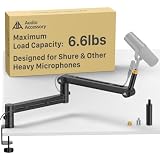
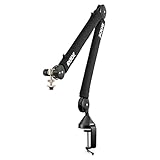
No, but a boom arm can make close microphone placement easier and free space on the desk. The Aveek option includes a boom arm, while the other products should be assessed according to the mounting equipment in your setup.
What is the best budget pick?
The Aveek is the lowest-priced option at $24.99, while the MAONO PD100 offers a low-cost XLR route at $44.99. The FIFINE AM8 is the stronger all-around budget choice if you want both USB and XLR flexibility.