Key takeaways
- Core Count vs. Clock Speed: Gaming leans more on high clock speeds and strong single-thread performance than raw core count; extra E-cores help with streaming and multitasking but rarely boost frame rates directly.
- Platform and Socket: Confirm whether the CPU uses LGA1700 (older boards, cheaper upgrade path) or the newer LGA1851 socket for Core Ultra chips, since motherboards aren’t interchangeable between them.
- Power and Cooling: Flagship K-series chips can draw well over 200W under load, so budget for a robust cooler and a PSU with headroom, especially if you plan to overclock.
- Integrated Graphics: Chips with built-in graphics (like the i7-14700K) let you troubleshoot or run a system before your GPU arrives; “F” suffix chips skip this to save cost.
- Future-Proofing: Newer Core Ultra CPUs offer better efficiency and platform longevity, while previous-gen i7/i9 chips often deliver similar gaming performance at a lower price today.
What's inside
Choosing the right CPU for gaming in 2026 is trickier than it sounds. Intel’s lineup now spans two architectures—legacy Core i7/i9 chips and the newer Core Ultra series—each with different core layouts, power demands, and platform requirements. Add in the usual questions about overclocking headroom, motherboard compatibility, and whether extra cores actually help your frame rate, and it’s easy to overspend on power you won’t use or underspend and bottleneck your GPU.
This guide breaks down six of Intel’s most relevant gaming processors, from budget-friendly quad-core-plus designs to flagship 24-core monsters. We’ll cover what actually matters for gaming performance, review each chip’s strengths and trade-offs, and help you land on the right processor for your build and budget.
As an Amazon Associate we earn from qualifying purchases at no extra cost to you. Product prices and availability are accurate as of the date shown and are subject to change.


🎮 Get More From Your Setup — Free
Prime Gaming gives you free PC games every month, in-game loot, and a free Twitch channel sub — plus fast free shipping on all the gear above. New members get a 30-day free trial.
Watch: Best What Is The Best Intel CPU For Gaming — Video Review
How to Choose a Best Intel CPU For Gaming (2026)
- Core Count vs. Clock Speed: Gaming leans more on high clock speeds and strong single-thread performance than raw core count; extra E-cores help with streaming and multitasking but rarely boost frame rates directly.
- Platform and Socket: Confirm whether the CPU uses LGA1700 (older boards, cheaper upgrade path) or the newer LGA1851 socket for Core Ultra chips, since motherboards aren’t interchangeable between them.
- Power and Cooling: Flagship K-series chips can draw well over 200W under load, so budget for a robust cooler and a PSU with headroom, especially if you plan to overclock.
- Integrated Graphics: Chips with built-in graphics (like the i7-14700K) let you troubleshoot or run a system before your GPU arrives; “F” suffix chips skip this to save cost.
- Future-Proofing: Newer Core Ultra CPUs offer better efficiency and platform longevity, while previous-gen i7/i9 chips often deliver similar gaming performance at a lower price today.
The Best Best Intel CPU For Gaming (2026)s Reviewed
Core Ultra 7 270K Plus
With 24 cores and boost speeds to 5.5 GHz, the 270K Plus balances strong gaming clocks with genuine multitasking muscle, making it a smart pick for gamers who also stream or edit video.
Core i7-14700K
A proven 20-core performer with integrated graphics and full overclocking support, the 14700K remains one of the best price-to-performance gaming chips on the LGA1700 platform.
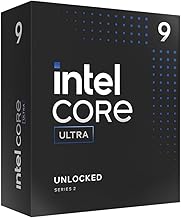
Core Ultra 9 285K
Intel’s flagship 24-core chip pushes clocks to 5.7 GHz, delivering the highest ceiling for both gaming and heavy productivity workloads—ideal if you want zero compromises.
Core i7-12700KF
A leaner 12-core design without integrated graphics, the 12700KF still hits 5.0 GHz and offers excellent gaming performance for builders on a tighter budget.
Core i9-14900K
The 14900K packs serious clock speed and cache for elite 1080p and 1440p gaming, making it a favorite among enthusiasts who want top-tier frame rates on the established LGA1700 platform.
Frequently Asked Questions
Do more cores actually improve gaming performance?
Beyond 6-8 strong performance cores, additional cores mainly help with background tasks like streaming or encoding rather than boosting in-game frame rates.
Should I choose Core Ultra or a traditional Core i7/i9 chip?
Core Ultra chips offer newer architecture and better efficiency, but many Core i7/i9 processors still match or exceed them in pure gaming benchmarks at a lower price.
Do I need a K-series (unlocked) processor?
Only if you plan to overclock; non-K chips run at fixed clock speeds and are often more affordable for gamers who won’t push beyond stock performance.
How much cooling do I need for these chips?
Flagship chips like the i9-14900K or Core Ultra 9 285K perform best with a high-end air cooler or 240mm+ liquid cooler, especially if overclocked.
Final Thoughts
For most gamers, the Core i7-14700K remains the sweet spot of price and performance, while the Core Ultra 9 285K is the go-to choice for those wanting the highest possible ceiling. Budget-conscious builders should strongly consider the Core i7-12700KF for excellent gaming performance without the premium price tag.