Key takeaways
- Prioritize gaming architecture over core count: Games rarely scale past eight cores. A chip with large cache and strong single-thread performance will outrun a higher-core-count part in nearly every title, so don’t pay extra for cores you won’t use.
- Understand what 3D V-Cache does: AMD’s stacked cache dramatically reduces memory latency in games, often delivering 15-30% higher frame rates in CPU-limited titles. If your budget stretches to an X3D chip, it’s the single best gaming-per-dollar feature available.
- Factor in the platform, not just the chip: AM5 boards and DDR5 cost more upfront but support future upgrades, while AM4 remains remarkably cheap and still delivers excellent gaming performance. Budget for the motherboard and RAM before you fall in love with a processor.
- Check whether a cooler is included: Some budget chips ship with a competent stock cooler, saving you $30-40. Higher-power parts almost never do, and skimping on cooling will cost you sustained clock speeds.
- Match the CPU to your GPU and resolution: At 1440p and above the graphics card does most of the heavy lifting, so an over-specced CPU is wasted money. At 1080p with a high-refresh monitor, the processor matters far more.
What's inside
Shopping for a gaming CPU in 2026 is confusing in a way it wasn’t a few years ago. Prices swing week to week, older chips linger on shelves alongside current-generation parts, and the fastest processor in a benchmark chart is rarely the smartest thing to put in a $1,200 build. Spend too little and you bottleneck a good graphics card; spend too much and you’ve robbed the GPU budget that actually drives your frame rate. The sub-$300 bracket is where most gamers should be looking, and it happens to be the most competitive segment on the market right now.
This guide covers the processors we’d genuinely recommend to a friend building or upgrading a gaming PC on a real budget. We’ve focused on chips that deliver strong 1080p and 1440p performance, sit on platforms with a clear upgrade path, and don’t demand exotic cooling or a premium motherboard to hit their rated speeds. Below you’ll find our top picks, a short buying checklist, honest reviews of each processor, and answers to the questions we get asked most often.
As an Amazon Associate we earn from qualifying purchases at no extra cost to you. Product prices and availability are accurate as of the date shown and are subject to change.





⚡ Save on Your Next PC — Amazon Prime
Prime members get fast free shipping on the systems above, plus early access to Prime Day & Black Friday PC deals. New members get a 30-day free trial.
Watch: Best CPU for Gaming Under $300 — Video Review
How to Choose CPU for Gaming Under $300
- Prioritize gaming architecture over core count: Games rarely scale past eight cores. A chip with large cache and strong single-thread performance will outrun a higher-core-count part in nearly every title, so don’t pay extra for cores you won’t use.
- Understand what 3D V-Cache does: AMD’s stacked cache dramatically reduces memory latency in games, often delivering 15-30% higher frame rates in CPU-limited titles. If your budget stretches to an X3D chip, it’s the single best gaming-per-dollar feature available.
- Factor in the platform, not just the chip: AM5 boards and DDR5 cost more upfront but support future upgrades, while AM4 remains remarkably cheap and still delivers excellent gaming performance. Budget for the motherboard and RAM before you fall in love with a processor.
- Check whether a cooler is included: Some budget chips ship with a competent stock cooler, saving you $30-40. Higher-power parts almost never do, and skimping on cooling will cost you sustained clock speeds.
- Match the CPU to your GPU and resolution: At 1440p and above the graphics card does most of the heavy lifting, so an over-specced CPU is wasted money. At 1080p with a high-refresh monitor, the processor matters far more.
The Best Picks Reviewed
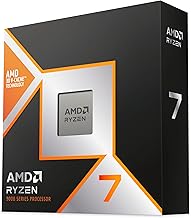
AMD Ryzen 7 9800X3D
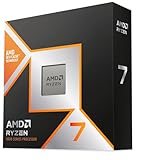
This remains the fastest gaming processor you can reasonably buy, pairing eight Zen 5 cores with second-generation 3D V-Cache for chart-topping frame rates in everything from competitive shooters to simulation-heavy strategy games. It sits at the very top of this budget bracket, so watch for sales — but if you catch one, nothing else here comes close in raw gaming throughput.
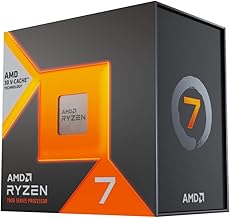
AMD Ryzen 7 7800X3D
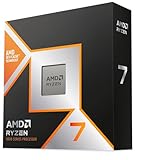
The chip that defined value gaming performance for two generations running, and still an outstanding buy now that it’s routinely discounted well under $300. It gives up only a modest margin to its 9000-series successor in real games while running cool, sipping power, and dropping into any AM5 board with a BIOS update.
AMD Ryzen 7 5800X3D
The best upgrade on the planet for anyone still running an AM4 system, delivering near-current-gen gaming performance without a new motherboard, RAM kit, or fresh Windows install. Productivity performance is dated by 2026 standards, but for pure gaming on an existing platform it’s a genuinely transformative drop-in.
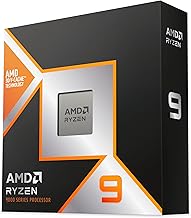
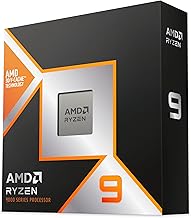
AMD Ryzen 5 9600X
A tidy six-core Zen 5 part that handles 1440p gaming comfortably and leaves plenty of budget for a stronger graphics card, which is usually the right trade. It’s also efficient and cool-running, making it an easy fit for compact builds and modest coolers.
AMD Ryzen 5 5500
The entry point for anyone building a genuinely cheap gaming PC, bundled with a Wraith Stealth cooler so there’s nothing extra to buy. Pair it with a mid-range GPU at 1080p and it holds up far better than the price suggests, though it’s a chip you’ll want to upgrade rather than build around long-term.
Frequently Asked Questions
Is a $300 CPU enough for high-refresh 1440p gaming?
Comfortably, yes. At 1440p the graphics card is the limiting factor in the vast majority of titles, and any of the X3D chips here will feed a high-end GPU without breaking a sweat.
Do I need an X3D processor, or is a standard chip fine?
If gaming is your priority and the price gap is under $60-70, the X3D version is almost always the better buy. If you also do heavy content creation or compiling, a standard chip with more all-core headroom may serve you better.
Should I still build on AM4 in 2026?
Only if you already own an AM4 motherboard. Building a new system on the platform saves money upfront but leaves you with no meaningful upgrade path, whereas AM5 will keep receiving new processors for years.
How much RAM should I pair with these CPUs?
32GB is now the sensible baseline for gaming. On AM5, a 6000MHz CL30 DDR5 kit is the sweet spot; on AM4, aim for 3600MHz CL16 DDR4 to get the most out of the Infinity Fabric.
Final Thoughts
If you want the fastest gaming chip that still fits this budget, the Ryzen 7 9800X3D is the one to hunt for on sale, while the Ryzen 7 7800X3D delivers virtually the same in-game experience for noticeably less money and is our overall value pick for a new AM5 build. Anyone sitting on an existing AM4 system should skip both and grab the Ryzen 7 5800X3D — it’s the cheapest route to modern gaming performance without replacing a single other component.