Key takeaways
- Gaming performance: AMD X3D chips lead in most titles thanks to their large L3 cache; Intel closes the gap and sometimes wins in CPU-light games.
- Platform longevity: AMD’s AM5 socket promises upgrades through future generations; Intel sockets change more often.
- Productivity: Intel’s high core counts often edge ahead in rendering and streaming workloads.
- Power and heat: AMD X3D runs efficiently; some Intel chips draw more power under heavy load.
- Value: pricing swings frequently, but AMD often wins on gaming-per-dollar while Intel offers strong all-round bundles.
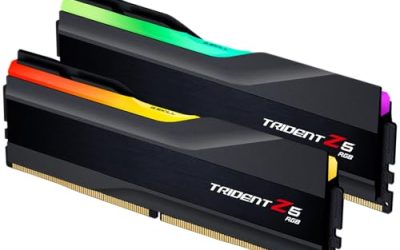
- Memory: both use DDR5 in 2026, with AMD EXPO and Intel XMP profiles.
The Intel versus AMD debate has defined PC gaming for years, and in 2026 both camps make genuinely excellent gaming processors. The old stereotypes, Intel for raw speed, AMD for value, have blurred as AMD’s X3D chips took the gaming crown and Intel answered with efficient new architectures. For most gamers the real question is not which brand is better overall, but which specific chip fits your budget, GPU, and workload.
This comparison cuts through the marketing to focus on what matters for gaming: frame rates, value, platform longevity, and the extras like productivity performance and upgrade paths. We look at how the two stack up in 2026 and who should pick each.
As an Amazon Associate we earn from qualifying purchases.


⚡ Save on Your Next PC — Amazon Prime
Prime members get fast free shipping on the systems above, plus early access to Prime Day & Black Friday PC deals. New members get a 30-day free trial.
Watch: Intel vs AMD for Gaming in 2026 — Video Review
Quick Verdict
For pure gaming, AMD’s 3D V-Cache chips currently deliver the highest and most consistent frame rates, especially at 1080p and 1440p where the CPU matters most. Intel remains a strong choice for gamers who also do heavy multitasking or content creation and want competitive gaming performance at often lower prices. Both are excellent; the winner depends on your priorities.
Key Differences
- Gaming performance: AMD X3D chips lead in most titles thanks to their large L3 cache; Intel closes the gap and sometimes wins in CPU-light games.
- Platform longevity: AMD’s AM5 socket promises upgrades through future generations; Intel sockets change more often.
- Productivity: Intel’s high core counts often edge ahead in rendering and streaming workloads.
- Power and heat: AMD X3D runs efficiently; some Intel chips draw more power under heavy load.
- Value: pricing swings frequently, but AMD often wins on gaming-per-dollar while Intel offers strong all-round bundles.
- Memory: both use DDR5 in 2026, with AMD EXPO and Intel XMP profiles.
Intel for Gaming
Intel’s strength is versatility. Its recent chips pair strong single-thread speed with high core counts, so a gamer who also streams, edits video, or runs many background apps gets excellent all-round performance. In many CPU-light games the difference from AMD is negligible, and Intel systems and prebuilts frequently come in at attractive prices.
The tradeoffs are platform longevity and, on the top parts, power draw. Intel sockets tend to change every couple of generations, so a future CPU upgrade may require a new motherboard. If you value a complete, capable system today and do mixed workloads, Intel is a smart pick.
AMD for Gaming
AMD’s X3D processors with stacked 3D V-Cache have set the gaming benchmark, delivering the highest average and 1 percent low frame rates in the majority of titles. Paired with a strong GPU at 1080p or 1440p, an X3D chip squeezes out every frame your graphics card can produce.
Beyond raw speed, AMD’s AM5 platform offers a long upgrade runway, letting you drop in a newer CPU later without changing motherboards. Efficient power use keeps these chips cool and quiet. For a gaming-first build, AMD is hard to beat right now.
Which Should You Buy?
- Choose AMD X3D if maximum frame rates and future upgradeability are your top priorities.
- Choose Intel if you do heavy content creation or streaming alongside gaming.
- Choose whichever offers the better bundle price in your budget, the gap in real games is often small.
- At 4K, either is fine, the GPU becomes the bottleneck, so spend more there.
- For a prebuilt, judge the whole system, not just the CPU brand.
Frequently Asked Questions
Does the CPU matter at 4K?
Less than you think. At 4K the GPU does most of the work, so Intel and AMD perform similarly. The CPU choice matters most at 1080p and 1440p and for high-refresh gaming.
Is AMD always faster for gaming?
X3D chips lead in most titles, but Intel wins some CPU-light games and stays close elsewhere. The gap is often small enough that price and workload should decide.
Which platform lasts longer?
AMD’s AM5 socket is committed to supporting multiple future generations, giving a clearer upgrade path than Intel’s more frequent socket changes.
Do I need DDR5 for either?
In 2026 both platforms use DDR5. Enable your EXPO or XMP memory profile in BIOS to get the rated speed and full gaming performance.
Final Verdict
There is no bad choice here. AMD’s X3D chips are the frame-rate champions and the pick for a gaming-first build with a long upgrade path, while Intel is the better all-rounder for gamers who also create content or want a strong bundle price. Match the chip to your GPU and workload rather than the badge, and you will be happy either way.