Key takeaways
- You cannot fully soundproof a streaming room on a small budget, but you can cut echo, reduce what your microphone picks up.
You cannot fully soundproof a streaming room on a small budget, but you can cut echo, reduce what your microphone picks up, and lower how much noise leaves the room by sealing gaps, adding soft mass, and treating reflective surfaces. Start with the air gaps around the door and window, because sound escapes through openings first.
This guide is for streamers working from a bedroom, spare room, or shared apartment who deal with two separate problems: a boomy, echoey sound on stream, and complaints from neighbors or family about the noise. They have different fixes, so it helps to understand which one you are solving.
Soundproofing Versus Acoustic Treatment
Soundproofing blocks sound from passing through walls, doors, and floors. It needs mass and airtight seals, and it is difficult and costly to do well. Acoustic treatment controls how sound behaves inside the room by absorbing reflections, which cleans up your microphone signal and reduces echo.
Most streamers need treatment more than soundproofing. A room with bare walls and a hard floor sounds hollow on the microphone no matter how quiet the neighbors are. Treating the room improves your audio, while sealing gaps and adding mass reduces outgoing noise. Both are possible on a modest budget, and doing them in order of impact gets the best result.
Step 1: Seal the Gaps
Sound leaks like water. Even a small gap around a door can undo the effect of thick walls. Walk the room and look for openings before you buy anything else.
Door seals
Add adhesive weatherstripping around the door frame and a door sweep along the bottom. These cost little and have an immediate effect. Hollow-core interior doors leak more sound, and some people hang a heavy curtain or a moving blanket over the door for extra mass.
Window gaps
Check the frame for gaps and seal them with removable acoustic or weatherproof caulk. Heavy, lined curtains reduce echo and give a modest improvement in outgoing sound. For a stronger effect, a removable window plug made of dense material fitted to the frame can help, though it blocks light.
Vents and outlets
Electrical outlet boxes on shared walls can leak sound. Foam outlet pads are inexpensive and easy to fit. Be careful with vents and never block air supply or return openings that the heating system needs for safe operation.
Step 2: Add Soft Surfaces
Hard surfaces bounce sound back to the microphone, which creates echo. Soft, porous materials absorb it. A rug over a hard floor, a bookshelf full of uneven items, and upholstered furniture all reduce reflections.
- Lay a thick rug under the desk and chair, and consider a pad beneath it.
- Hang moving blankets or heavy curtains on the wall behind and beside you.
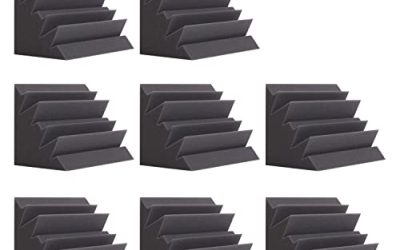
- Place acoustic foam or fabric panels at the first reflection points on the side walls and behind the microphone.
- Fill a bookshelf with books, as the uneven surfaces scatter sound.
Thin foam sheets mostly absorb high frequencies and do little for low-end rumble, so do not expect them to block outside noise. They are for echo control, not for blocking neighbors.
Step 3: Improve Microphone Setup
Often the cheapest improvement is how you use the microphone. A dynamic microphone picks up less background than a sensitive condenser, so if noise is a problem, a dynamic microphone used close to your mouth reduces what the room contributes. Place it on an arm, so it sits near the mouth instead of picking up the whole room.
Add a pop filter and a shock mount to reduce desk bumps and keyboard thumps. Place a small mat under the keyboard and use a mouse pad. Lower the microphone gain and talk closer rather than turning up the gain, which raises the noise floor.
Step 4: Use Software Noise Control
Streaming software and audio tools include noise suppression, noise gates, and compressors. A noise gate cuts the microphone when you are not speaking, which hides fan hum and keyboard sounds between sentences. Noise suppression filters steady background noise. Use them lightly, as heavy settings make your voice sound thin or choppy.
Software helps, but it works better on a clean signal. Treat it as the finishing layer after you have dealt with the room and the microphone placement.
Step 5: Reduce Outgoing Noise
To cut the sound leaving the room, add mass and decouple surfaces. Heavy bookcases against shared walls add mass. Mass-loaded vinyl or a second layer of drywall are effective but costly and often not permitted in rented spaces. Check your lease before making changes.
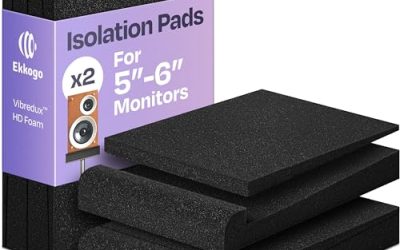
Floor noise is another issue. Place the desk and speakers on isolation pads, and use headphones instead of speakers during late streams. Keep the volume of in-game audio low and let viewers hear it through the stream, not the room.
What Each Fix Does
| Fix | Cost level | Reduces echo | Reduces outgoing noise |
|---|---|---|---|
| Door seal and sweep | Budget | Slight | Noticeable |
| Rug and curtains | Budget | Noticeable | Slight |
| Acoustic panels | Mid-range | Strong | Minimal |
| Heavy bookcase on shared wall | Mid-range | Some | Moderate |
| Mass-loaded barrier | Premium | Little | Strong |
| Dynamic microphone | Budget to mid-range | Reduces pickup | None |
Before You Start Checklist
- Record a short test clip and listen with headphones to identify the problem.
- Decide whether echo or outgoing noise is the bigger issue.
- Seal gaps around the door and window first.
- Add soft surfaces before buying panels.
- Check your lease before attaching anything to walls.
- Keep ventilation and fire exits clear.
A Sensible Order for a Small Budget
If you only have a little to spend, put your money where it changes the sound most. Begin with the door seal and the rug, which fix the biggest leak and the biggest reflective surface. Next, add heavy curtains or hanging blankets on the wall behind you, since that is the surface your microphone hears most clearly. Only then consider panels, and place the first two at the side reflection points, not scattered around the room.
A simple test helps you decide when to stop. Clap once in the middle of the room and listen. A sharp ringing tail means more absorption is still needed. A short, dull thud means you have done enough for voice work. For outgoing noise, ask someone to listen in the next room while you play at normal volume and tell you what they hear, then focus on the specific frequencies or moments that carry through.
Plan on a few stages across 2026 instead of one big purchase. Each small change is easy to measure by recording a short clip before and after, and you avoid spending on fixes that do not suit your room. Keep every receipt and return window in mind, so any panel that does not help can go back.
Habits That Cost Nothing
Schedule the loudest streams for hours when neighbors are awake, and keep late sessions to quieter games. Close the door every time, move loud peripherals such as a clicky keyboard onto a soft mat, and turn down any bass-heavy speakers or a subwoofer, because low frequencies travel through floors and walls far more easily than voices do.
Related guides
- Hall Effect Vs Potentiometer Controller Sticks Explained
- Low Profile Cpu Coolers For Small Form Factor Pcs
- How To Transfer Nintendo Switch Data To A New Console
Frequently Asked Questions
Does egg-carton foam soundproof a room?
No. It is too thin and light to block sound, and it does little for echo either. Proper acoustic panels or heavy fabric do more for the same effort.
What is the cheapest thing that makes the biggest difference?
Door and window sealing plus a rug and curtains. These cover the largest leaks and the biggest reflective surfaces, and they cost little compared with panels.
Can I make a rented room quieter without damaging it?
Yes. Freestanding bookcases, rugs, hanging blankets with removable hooks, and adhesive door seals leave little or no trace. Avoid anything that needs screws or permanent glue unless your landlord agrees.
Will a better microphone solve my noise problem?
It can help. A dynamic microphone positioned close to the mouth picks up less of the room than a sensitive condenser. Combine it with basic room treatment and noise gating for the best result.
FAQ
Does egg-carton foam soundproof a room?
What is the cheapest thing that makes the biggest difference?
Can I make a rented room quieter without damaging it?
Will a better microphone solve my noise problem?
More from Amazon
Programs that pair well with the guide above. Offers and eligibility are set by Amazon and may change.
Free shipping on eligible items, Prime Video and more. Eligible new members can start with a free trial.
Start a Prime free trialAd-free music streaming. Eligible new subscribers can start with a free trial.
Try Music Unlimited freeA Prime membership for ages 18-24 with a trial period. Eligibility is set by Amazon.
See Prime for Young AdultsAudiobooks and podcasts to listen to on the go. Eligible new members can start with a free trial.
Try Audible freeAs an Amazon Associate we earn from qualifying purchases.