Key takeaways
- Classic ergonomic DeathAdder shape at just 59 grams
- 8,000Hz polling and a fast optical sensor for ultra-smooth tracking
- Durable optical switches that resist double-click failures
- Flexible cable and low, consistent wired latency
What's inside
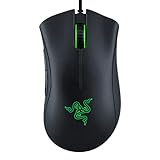
The Razer DeathAdder V3 is the wired version of Razer’s most iconic gaming mouse, reworked into a lightweight 59-gram shell with an 8,000Hz polling rate. Where the classic DeathAdder was a heavier ergonomic workhorse, this iteration keeps the beloved right-handed shape but strips it down for competitive play, making it a rare thing: an ergonomic mouse that is also genuinely lightweight.
It is aimed at right-handed players who love the tall, sculpted DeathAdder hump and want palm or hybrid grip support without carrying the extra grams of older models. Because it is wired, it also suits players who want to sidestep battery management entirely and get the lowest, most consistent latency. If you prefer a flat ambidextrous shape, a fingertip grip, or the freedom of wireless, this specific model may not be your best fit.
As an Amazon Associate we earn from qualifying purchases at no extra cost to you. Product prices and availability are accurate as of the date shown and are subject to change.




⚡ Save on Your Next PC — Amazon Prime
Prime members get fast free shipping on the systems above, plus early access to Prime Day & Black Friday PC deals. New members get a 30-day free trial.
Watch: Razer DeathAdder V3 Review — Video Review
Design & Build
The DeathAdder V3 preserves the ergonomic silhouette that made the line famous: a pronounced arch that fills the palm and a thumb rest that encourages a relaxed, supported grip. At 59 grams the wired version is remarkably light for an ergonomic shape, achieved with a solid, non-holed shell rather than a honeycomb cutout. The main switches are Razer’s optical design, the scroll wheel is tactile without being stiff, and the paracord-style cable is flexible enough to feel close to wireless in a bungee. Two side buttons sit naturally under the thumb.
Performance
On the pad the V3 is fast and confident. The 26K-class optical sensor tracks cleanly at any sensible speed, and the 8,000Hz polling rate delivers extremely smooth cursor motion for players with a monitor and system that can take advantage of it. The optical switches actuate crisply and eliminate the double-click issues that plague mechanical switches over time.
The compromises are situational. The 8,000Hz polling can raise CPU usage and only shows its benefit on very high-refresh displays, so many players run it lower with no downside. The shape is unapologetically right-handed, so left-handed and ambidextrous-grip users are out of luck, and the tall hump that palm-grippers love can feel bulky to dedicated fingertip players. Being wired is a plus for latency but a minus for anyone who wants a cable-free desk.
Pros & Cons
- Classic ergonomic DeathAdder shape at just 59 grams
- 8,000Hz polling and a fast optical sensor for ultra-smooth tracking
- Durable optical switches that resist double-click failures
- Flexible cable and low, consistent wired latency
- Right-handed only, unsuitable for left-handed players
- Tall hump can feel bulky for fingertip grip users
- 8,000Hz polling adds CPU load and needs a high-refresh display to matter
Alternatives to Consider
If you want the same ergonomic shape without a cable, the Razer DeathAdder V3 HyperSpeed Wireless drops to 55 grams and adds up to 100 hours of battery. Players chasing the top of the range should consider the Razer DeathAdder V4 Pro, which pushes the polling rate to 8K wirelessly in a 56-gram body. And if you prefer a lighter, flatter ambidextrous option from the same brand, the Razer Viper V3 HyperSpeed is a wireless alternative worth a look.
Frequently Asked Questions
Do I really need 8,000Hz polling?
Most players do not. The benefit is a subtle smoothness that only appears on very high-refresh monitors, and it can increase CPU usage. Running at 1,000Hz or so is perfectly fine and lighter on your system.
Is the wired version worth it over wireless?
If you value the absolute lowest latency, never want to think about charging, and do not mind a cable, the wired version is a great value. If cable clutter bothers you, the wireless HyperSpeed model is a better fit.
What grip style suits the DeathAdder V3?
It is designed for palm and hybrid palm-claw grips thanks to its tall ergonomic hump. Dedicated fingertip users may prefer a flatter, smaller mouse.
Are the optical switches better than mechanical ones?
They actuate with light instead of metal contacts, which largely eliminates the unintended double-clicking that can develop in mechanical switches over time, improving long-term reliability.
Verdict
The Razer DeathAdder V3 wired is a smart modernization of a classic: it keeps the ergonomic comfort that built the DeathAdder’s reputation while shedding enough weight to compete with today’s featherweight mice. Its right-handed-only shape and the marginal real-world value of 8,000Hz polling are the main caveats, but for palm-grip players who want a light, low-latency wired mouse, it is an outstanding choice.