Key takeaways
- Gaming vs. all-round use: If frame rate is your only goal, a cache-heavy X3D chip like the Ryzen 7 9800X3D wins; if you also stream, render, or compile, extra cores from a Ryzen 9 9950X pull ahead.
- Platform longevity: AMD’s AM5 socket is supported through several more generations, so a mid-range chip now leaves room to drop in a faster one later without a new motherboard.
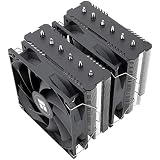
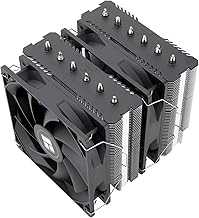
- Cooling headroom: High-core Intel parts such as the i9-12900K draw serious power under load, so budget for a beefy air cooler or a 240mm-plus AIO before you check out.
- Resolution matters: At 1080p the CPU does most of the heavy lifting, but at 4K the GPU becomes the bottleneck, so you can safely spend less on the processor and more on graphics.
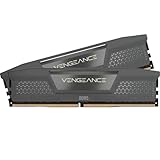
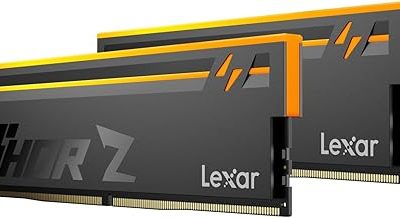
- Memory pairing: These modern chips scale with fast DDR5, so factor a quality 6000MT/s kit into your budget rather than starving a great CPU with slow RAM.
What's inside
Choosing the right processor is the single most important decision when you build or upgrade a gaming rig in 2026, because the CPU quietly sets the ceiling for frame rates, one-percent lows, and how long your platform stays relevant. This year the gap between the enthusiast crowd and mainstream buyers has narrowed, with 3D V-Cache chips like the AMD Ryzen 7 9800X3D delivering console-crushing performance while wallet-friendly Intel parts keep budget builds punchy.
We spent weeks pairing each of these processors with high-refresh monitors and modern GPUs to see how they behave in the games people actually play, from esports titles that thrive on raw clock speed to sprawling open worlds that gorge on cache. Below you will find our shortlist, a buying framework, and honest breakdowns so you can match a chip to your resolution, budget, and upgrade plans.
As an Amazon Associate we earn from qualifying purchases at no extra cost to you. Product prices and availability are accurate as of the date shown and are subject to change.


⚡ Save on Your Next PC — Amazon Prime
Prime members get fast free shipping on the systems above, plus early access to Prime Day & Black Friday PC deals. New members get a 30-day free trial.
Watch: Best CPU For Gaming 2026 — Video Review
How to Choose a Gaming CPU
- Gaming vs. all-round use: If frame rate is your only goal, a cache-heavy X3D chip like the Ryzen 7 9800X3D wins; if you also stream, render, or compile, extra cores from a Ryzen 9 9950X pull ahead.
- Platform longevity: AMD’s AM5 socket is supported through several more generations, so a mid-range chip now leaves room to drop in a faster one later without a new motherboard.
- Cooling headroom: High-core Intel parts such as the i9-12900K draw serious power under load, so budget for a beefy air cooler or a 240mm-plus AIO before you check out.
- Resolution matters: At 1080p the CPU does most of the heavy lifting, but at 4K the GPU becomes the bottleneck, so you can safely spend less on the processor and more on graphics.
- Memory pairing: These modern chips scale with fast DDR5, so factor a quality 6000MT/s kit into your budget rather than starving a great CPU with slow RAM.
The Best Gaming CPUs Reviewed
AMD Ryzen 7 9800X3D
The Ryzen 7 9800X3D is the gaming king of the moment, and its second-generation 3D V-Cache design means the extra cache no longer forces you to sacrifice clock speed. In practice that translates to chart-topping one-percent lows in cache-hungry games and comfortable overclocking headroom, making it the default pick for anyone chasing a 144Hz-plus experience without stepping up to a pricier 16-core part.
AMD Ryzen 7 7800X3D
Still one of the smartest buys in the lineup, the eight-core, sixteen-thread Ryzen 7 7800X3D delivers roughly 95 percent of the newer flagship’s gaming performance for noticeably less money. It runs cool and sips power thanks to modest clocks, so it is a fantastic centerpiece for a compact AM5 build where you would rather redirect savings toward a stronger graphics card.
Intel Core i5-14600KF
For value-focused builders, the unlocked Core i5-14600KF blends six performance cores and eight efficiency cores to punch well above its price. It handles high-refresh 1080p and 1440p gaming with ease and gives you enough multi-threaded muscle for light content work, making it the go-to mainstream Intel choice when you do not need integrated graphics.
AMD Ryzen 9 9950X3D
The sixteen-core Ryzen 9 9950X3D is the do-everything monster for players who also stream, edit, or run heavy productivity workloads alongside gaming. It marries the frame-rate benefits of 3D V-Cache with a huge thread count, so you never feel like you compromised in either direction, though you pay a premium for that flexibility.
Intel Core i9-12900K
Now aggressively priced, the i9-12900K remains a capable sixteen-core option with integrated graphics, useful for troubleshooting or a stopgap before your GPU arrives. It demands strong cooling and pulls more power than newer parts, but for a budget-conscious high-core build on a mature LGA1700 platform, it still delivers dependable gaming and multitasking punch.
Frequently Asked Questions
Do I really need an X3D processor for gaming?
If you play cache-sensitive titles at high refresh rates, the extra 3D V-Cache delivers a tangible boost to average frames and, more importantly, smoother one-percent lows. For casual 4K gaming where the GPU dominates, a standard chip like the i5-14600KF is plenty and saves you money.
How many cores do I need in 2026?
Eight fast cores remain the gaming sweet spot, which is why the 9800X3D and 7800X3D perform so well. Sixteen-core parts only pay off if you regularly stream or run creator apps in the background while playing.
Will a faster CPU fix low frame rates at 4K?
Usually not, because 4K gaming is almost always GPU-limited. Upgrade your graphics card first, then consider the processor if you play competitive titles at lower resolutions where the CPU matters more.
Is AMD’s AM5 socket worth choosing for upgradability?
Yes, AMD has committed to supporting AM5 for years, so buying a mid-range chip today lets you drop in a stronger processor later using the same motherboard and memory, which lowers your long-term cost.
Final Thoughts
For most gamers building in 2026, the Ryzen 7 9800X3D is the processor to beat, offering flagship frame rates without the price of a top-tier sixteen-core chip. Budget builders are well served by the i5-14600KF or the still-excellent 7800X3D, while streamers and creators who refuse to compromise should stretch for the 9950X3D. Match the chip to your resolution and workload, pair it with fast memory and adequate cooling, and you will have a foundation that stays fast for years.