Key takeaways
- Peak and sustained speeds: Top drives read around 14,000 to 14,900 MB/s. Check sustained write performance too, as budget drives can slow under heavy loads.
- Thermals: Gen 5 drives run hot and can throttle without cooling. Ensure your motherboard has an M.2 heatsink or choose a drive with one included.
- Capacity: 1TB suits most, but 2TB is better for large game libraries and creative projects, and often sustains higher speeds.
- Endurance (TBW): Heavy write workloads benefit from higher terabytes-written ratings, which indicate a longer usable lifespan.
- Motherboard compatibility: You need a PCIe 5.0 M.2 slot to reach full speeds. On Gen 4 boards the drive works but runs slower.
What's inside
PCIe 5.0 SSDs sit at the cutting edge of consumer storage, doubling the bandwidth of Gen 4 and pushing sequential read speeds toward a staggering 15,000 MB/s. For anyone working with massive files, editing high-resolution video, training AI models, or simply wanting the fastest possible game loads, a Gen 5 drive delivers performance that was pure fantasy just a few years ago. If your motherboard has a Gen 5 M.2 slot, this is how you fill it.
Not all Gen 5 drives are equal, though. Sustained write speeds, thermal management, endurance, and controller efficiency all separate the great from the merely fast. Below we cover the essentials of choosing a PCIe 5.0 SSD, then review the top performers of 2026, spanning flagship speed demons and more affordable Gen 5 options that make the leap accessible.
As an Amazon Associate we earn from qualifying purchases at no extra cost to you. Product prices and availability are accurate as of the date shown and are subject to change.



🎮 Get More From Your Setup — Free
Prime Gaming gives you free PC games every month, in-game loot, and a free Twitch channel sub — plus fast free shipping on all the gear above. New members get a 30-day free trial.
Watch: Best Pcie 5.0 Ssd — Video Review
How to Choose a PCIe 5.0 SSD
- Peak and sustained speeds: Top drives read around 14,000 to 14,900 MB/s. Check sustained write performance too, as budget drives can slow under heavy loads.
- Thermals: Gen 5 drives run hot and can throttle without cooling. Ensure your motherboard has an M.2 heatsink or choose a drive with one included.
- Capacity: 1TB suits most, but 2TB is better for large game libraries and creative projects, and often sustains higher speeds.
- Endurance (TBW): Heavy write workloads benefit from higher terabytes-written ratings, which indicate a longer usable lifespan.
- Motherboard compatibility: You need a PCIe 5.0 M.2 slot to reach full speeds. On Gen 4 boards the drive works but runs slower.
The Best PCIe 5.0 SSDs Reviewed
Samsung SSD 9100 PRO 1TB
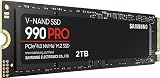
The Samsung 9100 PRO reads up to 14,700 MB/s and carries Samsung’s trusted reliability and mature firmware. Built for AI computing, gaming, and heavy workstations, it delivers consistent, dependable performance, making it a premium pick for users who want proven quality in a 1TB package.
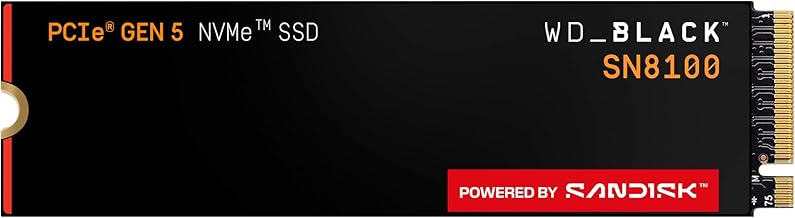
WD_Black SN8100 2TB
The WD_Black SN8100 is a top performer, hitting around 14,900 MB/s reads and 11,000 MB/s writes across a generous 2TB. WD aims it at AI applications, gaming, and video editing, and its balanced speed across workloads makes it one of the most well-rounded Gen 5 drives available.
Kingston FURY Renegade G5 2TB
The Kingston FURY Renegade G5 pushes toward 14,800 MB/s and targets gamers and enthusiasts with 2TB of high-speed storage. Kingston’s dependable support and aggressive performance make it a compelling flagship for demanding rigs and large libraries.
SABRENT Rocket 5 2TB
The SABRENT Rocket 5 delivers up to 14 GB/s across 2TB, offering excellent price-to-performance for creators handling big project files. Sabrent’s loyal following speaks to the brand’s value, and the Rocket 5 continues that reputation at the high end.
Crucial P510 1TB with Heatsink
The Crucial P510 is a more accessible Gen 5 option, delivering up to 11,000 MB/s writes with an included heatsink for cooler operation. Compatible with laptops and desktops, it is a smart pick for gamers and creatives who want Gen 5 speed without flagship pricing.
Frequently Asked Questions
Do I need a PCIe 5.0 SSD?
For pure gaming, Gen 4 is often sufficient. Gen 5 shines for DirectStorage titles, AI workloads, and heavy file transfers, and future-proofs your build.
Why do Gen 5 SSDs need heatsinks?
They generate significant heat and can throttle under sustained loads. A heatsink, whether from your board or included with the drive, maintains full speed.
Is 1TB or 2TB better?
1TB suits most gamers, while 2TB drives like the SN8100 and Rocket 5 offer more room and often sustain higher write speeds for demanding tasks.
Will it work in a Gen 4 slot?
Yes, but at reduced Gen 4 speeds. To hit advertised numbers, you need a motherboard with a genuine PCIe 5.0 M.2 slot.
Final Thoughts
The best PCIe 5.0 SSD depends on your workload and budget. The Samsung 9100 PRO is the reliability leader, the WD_Black SN8100 offers the best all-around performance with ample 2TB capacity, and the Crucial P510 makes Gen 5 more affordable. Pair the right drive with proper cooling and a Gen 5 slot to unlock blistering storage speeds.