Key takeaways
- Pro: Excellent 1440p and capable 4K performance with RDNA 4 architecture.
- Pro: Generous 16GB of VRAM future-proofs for high-resolution gaming.
- Pro: Strong value, often undercutting comparable NVIDIA cards.
- Pro: Modern PCIe 5.0 and DisplayPort 2.1 connectivity.
- Con: Ray tracing, while improved, still trails NVIDIA’s top-tier hardware.
- Con: Premium triple-fan models are large and need case clearance.
What's inside
AMD’s Radeon RX 9070 XT has emerged as one of the most compelling graphics cards of this generation, and it has genuinely rattled the mainstream market. Built on the RDNA 4 architecture with 16GB of GDDR6, it delivers strong 1440p and capable 4K gaming, generous VRAM, and pricing that undercuts comparable NVIDIA options. For gamers who want a lot of horsepower without paying flagship money, it deserves a serious look.
We reviewed the leading RX 9070 XT models from AMD’s board partners, weighing cooling, clocks, and build, to help you pick the right one. Here is our assessment of the card class and its standout variants.
As an Amazon Associate we earn from qualifying purchases at no extra cost to you. Product prices and availability are accurate as of the date shown and are subject to change.




🎮 Get More From Your Setup — Free
Prime Gaming gives you free PC games every month, in-game loot, and a free Twitch channel sub — plus fast free shipping on all the gear above. New members get a 30-day free trial.
Watch: Gpu 9070 Xt: Review & Buyer’s Guide — Video Review
Design & Build
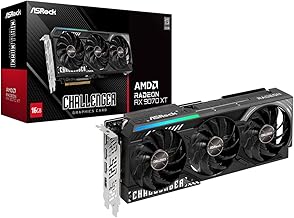
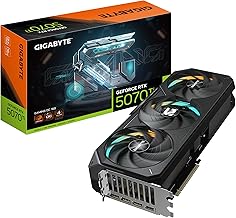
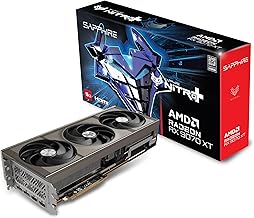
Board partners give the 9070 XT distinct personalities. The Sapphire Nitro+ and XFX Swift are premium triple-fan designs with robust cooling and refined aesthetics, aimed at builders who want quiet, cool operation under load. The ASUS Prime and GIGABYTE Gaming OC strike a balance of strong cooling and mainstream tower fit, while the ASRock Challenger and PowerColor Reaper offer excellent value with capable triple-fan coolers. All share PCIe 5.0 and modern DisplayPort 2.1 and HDMI 2.1 connectivity.
Performance
Performance is impressive across the board thanks to the shared RDNA 4 GPU and 16GB of GDDR6. Factory overclocks like the ASRock’s 2970 MHz boost yield modest gains, but every model excels at high-refresh 1440p gaming and handles 4K well, particularly with FSR upscaling enabled. That 16GB of memory is a real advantage for high-resolution textures and future titles. The main differences between cards come down to cooling efficiency, noise levels, physical size, and factory clock speeds rather than raw capability.
Pros & Cons
- Pro: Excellent 1440p and capable 4K performance with RDNA 4 architecture.
- Pro: Generous 16GB of VRAM future-proofs for high-resolution gaming.
- Pro: Strong value, often undercutting comparable NVIDIA cards.
- Pro: Modern PCIe 5.0 and DisplayPort 2.1 connectivity.
- Con: Ray tracing, while improved, still trails NVIDIA’s top-tier hardware.
- Con: Premium triple-fan models are large and need case clearance.
Alternatives to Consider
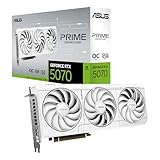
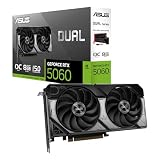
If ray tracing and DLSS are priorities, NVIDIA’s RTX 5070 or 5070 Ti are the natural cross-shops, though they often cost more for similar rasterization. Gamers on tighter budgets who play at 1080p can save with an RX 9060 or RTX 5060. And those chasing maximum 4K performance should look at higher-tier cards, accepting the significant price jump that comes with them.
Frequently Asked Questions
Is the RX 9070 XT good for 4K gaming?
Yes, it handles 4K well, especially with FSR upscaling enabled. It is primarily a high-refresh 1440p champion but has the VRAM and power for capable 4K play.
Which 9070 XT model should I buy?
Since the GPU is the same, choose based on cooling and size. Premium models like the Sapphire Nitro+ run quietest, while the PowerColor Reaper and ASRock Challenger offer strong value.
How does it compare to the RTX 5070?
The 9070 XT often leads in rasterization and offers more VRAM, while NVIDIA holds an edge in ray tracing and DLSS. Value shoppers frequently favor the AMD card.
Is 16GB of VRAM enough for future games?
Yes, 16GB is generous for current and upcoming titles at 1440p and 4K, giving it strong longevity for high-resolution textures.
Verdict
The Radeon RX 9070 XT is one of the best value graphics cards of its generation, and the ideal version depends on your build. The Sapphire Nitro+ and XFX Swift are the picks for premium cooling and quiet operation, while the PowerColor Reaper and ASRock Challenger deliver the same excellent performance at a friendlier price. Any of them is a superb 1440p and capable 4K gaming card.