Key takeaways
- Excellent value: strong 1440p and 4K raster performance, often cheaper than RTX rivals.
- Generous 16GB VRAM: ample memory for high-resolution textures.
- RDNA 4 efficiency: improved architecture over previous AMD generations.
- Varied designs: from compact Reaper to RGB Mercury options.
What's inside
AMD’s Radeon RX 9070 XT has reset expectations for what a mid-to-high-end graphics card can deliver, and the inevitable comparison is against Nvidia’s RTX competition. Built on the RDNA 4 architecture with 16GB of GDDR6, the 9070 XT targets high-refresh 1440p and capable 4K gaming, often undercutting comparable RTX cards on price while closing much of the historical gap in features.
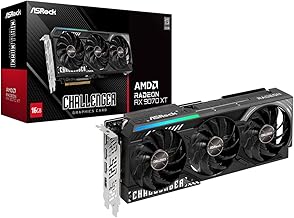
Rather than a single card, “9070 XT vs RTX” is really a question of which board partner design and value proposition suits you. In this review we compare popular 9070 XT variants, from the XFX Swift and Mercury to PowerColor Reaper, ASUS Prime, and GIGABYTE Gaming OC, and frame how they stack up against the RTX alternative.
As an Amazon Associate we earn from qualifying purchases at no extra cost to you. Product prices and availability are accurate as of the date shown and are subject to change.



🎮 Get More From Your Setup — Free
Prime Gaming gives you free PC games every month, in-game loot, and a free Twitch channel sub — plus fast free shipping on all the gear above. New members get a 30-day free trial.
Watch: 9070xt Comparison Rtx: Review & Buyer’s Guide — Video Review
Design & Build
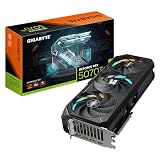
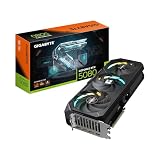
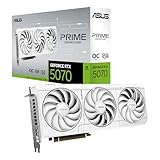
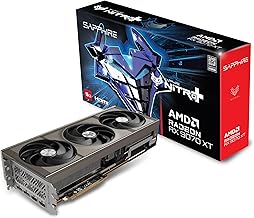
The 9070 XT comes in a range of cooler designs. The XFX Swift uses a triple-fan gaming edition shroud, while the XFX Mercury variants add RGB and magnetic air cooling for showcase builds. The PowerColor Reaper takes a more compact, no-nonsense approach, and the ASUS Prime OC brings axial-tech fans, ball bearings, and dual BIOS in a 2.5-slot design. The GIGABYTE Gaming OC rounds out the group with WINDFORCE cooling. Compared to typical RTX partner cards, these 9070 XT designs are competitive in size and build quality, so the choice comes down to aesthetics, cooling preference, and case clearance.
Performance
The core comparison is compelling. The 9070 XT’s 16GB of GDDR6 and RDNA 4 architecture deliver strong 1440p and entry-4K rasterization performance that trades blows with Nvidia’s mid-high RTX cards, frequently at a lower price. Where Nvidia traditionally leads is ray tracing and DLSS 4 upscaling maturity, though AMD’s FSR has narrowed that gap considerably. All these 9070 XT variants share the same GPU, so performance differences between the XFX, PowerColor, ASUS, and GIGABYTE models are minor, driven mostly by factory clocks and cooling. For raster-focused gamers, the 9070 XT is an outstanding value; RTX still appeals if ray tracing and DLSS are priorities.
Pros & Cons
- Excellent value: strong 1440p and 4K raster performance, often cheaper than RTX rivals.
- Generous 16GB VRAM: ample memory for high-resolution textures.
- RDNA 4 efficiency: improved architecture over previous AMD generations.
- Varied designs: from compact Reaper to RGB Mercury options.
- Ray tracing trails RTX: Nvidia still leads in RT-heavy titles.
- Upscaling maturity: DLSS 4 remains ahead of FSR in some scenarios.
- Minimal inter-model differences: partner cards vary mostly in cooling and looks.
Alternatives to Consider
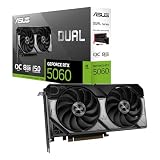
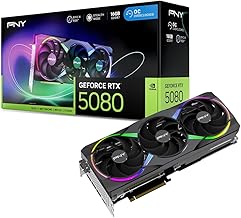
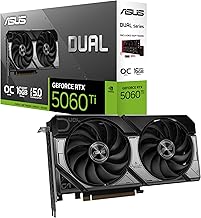
If ray tracing and DLSS 4 top your priority list, an RTX 5070 Ti with 16GB is the direct Nvidia counterpart worth comparing on current pricing. For pure 1440p raster value, the 9070 XT is hard to beat, but budget-focused players might look at the standard RTX 5070 or a lower AMD tier. Compare live prices, since the value equation shifts with sales.
Frequently Asked Questions
Is the RX 9070 XT better than an RTX card?
For raster performance per dollar, the 9070 XT often wins. Nvidia’s RTX cards lead in ray tracing and DLSS 4 upscaling. Your ideal choice depends on which matters more to you.
Does the 9070 XT handle 4K gaming?
Yes, it manages entry-level 4K and excels at high-refresh 1440p, with its 16GB of VRAM providing headroom for high-resolution textures.
Which 9070 XT model should I buy?
Since they share the same GPU, pick based on cooling, size, and aesthetics. The ASUS Prime and XFX Swift are solid all-rounders; the Mercury adds RGB flair.
How does FSR compare to DLSS?
AMD’s FSR has improved significantly and is competitive in many titles, though Nvidia’s DLSS 4 still holds an edge in certain scenarios. Both boost frame rates effectively.
Verdict
In the 9070 XT versus RTX comparison, AMD’s card is the standout value for raster-focused 1440p and entry-4K gaming, frequently undercutting comparable Nvidia cards. If ray tracing and DLSS 4 are central to your experience, an RTX 5070 Ti is the counterargument. Among 9070 XT models, the ASUS Prime and XFX Swift are excellent all-rounders. Weigh raster value against RT and upscaling features, then buy on current pricing.