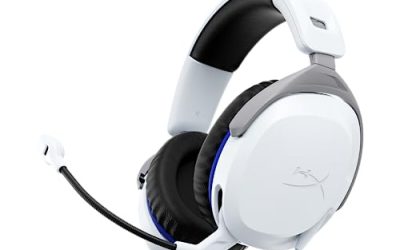
Key takeaways
- Find the best headsets under 70 dollars for gaming, calls and everyday listening, with comfort, sound, microphone and connection checks before you buy.
As an Amazon Associate we earn from qualifying purchases.
Finding the best headsets under 70 dollars is less about chasing the lowest price and more about avoiding the compromises that actually spoil everyday use. A headset in this range can sound clear, feel comfortable for long sessions, and carry a microphone that other people can understand, provided you choose the right balance of sound, comfort, connection, and build quality. The wrong choice, by contrast, can pinch after an hour, hiss on calls, or lose its connection at the worst moment in a game.
This guide explains what a budget in this range realistically buys, how to compare headsets without being misled by marketing language, and which trade-offs are worth accepting. It covers wired and wireless models, gaming and general use, microphone quality, comfort, durability, and the simple checks that help you buy once and buy well.
What Under 70 Dollars Realistically Buys
A headset under 70 dollars sits in the middle of the budget market. It is above the cheapest models, where thin ear cushions, weak hinges, and muddy microphones are common, and below premium models, where you pay extra for advanced noise cancelling, high-end wireless features, and luxury materials. In this middle range, manufacturers usually have enough room in the budget to include decent drivers, a usable microphone, and a frame that survives regular use.
You can reasonably expect clear stereo sound for games, music, and video calls. You can expect a microphone that sounds natural enough for teammates and colleagues to follow your words without constant repetition. You can also expect comfortable ear cushions, a headband that distributes weight, and a cable or wireless connection that works reliably with a PC, console, or phone, depending on the model.
What you should not expect is perfection in every area at once. A model that emphasises deep bass may sacrifice vocal clarity. A model with a long wireless battery life may use lighter plastic to keep the weight down. A model with a detachable microphone and a premium-feeling frame may use a shorter cable or fewer controls. The skill in shopping at this price is not finding a headset with no weaknesses. It is finding one whose weaknesses do not matter for the way you will actually use it.
How to Choose: Sound First, Then Comfort
Sound quality is the first thing to judge, but it is also the easiest area to misunderstand. Headset boxes often advertise large drivers, virtual surround sound, and dramatic bass, yet none of those phrases guarantees that voices, footsteps, and music will sound balanced in real use. A larger driver can move more air, but tuning matters more than size alone. A well-tuned 40-millimetre driver can sound clearer than a poorly tuned 50-millimetre driver, especially for speech and fine detail.
Listen, in reviews and in your own testing where possible, for three qualities. First, clarity: can you hear dialogue and quiet sounds without turning the volume up so far that loud sounds become harsh? Second, balance: does bass support music and game effects without drowning out voices? Third, separation: can you tell sounds apart when several things happen at once, such as footsteps, gunfire, music, and a teammate speaking?
Virtual surround sound deserves a careful look. Some games and applications already provide their own spatial audio, and adding another layer of virtual processing can make the sound feel wider but less precise. Stereo, when done well, is often enough for competitive play and for music. If a headset offers surround sound, check whether you can turn it off easily. A simple switch or software toggle is more useful than a feature you cannot disable.
Comfort comes next, and for many buyers it matters more than a small difference in sound. A headset that hurts after an hour will sit unused, no matter how good it sounds. Pay attention to weight, clamping force, ear cushion material, and headband padding. Lighter headsets are usually easier to wear for long sessions, but a very light frame can also feel flimsy if the hinges are weak.
Ear cushion shape matters too. Over-ear cushions that fully surround the ear usually distribute pressure better than on-ear pads that press directly on the ear. Leatherette cushions can seal well and help bass response, but they can also trap heat during long sessions. Fabric or mesh cushions breathe better, although they may let in more outside sound. Neither material is universally better. The right choice depends on whether you play in a warm room, wear glasses, or need isolation from household noise.
If you wear glasses, clamping force is especially important. Look for softer cushions, a flexible headband, and a design that leaves a little room around the temples.
The Microphone Matters More Than Most Buyers Expect
Many buyers focus on speakers and treat the microphone as an afterthought, then discover that teammates cannot hear them clearly. A good microphone at this price does not need to sound like a studio microphone, but it should capture speech clearly, keep background noise under control, and stay in a stable position near your mouth.
A boom microphone that can be positioned close to your mouth usually performs better than a microphone built into an ear cup. It picks up more of your voice and less of the room. A detachable boom is useful if you also want to use the headset for music on the move, although detachable parts can be lost if you travel with them often. A flip-to-mute boom is a practical feature because it gives you a physical, obvious way to mute yourself without searching for a button.
Microphone monitoring, sometimes called sidetone, is another useful feature. It lets you hear a little of your own voice in the ear cups, which helps you avoid speaking too loudly or too quietly. Not every budget headset offers it, and its absence is not a deal breaker, but it is a welcome bonus for long calls and team play.
Noise handling is worth checking in real-world terms. A microphone may sound excellent in a quiet room and still struggle beside a mechanical keyboard, a fan, or a television. Look for reviews that test the microphone with background noise, not only in silence. Software noise suppression can help, but it cannot fully rescue a microphone that picks up every sound in the room.
Wired, Wireless, or Both
Connection type is one of the biggest decisions under 70 dollars, and each option has a clear trade-off.
Wired headsets are usually the safest choice for gaming at this price. A wired connection avoids wireless interference, removes battery anxiety, and often delivers the best sound for the money because the manufacturer does not need to spend part of the budget on a battery and wireless radio. A standard 3.5-millimetre connection works with many PCs, consoles, and phones, although some devices need a splitter for separate headphone and microphone jacks. A USB connection can offer built-in controls and sometimes digital audio processing, but it may not work with every console or mobile device.
Wireless headsets offer freedom of movement, which is valuable if you stand up, move around a room, or dislike cables. At this price, however, wireless models often make a compromise somewhere else, such as a shorter battery life, a heavier frame, or slightly less refined sound. Battery life also varies widely. A headset that lasts a full working day on one charge is far more convenient than one that needs charging every evening, especially if you forget to plug it in.
Some headsets offer both wired and wireless modes. That flexibility is useful, but check the details carefully. A wireless headset may only work in wired mode as a passive headphone, with the microphone disabled, or it may need a cable that is not included. A model that works fully in both modes is more versatile, particularly if you switch between a PC, a console, and a phone.
Latency is another consideration for gaming. Wired connections have effectively no delay. Good wireless headsets designed for gaming use a dedicated USB dongle to keep delay low. Bluetooth alone can introduce noticeable delay in fast games, although it is usually fine for music, video, and calls. If you play competitive games, a wired connection or a dedicated wireless dongle is the safer choice.
Gaming Headsets Versus Everyday Headsets
Gaming headsets and everyday headsets are designed for different priorities, even when they look similar. Gaming models usually emphasise clear footsteps, strong bass for explosions, a prominent boom microphone, and controls that are easy to reach during play. Everyday headsets often emphasise music, call clarity, portability, and a more discreet appearance.
Neither type is better in every situation. A gaming headset can work well for calls, but its large ear cups and boom microphone may feel bulky in an office or on a train. An everyday headset can work well for casual games, but it may not give you the same positional detail or microphone performance in a competitive match. Decide which use matters most, then choose a design that serves that use first.
Closed-back ear cups are common in both categories. They block outside sound and keep your audio private, which helps in shared rooms. Open-back designs can sound more spacious, but they leak sound and let in more noise, so they are less practical for most budget buyers who share a home or office. For most people shopping under 70 dollars, a closed-back design is the more versatile choice.
Controls also deserve attention. Volume wheels, mute buttons, and microphone controls should be easy to find by touch. A control placed awkwardly on a cable can be hard to reach during a game, while a small button hidden behind an ear cup can be easy to press by accident. Simple, well-placed controls are better than a long list of features you cannot use quickly.
Build Quality and Durability
Durability is often where budget headsets differ most. Two headsets can sound similar on the first day, yet one can last for years while the other develops a loose hinge, a frayed cable, or a crackling ear cup within months. The materials and joints matter more than the appearance.
Look for a headband with a metal core or reinforced plastic, ear cups that rotate without feeling loose, and a cable that is thick enough to resist kinks. Braided cables can resist tangling, although they can also transmit more noise if they rub against clothing. Detachable cables are useful because a damaged cable can be replaced without replacing the whole headset. If the cable is fixed, check the strain relief where it enters the ear cup, because that is a common failure point.
Ear cushions are wear items. They will eventually flatten or peel, especially with daily use. Replaceable cushions extend the life of a headset considerably, so check whether replacements are available and easy to fit. A headset with replaceable cushions and a detachable cable is often a better long-term buy than a slightly better-sounding model with no replaceable parts.
Comparison Table
Use this table to compare the main choices before you buy. It focuses on the features that affect daily use, rather than marketing claims.
| Use case | Best connection | Priority features | Common trade-off |
|---|---|---|---|
| Competitive gaming on PC | Wired or dedicated wireless dongle | Clear footsteps, stable microphone, comfort | Less portable, plainer design |
| Console gaming | Wired or console-compatible wireless | Easy controls, clear voice chat, durable cable | Fewer PC software features |
| Work calls and meetings | Wired USB or Bluetooth | Clear microphone, all-day comfort, reliable mute | Less bass emphasis for music |
| Music and everyday listening | Wired or Bluetooth | Balanced sound, comfortable fit, portable design | Weaker gaming microphone |
| Shared room or travel | Wired closed-back | Good isolation, foldable frame, detachable cable | Smaller soundstage |
Common Mistakes to Avoid
The most common mistake is buying for one impressive feature and ignoring the basics. A headset with spectacular bass is not a good buy if its microphone is unclear or its headband hurts after an hour. A headset with a long battery life is not a good buy if it drops its wireless connection or sounds muffled. Start with comfort, sound balance, and microphone clarity, then treat extra features as bonuses.
Another mistake is assuming that a higher price within the budget always means better quality. A headset near the top of this range may spend its extra budget on wireless features, lighting, or software rather than on better drivers or a stronger frame. A simpler wired model can sometimes outperform a more expensive wireless model for pure sound and microphone quality.
Ignoring compatibility is another frequent problem. A headset that works perfectly on a PC may need an adapter on a console, or may lose microphone support on a phone. Before you buy, check the connection type, the length of the cable, whether a splitter is included, and whether the headset works with the devices you actually own. A short cable can be frustrating on a desktop PC, while a long cable can tangle on a laptop.
Finally, do not overlook the return policy. Comfort and sound are personal, and even careful research cannot guarantee that a headset will fit your head or suit your ears. A retailer with a straightforward return window lets you test the headset in your own room, with your own games and calls, rather than guessing from a shop display.
Frequently Asked Questions
Are headsets under 70 dollars good enough for gaming?
Yes, for most players they are. A headset in this range can provide clear stereo sound, reliable positional cues, and a microphone that teammates can understand. You may not get premium wireless features or advanced noise cancelling, but the core gaming experience can be strong. The key is to prioritise comfort, microphone clarity, and balanced sound over decorative features.
Should I choose wired or wireless under 70 dollars?
Wired is usually the better value for gaming, because it avoids battery concerns and wireless delay while leaving more of the budget for sound and build quality. Wireless is better if you move around often or dislike cables, but check battery life, connection stability, and whether the headset still works fully when wired. A model that offers both modes gives you the most flexibility.
How important is virtual surround sound?
It is less important than clear stereo sound. Many games already provide spatial audio, and good stereo headphones can reveal direction and distance well. Virtual surround can make sound feel wider, but it can also blur fine detail. If a headset offers it, make sure you can switch it off and compare the two modes yourself.
What should I check if I wear glasses?
Look for soft ear cushions, a flexible headband, and moderate clamping force. Over-ear cushions that leave room around the temples are usually more comfortable than tight on-ear pads. If possible, test the headset while wearing your glasses for at least half an hour, because pressure that feels minor at first can become painful over time.
How long should a budget headset last?
With regular use and reasonable care, a well-built headset in this range should last several years. Replaceable ear cushions and a detachable cable help considerably, because those are the parts most likely to wear out first. A headset with weak hinges or a fixed, thin cable is more likely to fail early, even if it sounds good when new.
Conclusion
The best headsets under 70 dollars are not the ones with the longest feature list. They are the ones that get the fundamentals right: clear, balanced sound, a microphone that other people can understand, a comfortable fit for long sessions, and a build that survives daily use. Wired models usually offer the best value for gaming, while wireless models offer freedom if you are willing to accept a trade-off elsewhere.
Before you buy, decide how you will use the headset most, check compatibility with your devices, and test comfort and microphone quality in real use where possible. A careful choice at this price can serve you well for games, calls, music, and everyday listening without the need to spend more.
FAQ
Are headsets under 70 dollars good enough for gaming?
Should I choose wired or wireless under 70 dollars?
How important is virtual surround sound?
What should I check if I wear glasses?
How long should a budget headset last?
More from Amazon
Programs that pair well with the guide above. Offers and eligibility are set by Amazon and may change.
Free shipping on eligible items, Prime Video and more. Eligible new members can start with a free trial.
Start a Prime free trialAd-free music streaming. Eligible new subscribers can start with a free trial.
Try Music Unlimited freeA Prime membership for ages 18-24 with a trial period. Eligibility is set by Amazon.
See Prime for Young AdultsAudiobooks and podcasts to listen to on the go. Eligible new members can start with a free trial.
Try Audible freeAs an Amazon Associate we earn from qualifying purchases.