Our Top Picks
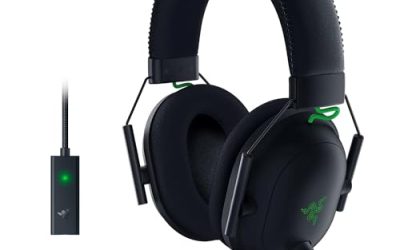
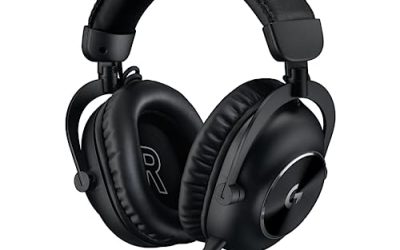
 Razer BlackShark V2 Pro Wireless Gaming HeadsetStandard6.47 x 3.9 x 7.5 inches0.73 poundsCheck on Amazon
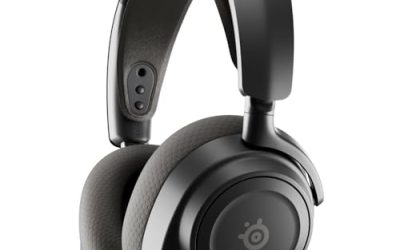
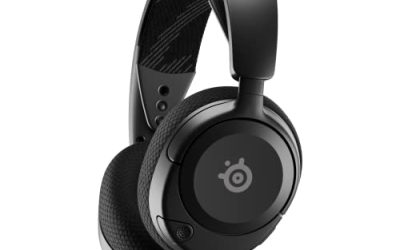
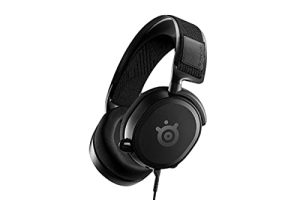
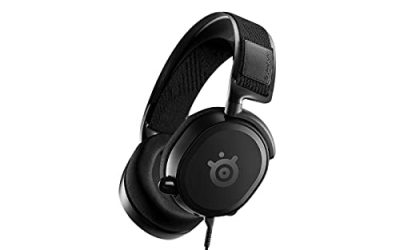
 SteelSeries Arctis Nova 5 Wireless Multi-System Gaming HeadsetOne Size7.32 x 6.87 x 3.52 inches0.6 poundsCheck on Amazon
Valorant rounds are often decided by sound before anyone is seen: a footstep on metal, a reload behind a wall, a plant starting on the far site. A headset for this game therefore lives or dies on cue clarity — how precisely it images quiet sounds and how cleanly your own callouts reach your team. The four headsets below were chosen for competitive play specifically, not general gaming: FPS-tuned profiles, angled or wide-stage drivers, serious microphones and connections that add no meaningful delay.
Three are wireless models for players who hate cables and move between PC and console, and one is a wired open-back headset for quiet-room purists who prize staging over isolation. Shot-callers should weigh the microphone sections heavily; solo-queue players who rely on their own ears should weigh imaging first. Every pick below was selected from its product page details — driver design, microphone type, preset support and battery figures — rather than from brand reputation.
Quick Picks
As an Amazon Associate we earn from qualifying purchases.
| Product | Best for | Key spec from title |
|---|---|---|
| Razer BlackShark V2 Pro (2023) | Ranked players who want ready-made FPS tuning | Pro-tuned FPS profiles, 50mm drivers |
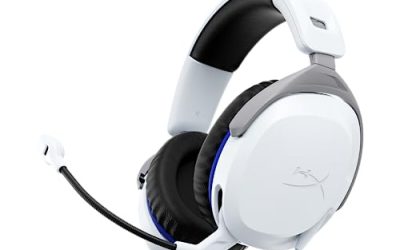
| HyperX Cloud III Wireless | Long sessions with clean default imaging | 53mm angled drivers, 120-hour battery |
| SteelSeries Arctis Nova 5 Wireless | Players who tweak EQ per game | 100+ audio presets, 60-hour battery |
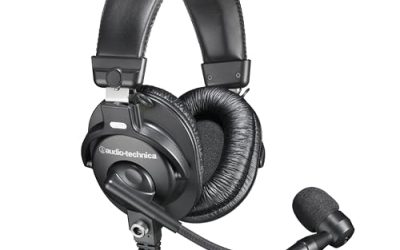
| EPOS H6Pro Open | Quiet-room players who prefer open staging | Open-back wired design, detachable boom mic |
How to Choose
Imaging and Footstep Clarity
Valorant’s audio is stereo at its core, and the game offers its own HRTF setting, so a headset’s job is to deliver a clean, well-separated image rather than process the sound further. Larger drivers and angled driver housings, like the 53mm angled units in the Cloud III Wireless, help place footsteps by height and direction. Open-back designs widen the stage further but leak sound both ways. Whatever the model, turn off heavy virtual surround while you learn it: layered processing smears the small positional cues ranked play depends on.
EQ Profiles and Tuning Control
Not every player wants to build an equaliser curve from scratch. Headsets with ready-made FPS profiles, such as the BlackShark V2 Pro’s pro-tuned settings, lift the footstep and reload bands out of the box, while app-driven preset libraries like the Nova 5’s let you swap profiles per game from your phone. The trade-off is dependence on software staying updated. If you prefer a fixed, predictable sound you can learn once, a headset with strong default imaging and no mandatory app may serve you better than one with a hundred presets.
Microphone Quality for Callouts
In ranked Valorant, your microphone is a team tool: a muffled callout arrives too late to act on. Look for larger microphone capsules and wideband capture, which carry more of your voice’s detail — the BlackShark’s 9.9mm Super Wideband mic and the Cloud III Wireless’s 10mm detachable mic both follow that pattern. Noise cancelling matters if your room has a fan, keyboard or family noise. Detachable and retractable designs keep the mic out of the way for other games, and a visible mute indicator prevents the classic muted-callout round loss.
Connection Type and Battery Endurance
For competitive play the connection must add no perceptible delay: 2.4GHz wireless dongles and plain wired 3.5mm both qualify, while Bluetooth alone is best kept for casual modes and second devices. Battery figures decide how often a wireless headset interrupts your week — the picks here range from 60 to 120 hours, with fast charging on the Nova 5 softening shorter turnarounds. Wired models like the H6Pro remove charging entirely but tie you to the desk. Match the choice to your setup: multi-device players benefit from Bluetooth as a second link, desk-only players may not need it.
The 4 Best Options
Razer BlackShark V2 Pro Wireless (2023)
Razer built the 2023 BlackShark V2 Pro around competitive shooters, and it shows in the details that matter on a Valorant site. Its pro-tuned FPS audio profiles are set up to push footsteps, reloads and ability cues forward in the mix, so directional information arrives before you have to hunt for it. The TriForce Titanium 50mm drivers keep that imaging clean, while the detachable HyperClear Super Wideband microphone captures a wider slice of your voice for callouts. Add HyperSpeed wireless, Bluetooth 5.2 and a 70-hour battery, and it suits players who queue ranked daily and rarely want to think about charging or cables.
Specs
- Drivers: Razer TriForce Titanium 50mm
- Microphone: detachable HyperClear Super Wideband (9.9mm)
- Audio profiles: pro-tuned FPS audio profiles
- Connection: HyperSpeed 2.4GHz wireless, Bluetooth 5.2
- Battery life: up to 70 hours
- Earcups: noise-isolating with ultra-soft memory foam
- Model: RZ04-04530100-R3U1
Best for: Ranked players who want FPS-tuned profiles and a wideband callout mic out of the box.
Watch out for: Make sure you are looking at the 2023 edition listing — the older 2020 model looks similar but carries different audio hardware, so check the model number RZ04-04530100-R3U1 before ordering.
ASIN: B0BY1FXC9N
HyperX Cloud III Wireless

The Cloud III Wireless leans on driver geometry rather than software tricks. Its 53mm drivers are angled to fire sound more naturally into the ear, which helps Valorant’s stereo image place footsteps above, below and around you with less guesswork. DTS spatial audio is on board if you want it, but the clean default imaging is the real draw for ranked play. A detachable 10mm noise-cancelling microphone keeps callouts clear, the aluminum frame shrugs off daily handling, and the battery is rated for up to 120 hours, so charging becomes a monthly chore instead of a nightly one.
Specs
- Drivers: 53mm angled drivers
- Battery life: up to 120 hours over 2.4GHz wireless
- Audio: DTS spatial audio
- Microphone: detachable 10mm noise-cancelling, LED mute indicator
- Cushions: memory foam
- Frame: aluminum
- Compatibility: PC, PS5, PS4
- Model: 77Z46AA
Best for: Players who run long sessions and want imaging that works without software surround.
Watch out for: This is the wireless model — the wired Cloud III and the newer Cloud III S are different products with different listings, so confirm the listing says Cloud III Wireless before ordering.
ASIN: B0CBQXGZ85
SteelSeries Arctis Nova 5 Wireless
The Arctis Nova 5 is the pick for players who like to tune rather than accept a default sound. SteelSeries loads the Arctis Companion App with more than 100 game audio presets, including shooter profiles you can apply and adjust from your phone mid-session, so lifting footstep frequencies for Valorant takes seconds. Neodymium magnetic drivers handle the imaging, the retractable ClearCast Gen2.X microphone uses AI noise cancelling to keep a desk fan out of your comms, and Quick-Switch jumps between 2.4GHz and Bluetooth without re-pairing. Battery life runs to 60 hours, with fast charging for short turnarounds between queues.
Specs
- Drivers: Neodymium magnetic drivers
- Presets: 100+ game audio presets via the Arctis Companion App
- Battery life: up to 60 hours, fast charge
- Connection: 2.4GHz or Bluetooth with Quick-Switch
- Microphone: ClearCast Gen2.X retractable, AI noise cancelling
- Compatibility: PC, PS5, PS4, Switch, mobile
- Model: 61670
Best for: Tinkerers who adjust EQ per game from a phone app.
Watch out for: Colour and platform variants carry separate listings — confirm the black PC and PlayStation version (model 61670) rather than the Xbox 5X variant or a renewed unit.
ASIN: B0D2YBQQ1P
EPOS H6Pro Open Acoustic

The H6Pro Open is the deliberate odd one out: a wired, open-back headset in a field of wireless closed models. That open acoustic design widens the soundstage, which many competitive players find makes footsteps and utility sounds easier to place by direction and distance in a quiet room. The 3.5mm connection means zero wireless latency and no battery to manage, the boom microphone detaches on a magnetic mount and mutes when lifted, and the ear pads are replaceable when they wear. It is a focused tool for a quiet desk, not an all-rounder for noisy shared spaces.
Specs
- Design: open acoustic (open-back)
- Connection: wired 3.5mm
- Microphone: detachable magnetic boom arm, lift-to-mute
- Ear pads: replaceable
- Compatibility: PC/Windows, PS4/PS5, Xbox
- Model: 1000934
Best for: Quiet-room players who prefer open-back staging and a zero-latency wired link.
Watch out for: EPOS has wound down its gaming headset line, so stock is thinning and availability signals conflict — confirm a live featured offer for this exact ASIN before ordering, and make sure you are not looking at the closed-back version instead.
ASIN: B09FPCVHVN
Which One Fits Your Situation
You Play Ranked in a Quiet Room
If your desk sits in a quiet space where leaked sound bothers nobody, the EPOS H6Pro Open gives you the widest staging in this group and a wired link with nothing to charge. Its open design is exactly why it fails in shared rooms, though — if anyone sits nearby, the BlackShark V2 Pro’s isolating earcups deliver competitive imaging without broadcasting your game to the household.
You Queue for Hours at a Time
Marathon sessions punish headsets that need nightly charging. The HyperX Cloud III Wireless is rated for up to 120 hours, so it can run for weeks of evening queues between charges, and its angled drivers keep footstep imaging consistent without any app running. If your sessions are shorter but your turnaround between activities is tight, the Nova 5’s 60-hour battery and fast charging cover most weeks comfortably.
You Shot-Call for Your Team
If you are the voice calling rotations and executes, prioritise the microphone. The Razer BlackShark V2 Pro’s detachable Super Wideband mic captures a wider frequency range than typical headset mics, and its FPS profiles keep your own cues clear while you talk. The Cloud III Wireless runs a close second with its 10mm noise-cancelling mic, which suits players whose rooms are noisier but whose calls still need to land cleanly.
You Split Time Between PC and Console
Players who move between a PC and a PlayStation should look at the Nova 5 or the BlackShark V2 Pro. The Nova 5’s Quick-Switch hops between its 2.4GHz link and Bluetooth without re-pairing, and its preset library travels with the app. The BlackShark pairs HyperSpeed wireless with Bluetooth 5.2 for the same flexibility. The H6Pro also works on console controllers through its 3.5mm cable, if you accept being wired.
Common Mistakes
- Stacking virtual surround on top of Valorant’s own HRTF setting, which double-processes the audio and blurs the footstep positions you are trying to learn.
- Buying the older 2020 BlackShark V2 Pro by mistake — the 2023 edition is a different product with different drivers, microphone and battery, so check the edition and model number on the listing.
- Confusing the Cloud III Wireless with the wired Cloud III or the newer Cloud III S; all three are separate products with separate listings.
- Choosing an open-back headset for a noisy or shared room, where leaked sound and outside noise erase the imaging advantage.
- Judging a headset by driver size alone and ignoring the microphone, then wondering why teammates keep asking for callouts to be repeated.
Frequently Asked Questions
Is 2.4GHz wireless fast enough for Valorant, or should I go wired?
For ranked play, a 2.4GHz dongle connection is effectively instant at the distances a desk setup involves, and every wireless pick here uses one for its primary link. Wired still removes the question entirely and never needs charging, which is why the H6Pro remains in this group. Bluetooth is the connection to avoid for matches; keep it for a phone or casual play.
Should I turn on Valorant’s HRTF with these headsets?
Yes for most players: HRTF is designed for stereo headphones, and these headsets present a clean stereo image for it to work with. Enable HRTF in the game’s audio settings, set the headset itself to plain stereo, and disable any extra virtual surround in companion software. Give it several matches — height cues in particular take a little practice to read.
Is open-back or closed-back better for Valorant?
Neither wins outright. Open-back designs like the H6Pro stage sound wider, which helps judge distance in a quiet room, but they leak audio and let room noise in. Closed, isolating models like the BlackShark keep outside noise out and your game private, which suits shared spaces. Pick based on your room first and sound preference second.
Do the preset libraries actually help, or is it marketing?
They help if you use them as a starting point. A shooter preset typically lifts the frequency bands where footsteps and reloads sit, saving you from building that curve by ear. The Nova 5’s app makes swapping profiles quick, and the BlackShark’s pro-tuned FPS profiles need no fiddling. What presets cannot fix is poor base imaging, so treat them as tuning, not a substitute for a good driver.
FAQ
Is 2.4GHz wireless fast enough for Valorant, or should I go wired?
Should I turn on Valorant’s HRTF with these headsets?
Is open-back or closed-back better for Valorant?
Do the preset libraries actually help, or is it marketing?
More from Amazon
Programs that pair well with the guide above. Offers and eligibility are set by Amazon and may change.
Free shipping on eligible items, Prime Video and more. Eligible new members can start with a free trial.
Start a Prime free trialAd-free music streaming. Eligible new subscribers can start with a free trial.
Try Music Unlimited freeA Prime membership for ages 18-24 with a trial period. Eligibility is set by Amazon.
See Prime for Young AdultsAudiobooks and podcasts to listen to on the go. Eligible new members can start with a free trial.
Try Audible freeAs an Amazon Associate we earn from qualifying purchases.