Key takeaways
- Deep control: VLANs, firewall rules, VPN, and QoS for a network that behaves.
- Load balancing: gateways like the ER707-M2 combine multiple WANs for reliability.
- Future-ready speeds: WiFi 7 and multi-gig ports on the Nighthawk models.
- Scalable: Omada SDN and mesh options grow with your network.
What's inside
A managed router is the piece of networking gear that separates a home network you fight with from one you actually control. Unlike a plug-and-forget box from your ISP, a managed router exposes the settings that matter: VLANs, firewall rules, VPN tunnels, load balancing, and traffic prioritization. For gamers, remote workers, and anyone running a busy multi-device household, that control translates directly into lower latency and fewer mystery slowdowns.
The term covers a spectrum, from prosumer wired VPN routers like the TP-Link ER605 to full WiFi 7 powerhouses like the NETGEAR Nighthawk RS600. I tested across that range to explain what “managed” really buys you and which device fits which kind of network. Here’s the practical guide.
As an Amazon Associate we earn from qualifying purchases at no extra cost to you. Product prices and availability are accurate as of the date shown and are subject to change.


🎮 Get More From Your Setup — Free
Prime Gaming gives you free PC games every month, in-game loot, and a free Twitch channel sub — plus fast free shipping on all the gear above. New members get a 30-day free trial.
Watch: Managed Router: Review & Buyer’s Guide — Video Review
Design & Build
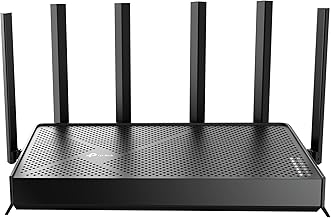
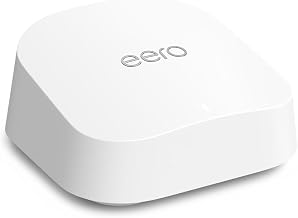
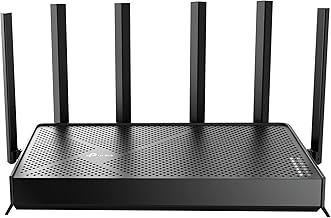
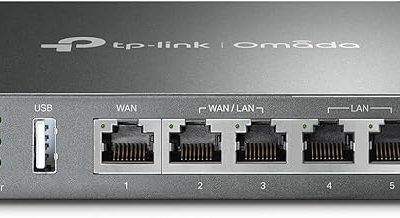
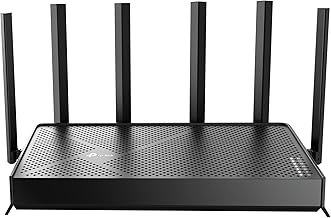
Managed routers split into two camps. Wired gateway routers like the TP-Link ER605 V2 and the multi-gig Omada ER707-M2 are compact metal boxes built to sit in a rack or closet and hand off to separate access points, with features like SPI firewall, load balancing across multiple WANs, and Omada SDN cloud management. The all-in-one wireless side, led by the NETGEAR Nighthawk RS600 and RS140, packs tri- or dual-band WiFi 7 into a sculpted chassis with multi-gig internet ports. Build quality across these is a clear tier above throwaway ISP hardware.
Performance
This is where management pays off. The Omada and TP-Link gateways let you balance two internet connections, carve out VPN access, and apply firewall rules that keep a household of devices orderly, which is invaluable for anyone working from home or self-hosting. On the wireless side, the WiFi 7 Nighthawk RS600 delivers enormous BE18000 throughput with a 10-gig port and coverage for large homes and 150-plus devices, while the RS140 offers a more affordable BE5000 WiFi 7 experience. Even the value-focused Tenda AX3000 WiFi 6 brings built-in VPN and mesh support to a budget tier. For gaming, the ability to prioritize traffic and cut buffer-bloat is the real prize.
Pros & Cons
- Deep control: VLANs, firewall rules, VPN, and QoS for a network that behaves.
- Load balancing: gateways like the ER707-M2 combine multiple WANs for reliability.
- Future-ready speeds: WiFi 7 and multi-gig ports on the Nighthawk models.
- Scalable: Omada SDN and mesh options grow with your network.
- Steeper learning curve: the settings that empower you also demand setup time.
- Higher cost: prosumer features carry a premium over basic routers.
Alternatives to Consider
If you want managed features without a separate access point, the all-in-one NETGEAR Nighthawk RS140 is a great WiFi 7 middle ground. Budget-conscious buyers who still want VPN and mesh should look at the Tenda AX3000 (RX12 Pro), and anyone who just needs a smart managed switch to expand ports can add the NETGEAR GS308E alongside their existing router.
Frequently Asked Questions
Do I need networking knowledge to use one?
For basic use, no; most ship with sensible defaults. To unlock VLANs, firewall rules, and load balancing you’ll need to spend time learning the interface, though cloud-managed systems like Omada simplify the process considerably.
Will a managed router improve my gaming?
Yes, indirectly. Traffic prioritization (QoS) and reduced buffer-bloat keep your latency stable when others in the house are streaming or downloading, which is where most gaming lag spikes actually come from.
Wired gateway or all-in-one WiFi router?
Choose a wired gateway plus access points for maximum control and reliability in larger or self-hosted setups. Pick an all-in-one WiFi 7 router like the Nighthawk if you want managed features with minimal hardware.
Is WiFi 7 worth it right now?
If you have many devices or multi-gig internet, yes. WiFi 7 boards like the RS600 offer huge capacity and futureproofing. For a modest household on slower internet, a WiFi 6 model still delivers excellent value.
Verdict
A managed router is the upgrade that quietly fixes a dozen small network frustrations. For most enthusiasts I’d point to the NETGEAR Nighthawk RS600 for a powerful all-in-one WiFi 7 experience, or the TP-Link ER605 and Omada ER707-M2 for those building a controlled, gateway-plus-access-point setup. Budget networks are well served by the Tenda AX3000. Match the device to your appetite for control, and your whole network gets more reliable.