Key takeaways
- Cutting-edge speed: Wi-Fi 7 with multi-link operation and wide channels.
- High device capacity: Handles dozens of connected devices without slowdown.
- Fast wired ports: 2.5G and even 10G ports on premium models.
- Mesh and security features: EasyMesh expansion, VPN, and HomeShield protection.
What's inside
Wi-Fi 7 is the newest wireless standard, and it brings dramatic improvements in speed, capacity, and latency that gamers and heavy streamers will love. With multi-link operation, wider channels, and support for gigabit internet plans, a Wi-Fi 7 router future-proofs your home network and keeps every device running smoothly, even under heavy load.
In this review we look at a lineup of Wi-Fi 7 routers from Amazon eero and TP-Link, spanning dual-band mesh systems and powerful tri-band flagships. We break down design, performance, and value so you can pick the right router for your home, whether you need whole-home mesh coverage or a single high-throughput powerhouse.
As an Amazon Associate we earn from qualifying purchases.





🎮 Get More From Your Setup — Free
Prime Gaming gives you free PC games every month, in-game loot, and a free Twitch channel sub — plus fast free shipping on all the gear above. New members get a 30-day free trial.
Watch: Wifi 7 Router: Review & Buyer’s Guide — Video Review
Design & Build
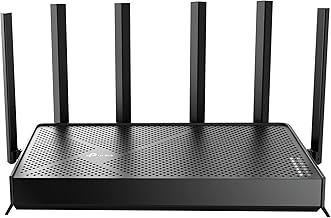
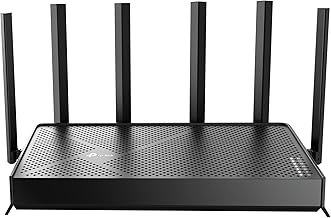
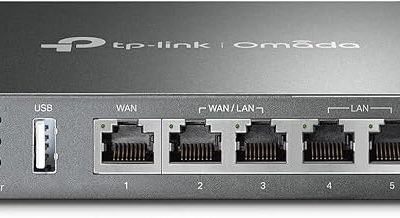
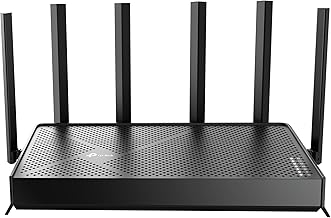
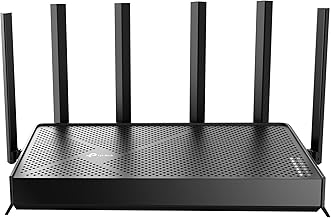
These routers range from minimalist mesh nodes to feature-packed towers. The Amazon eero 7 and eero 6 favor a clean, compact design that blends into any room and expands easily into a mesh system. TP-Link’s Archer lineup, including the BE230, BE550, and BE600, offers more traditional router styling with external antennas and multiple high-speed ports. The tri-band BE9700 and BE9300 models are larger to accommodate more antennas and cooling, reflecting their flagship performance. All feel well-built and are designed to sit prominently or tuck away depending on your preference.
Performance
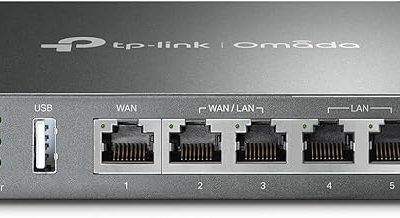
Performance scales with your needs and internet plan. The eero 7 supports plans up to 2.5 Gbps and covers around 2,000 square feet per unit, making it a strong, simple choice for gigabit homes. TP-Link’s BE230 and BE400 dual-band models bring 2.5G ports and cover mid-size homes affordably, while the tri-band BE550 offers 6-stream throughput and full 2.5G ports for demanding setups. At the top, the tri-band BE600 with a 10G port, multiple 2.5G ports, and 320MHz channels handles up to 120 devices across 2,600 square feet. Features like MLO, EasyMesh, VPN support, and HomeShield security add real value across the range.
Pros & Cons
- Cutting-edge speed: Wi-Fi 7 with multi-link operation and wide channels.
- High device capacity: Handles dozens of connected devices without slowdown.
- Fast wired ports: 2.5G and even 10G ports on premium models.
- Mesh and security features: EasyMesh expansion, VPN, and HomeShield protection.
- Requires compatible devices: Full Wi-Fi 7 benefits need Wi-Fi 7 clients.
- Premium pricing: Flagship tri-band models cost more.
- Overkill for small plans: Slower internet may not use the full capability.
Alternatives to Consider
If you want the simplest setup and easy mesh expansion, the Amazon eero 7 is an excellent plug-and-play choice. Budget-conscious buyers should look at the TP-Link BE230 or BE400, which deliver Wi-Fi 7 essentials at a lower price. For large homes and heavy device loads, the tri-band BE550 or BE600 provide the top-end throughput and port selection worth the investment.
Frequently Asked Questions
Do I need Wi-Fi 7 devices to benefit?
You get the full speed and latency gains only with Wi-Fi 7 clients, but these routers still improve coverage, capacity, and reliability for older Wi-Fi 6 and 6E devices too.
Is a mesh system or single router better?
Mesh systems like eero excel in larger or multi-story homes with dead zones, while a powerful single router suits smaller spaces or setups centered around one area.
What internet speed do I need for these?
They benefit gigabit and multi-gig plans most. The eero 7 supports up to 2.5 Gbps, and TP-Link’s flagships handle even faster wired connections via their 10G ports.
What is MLO in Wi-Fi 7?
Multi-link operation lets devices connect across multiple bands simultaneously, improving speed and reducing latency, which is especially valuable for gaming and video calls.
Verdict
A Wi-Fi 7 router is a smart future-proofing upgrade, and this lineup covers every home. The Amazon eero 7 wins for simplicity and mesh coverage, the TP-Link BE230 and BE400 offer great value, and the tri-band BE550 and BE600 deliver flagship throughput for demanding households. Match the router to your home size, device count, and internet plan, and you will enjoy faster, more reliable connectivity for years to come.