Key takeaways
- Pick wired for zero latency and value, wireless for freedom of movement and cable-free comfort.
- Prioritize clear positional audio; hearing footsteps accurately is a real competitive advantage.
- Test or research the microphone quality, especially if you play team games or stream regularly.
- Confirm platform compatibility before buying, particularly for wireless models that use platform-specific dongles.
What's inside
A great gaming headset does more than pump out sound. It lets you hear footsteps before you see the enemy, keeps your voice clear to your teammates, and stays comfortable through marathon sessions. The right headset can genuinely improve your play, while a poor one leaves you missing audio cues and rubbing sore ears an hour in.
This 2026 guide covers everything you need to choose well: wired versus wireless trade-offs, what surround sound really does, why microphone quality matters more than you think, how to judge comfort, and how to match a headset to your platform. By the end you will know which features are worth paying for and which are just marketing.
As an Amazon Associate we earn from qualifying purchases at no extra cost to you. Product prices and availability are accurate as of the date shown and are subject to change.






⚡ Save on Your Next PC — Amazon Prime
Prime members get fast free shipping on the systems above, plus early access to Prime Day & Black Friday PC deals. New members get a 30-day free trial.
Watch: How to Choose a Gaming Headset (2026 Guide) — Video Review
Wired vs. Wireless
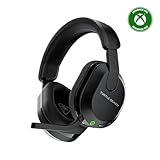
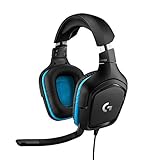
The first decision is how the headset connects. Wired headsets like the Razer BlackShark V2 X or JBL Quantum 100M2 offer zero latency, never need charging, and cost less, making them a favorite for competitive play. Wireless models like the Turtle Beach Stealth 600, Logitech G522, or AOC 2.4GHz headset free you from cables and offer long battery life, ideal for comfort and console gaming. Choose wired for pure responsiveness and value, wireless for freedom of movement and a tidy desk.
Sound Quality and Surround
Audio is the whole point, so pay attention to driver quality and spatial sound. Larger, well-tuned drivers reproduce clear highs and punchy lows, while surround sound features, like the 7.1 surround on the Ozeino and BENGOO G9000 headsets, help you locate enemies by direction. Virtual surround can be a real advantage in competitive shooters where positional audio wins fights. Just remember that clean stereo from a quality driver often beats mediocre surround, so prioritize overall clarity first.
Microphone Quality
Your teammates hear you through the mic, and a bad one makes callouts frustrating for everyone. Look for a clear microphone with noise cancellation that filters out keyboard clatter and background noise, a feature on headsets like the Ozeino and BENGOO models. A detachable or flip-to-mute mic, like the one on the JBL Quantum 100M2, adds convenience for when you step away. If you play team-based games or stream, mic quality deserves as much attention as the audio you hear.
Comfort for Long Sessions
Comfort determines whether you can actually enjoy those long sessions. Soft memory-foam earcups, an adjustable padded headband, and a light overall weight prevent the pressure and heat that cause fatigue. Over-ear designs with plush cushions, like those on many BENGOO and Ozeino headsets, distribute weight evenly and stay comfortable for hours. If you wear glasses or have a larger head, prioritize adjustable, well-padded models so the fit never becomes a distraction mid-game.
Platform Compatibility and Connections
Make sure the headset works with your gear. A 3.5mm jack, used by headsets like the Razer BlackShark V2 X, is broadly compatible with PC, consoles, and mobile. Wireless headsets often use a USB dongle tuned for specific platforms, so check that the Stealth 600 or G522 supports your console or PC. If you switch between devices, a headset with both wired and wireless options or wide platform support saves you from buying more than one.
Tips
- Pick wired for zero latency and value, wireless for freedom of movement and cable-free comfort.
- Prioritize clear positional audio; hearing footsteps accurately is a real competitive advantage.
- Test or research the microphone quality, especially if you play team games or stream regularly.
- Confirm platform compatibility before buying, particularly for wireless models that use platform-specific dongles.
Frequently Asked Questions
Is wired or wireless better for gaming?
Wired headsets offer zero latency and never need charging, which suits competitive play and tight budgets. Wireless models add freedom of movement and a cleaner setup. Choose based on whether responsiveness or convenience matters more to you.
Do I need 7.1 surround sound?
It helps in games where positional audio matters, letting you pinpoint enemies by direction. However, clean stereo from quality drivers can outperform weak surround, so prioritize overall sound clarity and treat surround as a useful bonus.
How important is the microphone?
Very important for team-based games and streaming. A clear mic with noise cancellation keeps your callouts understandable and filters out background clatter, making communication smoother for you and everyone you play with.
Will any headset work with my console?
Not always. A 3.5mm headset is broadly compatible, but wireless models often use platform-specific USB dongles. Check the listed compatibility for your PC or console before buying to avoid connection headaches.
Conclusion
Choosing a gaming headset comes down to balancing sound, comfort, microphone quality, and connectivity for the way you play. Decide between wired responsiveness and wireless freedom, prioritize clear positional audio and a solid mic, and make sure the fit stays comfortable and the connection matches your platform. Get those basics right and your headset will give you both a competitive edge and hours of comfortable, immersive play.