Key takeaways
- Resolution and size: 27-inch QHD hits the sweet spot for competitive play and sharp text, 32-inch 4K delivers cinematic detail, and 49-inch super-ultrawide wraps you in the action — match the size to your desk depth and GPU power.
- Refresh rate: 240Hz is the modern baseline for OLED gaming, and dual-mode panels can push 330Hz at lower resolution — higher is smoother, but only if your graphics card can feed it.
- QD-OLED vs WOLED: QD-OLED tends toward richer, more saturated color, while WOLED panels can hit strong brightness; both deliver the perfect blacks OLED is famous for.
- HDR and brightness: Look for DisplayHDR True Black 400 certification for convincing highlights and inky shadows in HDR games and movies.
- Burn-in protection: Modern panels include OLED care features, pixel shifting, and multi-year burn-in warranties — check the coverage so you can game worry-free.
What's inside
OLED has gone from luxury novelty to the panel enthusiasts genuinely covet, and in 2026 it is the gold standard for gaming displays. Per-pixel lighting means true blacks, dazzling contrast, and near-instant 0.03ms response times that make LCD motion look sluggish by comparison. Add refresh rates soaring past 240Hz and QD-OLED color that pops off the screen, and it is easy to see why players are upgrading in droves.
We compared the year’s standout OLED monitors across sharpness, motion clarity, HDR punch, and long-term panel care to help you spend wisely. Sizes now range from tidy 27-inch QHD panels to sprawling 49-inch super-ultrawides, and dual-mode technology lets some screens trade resolution for even higher refresh. Here is how to choose, followed by the best OLED monitors we recommend right now.
As an Amazon Associate we earn from qualifying purchases at no extra cost to you. Product prices and availability are accurate as of the date shown and are subject to change.


⚡ Save on Your Next PC — Amazon Prime
Prime members get fast free shipping on the systems above, plus early access to Prime Day & Black Friday PC deals. New members get a 30-day free trial.
Watch: Best OLED Monitor 2026 — Video Review
How to Choose the Right OLED Monitor
- Resolution and size: 27-inch QHD hits the sweet spot for competitive play and sharp text, 32-inch 4K delivers cinematic detail, and 49-inch super-ultrawide wraps you in the action — match the size to your desk depth and GPU power.
- Refresh rate: 240Hz is the modern baseline for OLED gaming, and dual-mode panels can push 330Hz at lower resolution — higher is smoother, but only if your graphics card can feed it.
- QD-OLED vs WOLED: QD-OLED tends toward richer, more saturated color, while WOLED panels can hit strong brightness; both deliver the perfect blacks OLED is famous for.
- HDR and brightness: Look for DisplayHDR True Black 400 certification for convincing highlights and inky shadows in HDR games and movies.
- Burn-in protection: Modern panels include OLED care features, pixel shifting, and multi-year burn-in warranties — check the coverage so you can game worry-free.
The Best OLED Monitors Reviewed
LG 27GX704A-B UltraGear
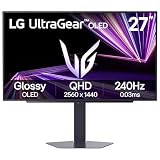
The LG 27GX704A-B is our top all-round OLED. This 27-inch QHD panel runs at 240Hz with a 0.03ms response, G-Sync compatibility, FreeSync Premium Pro, and HDR True Black 400. HDMI 2.1 and DisplayPort make it console-ready, and the tuning is superb for fast, competitive gaming.
Samsung Odyssey OLED G6
The Samsung 27-inch Odyssey OLED G6 pairs a QD-OLED QHD panel with a blistering 240Hz refresh, glare-free coating, and Pantone-validated color. OLED Safeguard protection and a three-year warranty add peace of mind, making it a beautiful, worry-free pick for vivid, saturated visuals.
LG 32GX850A-B UltraGear
Want 4K without giving up speed? The LG 32GX850A-B is a 32-inch glossy 4K OLED with dual-mode 165Hz/330Hz operation, 0.03ms response, and G-Sync. It delivers pin-sharp detail for single-player epics and can switch to blazing high-refresh mode for competitive sessions.
ASUS ROG XG27AQDMGR
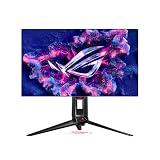
The ASUS ROG XG27AQDMGR brings a 27-inch 1440p 240Hz glossy OLED with OLED Care Pro, a Neo Proximity sensor, and 99% DCI-P3 coverage. Its TrueBlack glossy finish makes colors leap off the screen, and it is fully optimized for PS5 and Xbox as well as PC.
Samsung Odyssey G9 49″
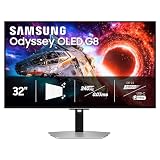
For total immersion, the Samsung 49-inch Odyssey QD-OLED super-ultrawide wraps a DQHD canvas around your field of view at 240Hz and 0.03ms. G-Sync compatibility, FreeSync Premium Pro, and an adjustable stand make it the ultimate showpiece for sim racing, flight, and expansive open worlds.
Frequently Asked Questions
Should I worry about OLED burn-in for gaming?
Far less than in the past. Today’s panels use pixel shifting, logo dimming, and OLED care routines, and manufacturers back them with multi-year burn-in warranties. Vary your content and enable the care features and you are unlikely to see issues.
Is 4K OLED or QHD OLED better for gaming?
QHD at 27 inches is easier to drive and ideal for high-refresh competitive play, while 4K at 32 inches offers stunning detail for cinematic titles. Dual-mode 4K panels bridge the gap by switching to high-refresh QHD on demand.
What refresh rate do I actually need?
240Hz is a fantastic, future-proof target for OLED. You only benefit from 330Hz dual-mode if you play fast shooters and own a GPU powerful enough to reach those frame rates at the reduced resolution.
Do OLED monitors work well with consoles?
Yes. Panels with HDMI 2.1, like the LG UltraGear and ASUS ROG options, support the high refresh and variable refresh features of the PS5 and Xbox Series X for a superb console experience.
Final Thoughts
OLED delivers the most striking gaming image money can buy, and 2026’s lineup is spoiled for choice. The LG 27GX704A-B is the balanced champion, the LG 32GX850A-B is the dual-mode 4K powerhouse, and the Samsung 49-inch Odyssey is pure immersive spectacle. Decide on size, refresh, and how much desk you can spare, and any OLED here will redefine what your games look like.