Our Top Picks
 Valve Steam Deck OLED 1TB Handheld Gaming Console7 inches16.77 x 6.26 x 3.39 inches3.7 poundsCheck on Amazon
The best handheld gaming PC for most players is a Ryzen Z2-class Windows handheld with a 120Hz screen and at least 1TB of storage, and the Steam Deck OLED is the simpler choice if you mostly play from a Steam library. Eleven listings are compared below, from budget 512GB models up to GPD and ONEXPLAYER machines aimed at heavy AAA and emulation use. Two pairs of listings are close to duplicates, so we say plainly where the difference is just storage or a bundled accessory. Every spec below comes from the listing title, so treat it as the seller’s claim and confirm it on the product page before you buy.
Eleven handhelds at a glance

GPD Win 5 Handheld Gaming PC - AMD Ryzen AI Max+ 395, 64GB LPDDR5X, 2TB SSD, Radeon 8060S, Windows 11 Handheld UMPC Game Console for AAA & Emulation
One of the home product options compared in this guide.
View on Amazon
GPD Win Mini 2025 Handheld Gaming PC, AMD Ryzen 7 8840U, 8C/16T up to 5.1GHz, Radeon 780M GPU, 16GB LPDDR5X RAM, 1TB NVMe SSD, 7” 1080p 120Hz Touchscreen, Wi-Fi 6E Bluetooth 5.3
One of the home product options compared in this guide.
View on Amazon
msi Claw A8 PC Gaming Handheld: AMD Ryzen Z2 Extreme, 8" FHD+ 120Hz Display, 24GB LPDDR5x, 1TB NVMe SSD, SD Card Reader, Thunderbolt 4, Win 11 Home: White BZ2EM-070US
One of the home product options compared in this guide.
View on AmazonValve Steam Deck OLED 1TB Handheld Gaming Console
One of the home product options compared in this guide.
View on Amazon
MSI Claw PC Gaming Handheld: Intel Arc G3 Extreme Processor, 8" FHD+ 120Hz Display, 32GB LPDDR5, 1TB NVMe SSD, MicroSD Card Express Reader, Thunderbolt 4, Win 11 Home: Void Purple 8 EX AI+ CG3EM-024US
One of the home product options compared in this guide.
View on Amazon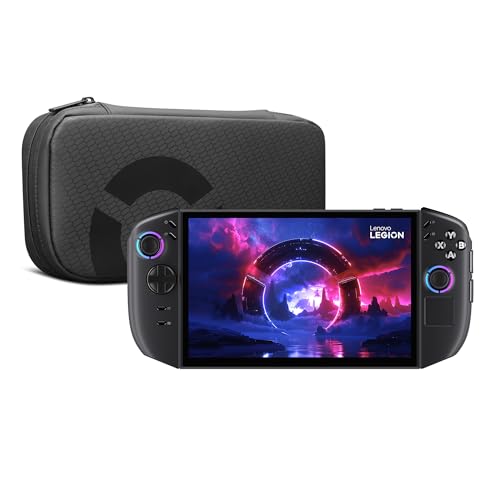
Lenovo Legion Go 2 – Mobile Gaming Console – AMD Ryzen Z2 CPU – 8.8" WQXGA PureSight OLED Display – 144Hz – Integrated AMD Radeon™ Graphics – 16GB Memory – 1TB Storage – Fingerprint Reader
One of the home product options compared in this guide.
View on Amazon
ASUS ROG Xbox Ally Gaming Handheld 7" 120Hz, AMD Ryzen Z2 A, 16GB / 1TB | IPS Touch Display, AMD RDNA 2 Graphics, Fingerprint, WiFi 6E, Bluetooth 5.4, Win 11 Home with DKZ USB Hub Accessory
One of the home product options compared in this guide.
View on Amazon
Lenovo Legion Go S - 2025 - Mobile Gaming Console - AMD Radeon graphics - 8" PureSight IPS Display - 120Hz - AMD Ryzen™ Z2 Go - 16GB Memory - 512GB Storage - Glacier White - Free PC Game Pass
One of the home product options compared in this guide.
View on Amazon
ONEXPLAYER 3 Gaming Handheld PC,AAA Gaming&Work,32GB+1TB,3-in-1,No keyboard | Arc B390 graphics,8.8"144Hz AMOLED,1920×1200,VRR,HDR,1100 nits,85Wh battery,Wi-Fi 7,detachable controllers
One of the home product options compared in this guide.
View on Amazon
ASUS ROG Xbox Ally – 7” 1080p 120Hz Touchscreen Gaming Handheld, 3-month Xbox Game Pass Premium included, AMD Ryzen Z2 A, 16GB RAM, 512GB SSD, White
One of the home product options compared in this guide.
View on Amazon| Model | Key point from title | Price tier | Best for |
|---|---|---|---|
| GPD Win 5 | Ryzen AI Max+ 395, 64GB LPDDR5X, 2TB SSD, Radeon 8060S | Premium (inferred from specs) | Maximum power, emulation |
| GPD Win Mini | Ryzen 7 8840U, 780M, 16GB, 1TB, 7in 1080p 120Hz touch | Mid-range | Compact Windows play |
| msi Claw A8 | Ryzen Z2 Extreme, 8in FHD+ 120Hz, 24GB, 1TB, Thunderbolt 4 | Mid-range to premium | Performance with docking |
| Valve Steam Deck OLED 1TB | OLED model, 1TB; title lists no chip or screen size | Mid-range | Steam library, simplicity |
| MSI Claw 8 EX AI+ | Intel Arc G3 Extreme, 8in 120Hz, 32GB, 1TB, Thunderbolt 4 | Premium | Intel graphics, big RAM |
| Lenovo Legion Go 2 | Ryzen Z2, 8.8in WQXGA OLED 144Hz, 16GB, 1TB | Premium | Large OLED screen |
| ASUS ROG Xbox Ally (1TB bundle) | 7in 120Hz, Ryzen Z2 A, 16GB/1TB, DKZ hub accessory | Mid-range | Xbox-style Windows play |
| Lenovo Legion Go S | 8in IPS 120Hz, Ryzen Z2 Go, 16GB, 512GB | Budget | Lowest cost of entry |
| ONEXPLAYER 3 (AMOLED listing) | Arc B390, 8.8in 144Hz AMOLED, 32GB, 1TB, 85Wh | Premium | Battery and screen |
| ASUS ROG Xbox Ally (512GB) | 7in 1080p 120Hz, Ryzen Z2 A, 16GB, 512GB, Game Pass trial | Budget | Cheapest Xbox-style option |
| ONEXPLAYER 3 (Arc G3 Extreme listing) | 8.8in touch, Arc G3 Extreme, 32GB, 1TB | Premium | Same family, fewer details |
Price tiers are relative within this set and, where the listing shows no price, inferred from the specs in the title.
Each handheld in detail
GPD Win 5
On paper this is the strongest machine here: the title pairs a Ryzen AI Max+ 395 and Radeon 8060S graphics with 64GB of LPDDR5X and a 2TB SSD, and pitches it at AAA games and emulation. It is a Windows 11 UMPC, so expect something larger and hungrier than a Steam Deck. The title gives no screen size or battery capacity, so check the listing.
Pros
- Most memory and storage in the group
- Strongest integrated graphics on paper
Cons
- No screen or battery details in the title
- Likely the highest power draw and price
Who it’s for: Enthusiasts who want near-desktop capability and accept the size and short unplugged runtime.
GPD Win Mini
The listing names a Ryzen 7 8840U with Radeon 780M graphics, 16GB LPDDR5X, a 1TB NVMe drive and a 7-inch 1080p 120Hz touchscreen, plus Wi-Fi 6E. That chip is an older generation than the Z2 handhelds, which matters for newer games. The title does not describe the body or controls, so look at the photos.
Pros
- 1080p 120Hz touchscreen
- 1TB NVMe storage included
Cons
- Older chip generation than Z2 models
- 16GB is shared between the CPU and graphics
Who it’s for: Players who want a small Windows handheld for indie, retro and lighter 3D games.
msi Claw A8
Here the title lists a Ryzen Z2 Extreme, an 8-inch FHD+ 120Hz display, 24GB of LPDDR5x, a 1TB NVMe drive, an SD card reader and Thunderbolt 4. Thunderbolt makes docking and external storage simpler. It ships with Windows 11 Home, so you handle launchers and handheld settings yourself. Battery capacity is not in the title.
Pros
- 24GB of memory is generous for this class
- Thunderbolt 4 and an SD card slot
Cons
- Windows needs controller-friendly tweaking
- Battery size is not listed
Who it’s for: Buyers who want a fast Windows handheld that also docks to a TV or monitor.
Valve Steam Deck OLED 1TB
The title says only that this is the Steam Deck OLED with 1TB, so chip, screen size and battery are not stated and should be checked on the listing. As sold it runs Valve’s own SteamOS rather than Windows, which gives a console-like experience for Steam games. Some games with strict anti-cheat or non-Steam launchers may need extra setup or may not run.
Pros
- Simple, console-style interface
- 1TB of storage and an OLED panel
Cons
- Title lists no chip or battery details
- Some Windows-only games may not run
Who it’s for: Steam library owners who want it to just work without managing Windows.
MSI Claw 8 EX AI+
This listing is built on an Intel Arc G3 Extreme processor with 32GB of LPDDR5, a 1TB NVMe drive, an 8-inch FHD+ 120Hz display, a microSD Express reader and Thunderbolt 4. The 32GB is the most memory of any Windows model here apart from the GPD. Intel handhelds can behave differently from AMD ones in some games, so read buyer feedback for your titles.
Pros
- 32GB of memory
- Thunderbolt 4 and microSD Express
Cons
- Premium price tier
- Game compatibility and drivers vary by title
Who it’s for: Buyers who want lots of RAM and are comfortable troubleshooting Windows.
Lenovo Legion Go 2
The title advertises an 8.8-inch WQXGA PureSight OLED at 144Hz, a Ryzen Z2 chip (variant unstated), 16GB of memory, 1TB of storage and a fingerprint reader. The sharp, fast screen is the draw, but driving a high-resolution panel with integrated graphics usually means lowering resolution or settings in demanding games.
Pros
- Large, high-refresh OLED display
- 1TB storage and a fingerprint reader
Cons
- Chip variant is not named in the title
- High-resolution screen strains 16GB shared memory
Who it’s for: Players who value display quality and mostly run lighter or older games.
ASUS ROG Xbox Ally (1TB with DKZ hub)
This listing gives a 7-inch 120Hz IPS touch screen, a Ryzen Z2 A, RDNA 2 graphics, 16GB and 1TB, Wi-Fi 6E and a fingerprint reader. It also bundles a DKZ USB hub accessory, which adds no gaming performance. The Z2 A sits below the Z2 Extreme tier, so do not expect the speed of the msi Claw A8.
Pros
- 1TB storage
- Wi-Fi 6E and Bluetooth 5.4 listed
Cons
- Z2 A is a lower-tier chip
- Bundled hub adds cost, not speed
Who it’s for: Xbox and Game Pass players who want extra storage.
Lenovo Legion Go S
The title lists an 8-inch PureSight IPS display at 120Hz, a Ryzen Z2 Go, 16GB of memory and 512GB of storage, with a free PC Game Pass offer that is the seller’s claim, so check its length. It is the most affordable route to a Windows handheld here. The Z2 Go is positioned below Z2 Extreme in AMD’s naming, so lower your settings expectations.
Pros
- Lowest price tier in the set
- 8-inch 120Hz screen
Cons
- 512GB fills quickly with modern games
- Entry-level Z2 Go chip
Who it’s for: Budget-minded players focused on esports, indie and older titles.
ONEXPLAYER 3 (Arc B390, AMOLED listing)
This listing claims an Arc B390 GPU, an 8.8-inch 144Hz AMOLED at 1920×1200 with VRR, HDR and 1100 nits, 32GB and 1TB, Wi-Fi 7, detachable controllers and an 85Wh battery. The battery is the largest stated in the group. Note that the title says ‘no keyboard’, so the 3-in-1 keyboard is not included.
Pros
- 85Wh battery and Wi-Fi 7
- Bright 144Hz AMOLED claimed
Cons
- Premium price tier
- Keyboard not included
Who it’s for: Players who want battery life, a vivid screen and a detachable-controller tablet.
ASUS ROG Xbox Ally (512GB)
The cheaper Ally listing carries a 7-inch 1080p 120Hz touchscreen, Ryzen Z2 A, 16GB and 512GB, with three months of Xbox Game Pass Premium. It is nearly the same machine as the 1TB bundle, so the real decision is whether you need the extra 512GB. A large microSD card can bridge some of that gap if the model has a slot.
Pros
- Lower cost than the 1TB bundle
- Game Pass trial included
Cons
- 512GB is tight for big installs
- Same lower-tier Z2 A chip
Who it’s for: Shoppers who want an Xbox-style handheld without paying for storage.
ONEXPLAYER 3 (Arc G3 Extreme listing)
This second ONEXPLAYER 3 listing names an Arc G3 Extreme, an 8.8-inch touchscreen, 32GB LPDDR5X and a 1TB SSD, but the graphics wording differs from the other listing’s Arc B390. Confirm exactly which processor ships before ordering. With fewer stated features it is the harder of the two to evaluate.
Pros
- 32GB memory and 1TB storage
- Touchscreen with a 3-in-1 design
Cons
- Graphics naming conflicts with the sibling listing
- Few details on battery and display
Who it’s for: Only buyers who confirm the specs with the seller first.
How these listings were chosen
We compared the eleven handheld listings in this set using published specifications, manufacturer documentation and buyer reviews, then ordered them by chip class, screen, memory and storage as stated in each title. Nobody on the team used or measured these units. Where a title is ambiguous, such as the two ONEXPLAYER 3 graphics names or the Legion Go 2 chip variant, we flagged it rather than guessing. Prices change often, so we describe tiers instead of amounts. Check each listing for battery capacity and return terms.
What to look for in a handheld gaming PC
Chip and graphics class
The processor sets your ceiling. Ryzen Z2 Extreme in the msi Claw A8 sits above the Z2 A and Z2 Go chips, while the Win 5 and its Max+ chip aim higher still. Intel Arc options exist too. Newer chips run recent games at medium settings far better than the 8840U in the Win Mini, though that older chip is fine for lighter titles. Memory matters as well, because integrated graphics borrow from the same pool: 16GB works, while 24GB or 32GB gives games and Windows more breathing room.
Screen size and refresh
Seven to nine inches is the practical range. 120Hz helps motion, but your handheld rarely holds 120fps in new games, so variable refresh is more useful than a bigger number. A sharper screen costs frame rate, so a 1080p panel is the efficient choice on weaker chips. Touch support is handy for Windows menus, and an OLED panel adds contrast, but check the listing for brightness claims, which are the seller’s figures.
Battery against power draw
Runtime is roughly battery watt-hours divided by whole-device draw. As an illustrative estimate, if a game pulls 20W in total, a 50Wh pack lasts about 2.5 hours, while the 85Wh pack in the ONEXPLAYER listing would last about 4.2 hours at the same draw. This ignores conversion losses and screen differences, so real figures will be lower. Always check capacity on the listing, and remember that lowering the power limit stretches runtime at the cost of frame rate.
Storage and expansion
512GB holds only a handful of large installs, so 1TB is the comfortable minimum for AAA play. Check for a microSD or SD slot, and note that Thunderbolt 4 ports let you add fast external drives. Slot types are not always in the title, so confirm them on the listing.
Windows or SteamOS
Windows runs every launcher and most anti-cheat titles but needs controller-friendly settings. SteamOS is smoother for Steam but less universal, and a few games or launchers will need workarounds. Windows machines also tend to run background apps, so closing them before play can recover some battery. If you also want to dock to a TV, see our guide to TV gaming PCs for a larger-screen alternative.
Mistakes buyers make
- Paying for the highest chip, then mostly playing plugged in; ask whether you really play on the move, because a mid-tier chip is cheaper.
- Ignoring storage: 512GB looks fine until three large games are installed, and then you are deleting games to make room.
- Treating seller claims such as nits, battery and Game Pass length as verified; read the listing and buyer feedback.
- Assuming near-duplicate listings are identical; the ONEXPLAYER and Ally pairs differ in storage, accessories and graphics wording.
- Expecting every PC game to be controller-friendly; some need keyboard and mouse workarounds, and a few launchers misbehave on small touch screens.
- Skipping a careful charger check: confirm the listing includes one and that it supports your preferred power level.
Which one should you buy?
For most players, the msi Claw A8 balances a top-tier AMD chip, 24GB of memory and 1TB of storage with docking-friendly Thunderbolt 4. The Steam Deck OLED 1TB is the easiest to live with if your library is on Steam. If budget rules, the Legion Go S or the 512GB ROG Xbox Ally get you playing, but you may add a memory card soon. The GPD Win 5 and ONEXPLAYER 3 are for enthusiasts who accept premium pricing. Always confirm specs on the listing.
Related guides
- How To Fix Stick Drift On Xbox And Ps5 Controllers
- How Long Does A Gaming Laptop Last Before Upgrade
- Gaming Chairs For Tall People Over 6 Foot 3
Frequently asked questions
Is a handheld gaming PC better than a Steam Deck?
It depends on your library. Windows handhelds like the Claw A8 run every launcher and can be faster, but they need setup and often cost more. The Steam Deck OLED trades flexibility for a simple, console-like experience. Compare chip class, storage and battery on each listing, and think about whether you want to manage Windows settings yourself.
How much storage do I need?
1TB is the comfortable starting point for modern AAA games, since single installs can run into the tens or even hundreds of gigabytes. A 512GB model suits esports and indie play, and a microSD card can add space if the handheld has a slot, though card speeds are slower than the internal drive.
Can I play handheld games on a TV?
Many Windows handhelds can output video over USB-C or HDMI through a dock or adapter, and Thunderbolt 4 models give more options. Check each listing for video output support and whether a dock is included before assuming TV play works, as docks are often sold separately and resolution support varies.
How long does a handheld battery last?
Runtime depends on battery capacity and how much power the game draws. As an estimate, a 50Wh pack at 20W lasts about 2.5 hours, and an 85Wh pack about 4.2 hours. Demanding games and bright screens shorten that, so expect less than any advertised figure, and treat these numbers as rough planning estimates only.
Is the ROG Xbox Ally worth buying over the Legion Go S?
They sit in a similar budget tier. The Ally has a 7-inch screen and Game Pass trial, while the Legion Go S has an 8-inch screen and 512GB. Both use lower-tier Z2 chips, so choose based on screen size, storage and your preference for Xbox or Lenovo software, and check what is actually bundled.