Key takeaways
- Find the best speakers for classical music with this guide to tonal balance, imaging, driver size, room fit and placement for orchestral and chamber listening.
As an Amazon Associate we earn from qualifying purchases.
Classical music asks more of a speaker than most genres do. A single recording can move from a lone violin playing almost silently to a full orchestra at full force, and the speaker has to follow that journey without hardening the strings, smearing the woodwinds, or losing the low brass in a blur. The real decision is not which speaker is loudest or most impressive in a short demonstration, but which one keeps instrumental tone honest across that whole range, from the softest pianissimo to the loudest fortissimo, in the room where you actually listen.
This guide is written for listeners building a first serious system around orchestral and chamber recordings, for vinyl and streaming collectors who want a speaker that suits long sessions, and for anyone replacing a soundbar or smart speaker with something more musical. It walks through tonal balance, imaging, driver size, room fit, and placement, so you can match a pair of speakers to the recordings you love and the space you have.
How to Choose
Classical recordings expose weaknesses that other music hides, so judge a speaker on the qualities below rather than on a single impressive demo track.
Tonal Balance Across the Orchestra
A classical speaker must stay even from the lowest cello note to the highest violin harmonic. If the treble is pushed forward, strings turn glassy and fatiguing over a full symphony; if the midrange is scooped out, woodwinds and voices lose the body that makes them sound real. Listen for a natural cello tone, a clarinet that sounds woody rather than nasal, and a piano that keeps its weight in the left hand without booming. A speaker that gets the middle of the range right will handle the extremes more gracefully than one tuned for excitement, because orchestral music spends most of its time in the midrange, where the ear is most sensitive to coloration.
Imaging and Soundstage
Orchestral music is written for a stage, with first violins on one side, cellos on the other, and brass and percussion set back behind the strings. A good pair of speakers recreates that layout, placing each section in a stable position between and beyond the cabinets, with a sense of depth that reaches behind the speakers rather than flattening everything into a line. Poor imaging collapses the orchestra into a narrow band, so a string quartet sounds like four players standing in a row at the same distance. When you audition, close your eyes during a familiar recording and check whether you can point to where each section sits, and whether that picture stays steady as the music gets louder.
Dynamic Range and Low-Level Detail
Classical music has the widest dynamic range of any genre, swinging from passages so quiet you lean in to listen to climaxes that fill a concert hall. A speaker needs to stay clean at both ends of that scale: it must resolve the faint intake of breath before a flute entry and the soft decay of a piano chord, yet keep its composure when a brass section and timpani arrive together. Compression is the enemy here, because a speaker that flattens loud passages robs a crescendo of its purpose. Small drivers and small cabinets struggle most with this, which is why the size of the speaker and the power behind it matter more for classical music than for pop recordings.
Room Fit, Placement, and Source Matching
A speaker that sounds superb in a large showroom can overwhelm a small study, and a compact pair can sound thin in a room with hard floors. Match the speaker to the room: longer listening distances suit floorstanding speakers or bigger bookshelf pairs, while a desk or a small bedroom calls for a compact pair with space behind it. Keep the speakers away from the rear wall and angle them toward your seat, because bass builds up against walls and imaging sharpens when the speakers form a triangle with the listener. Finally, check the inputs: a turntable, a streamer, and a television each ask for different connections, and the amplifier or powered design must suit the source you use most.
Which One Fits Your Situation
There is no single best speaker for every classical listener, because the right choice depends on the room, the source, and how you listen. Match the type below to your own setup.
A Small Room or a Desk Setup
A compact powered bookshelf pair fits a desk, a study, or a small bedroom, where you sit close and the room adds warmth. Choose a pair with a smooth tweeter and a front or sealed design if the speakers must sit near a wall, and keep the volume moderate so the small drivers stay clean through quiet passages.
A Living Room for Orchestral Listening
A larger bookshelf pair or a floorstanding speaker suits a living room, where the listening distance is longer and the room is bigger. The extra cabinet volume and larger drivers give cellos and double basses their proper weight, and the wider spacing between the speakers opens up the soundstage for a full orchestra.
Vinyl and Long Listening Sessions
If your main source is a turntable, look for a pair with a phono input or a matching amplifier with one built in, so the deck connects directly without an extra box. A warm, smooth balance matters most here, because vinyl sessions run long and a bright speaker turns tiring over a whole symphony.
A Single Speaker for Streaming
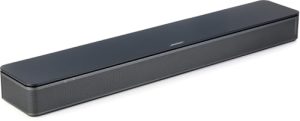
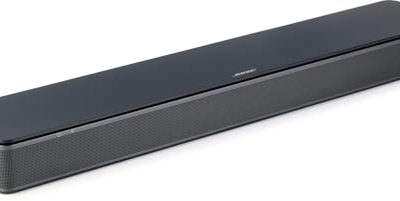
If you mostly stream from a phone or laptop and want one box rather than a pair, a single smart or wireless speaker with room tuning fits a kitchen, a bedroom, or a small flat. Accept that one cabinet cannot separate the sections of an orchestra the way a stereo pair does, and place it where you listen most.
Common Mistakes
These are the errors that most often spoil a classical setup, and all of them are easy to avoid once you know to look for them.
- Buying for bass impact instead of tonal accuracy. Classical music rarely needs the deep, forceful bass that suits film soundtracks or electronic music, yet many buyers choose the speaker with the strongest low end and then find that strings sound thick and voices sound chesty. A speaker tuned for impact often sacrifices the midrange clarity that carries a violin section or a woodwind solo, and the extra bass can muddy the quiet passages where classical music does its finest work. Judge a speaker on a string quartet or a solo piano recording first, and only then check how it handles the loud moments of a symphony, because the midrange is where you will spend most of your listening time.
- Placing speakers hard against the wall. Pushing a pair of speakers flush against the rear wall is the fastest way to wreck their sound, because the wall reinforces the bass and turns a balanced speaker into a boomy one. The effect is worst with rear-ported designs, which need space behind them to breathe, and it hits classical music hard, since a bloated low end swallows the cellos and double basses and leaves the violins sounding thin by comparison. Pull the speakers out from the wall, even by a short distance, and listen to a familiar orchestral passage again; the bass usually tightens, the image sharpens, and the whole orchestra falls back into proportion.
- Ignoring the amplifier match. Passive speakers need an amplifier, and the pairing matters more than many buyers expect. A low-powered amplifier can run out of headroom on a sudden orchestral climax, clipping the peaks and making the brass sound harsh, while an amplifier with the wrong character can tilt a neutral speaker toward brightness or dullness. Check the sensitivity and impedance figures on the speaker listing, and choose amplification with enough power in reserve for the loudest passages in your room. If you would rather skip the matching question entirely, a powered pair with the amplifier built in removes the guesswork, since the manufacturer has already paired the drivers with suitable power.
- Judging by one loud demo track. A short, loud demonstration in a shop favours speakers that impress immediately, with a lifted treble and an exaggerated low end, yet those are the qualities that turn fatiguing over a full symphony at home. Classical listening is mostly quiet and detailed, so a speaker that sounds exciting for thirty seconds can sound tiring after thirty minutes. Audition with music you know well, including a quiet chamber piece and a solo instrument, and listen at the volume you actually use at home. If the dealer only plays dramatic climaxes, ask for something softer, because the quiet passages reveal far more about a speaker than the loud ones do.
- Forgetting the room itself. The room is part of the speaker system, and bare walls, hard floors, and large windows add reflections that smear the fine detail classical music depends on. A great pair of speakers in an echoing room can sound worse than a modest pair in a room with rugs, curtains, and bookshelves, because the reflections blur the space between instruments and harden the strings. You do not need acoustic panels to fix this: a rug between the speakers and the listening seat, curtains over a bare window, and a bookshelf along a side wall all soften the reflections. Sort out the room before blaming the speakers, since placement and furnishings often change the sound more than a different model would.
Frequently Asked Questions
Short answers to the questions classical listeners ask most often before choosing a pair of speakers.
Do I need floorstanding speakers for classical music?
Not necessarily. A well-designed bookshelf pair suits a small or medium room and can reproduce an orchestra convincingly at normal listening levels, especially with a subwoofer for the deepest organ and bass drum notes. Floorstanding speakers earn their place in larger rooms and at longer listening distances, where their extra cabinet volume and larger drivers fill the space without strain.
Are powered speakers good for classical music?
Yes, when the design is honest about its limits. A powered pair removes the amplifier matching question and includes useful inputs for a streamer or a television, which suits listeners who want a simple setup. The trade-off is that small powered pairs can run out of headroom on loud orchestral climaxes, so choose a model with enough driver size and cabinet volume for your room rather than the smallest option.
How important is bass for classical music?
Bass matters, but not in the way it does for film or electronic music. What classical music needs is accurate, controlled low end that gives cellos, double basses, and timpani their weight without overwhelming the midrange. A speaker that reaches low with control beats one that plays loud down low, and a subwoofer is optional rather than essential unless you listen to a lot of organ music or orchestral works.
Should I buy speakers online without hearing them first?
You can, but only with a return policy. Read the listing for driver sizes, inputs, and dimensions, check that the speaker suits your room and your source, and measure the space where it will sit before ordering. When the speakers arrive, listen to recordings you know well at your volume for a few days, because impressions can mislead, and a speaker that sounds right is the one to keep.
FAQ
Do I need floorstanding speakers for classical music?
Are powered speakers good for classical music?
How important is bass for classical music?
Should I buy speakers online without hearing them first?
More from Amazon
Programs that pair well with the guide above. Offers and eligibility are set by Amazon and may change.
Free shipping on eligible items, Prime Video and more. Eligible new members can start with a free trial.
Start a Prime free trialAd-free music streaming. Eligible new subscribers can start with a free trial.
Try Music Unlimited freeA Prime membership for ages 18-24 with a trial period. Eligibility is set by Amazon.
See Prime for Young AdultsAudiobooks and podcasts to listen to on the go. Eligible new members can start with a free trial.
Try Audible freeAs an Amazon Associate we earn from qualifying purchases.