Key takeaways
- Searching for the best bluetooth speakers for golf cart rides? This guide explains mounting, weather resistance, battery life and volume so you can choose well.
As an Amazon Associate we earn from qualifying purchases.
A golf cart is a small, open, rattling vehicle, and that changes what a speaker has to do. The real decision is not which speaker sounds best in a quiet room, but which one stays put on a bumpy path, stays audible over wind and engine hum, and keeps playing from the first tee to the final green. A speaker that slides off the dash or dies halfway through the back nine is no use, however good its bass sounds at home.
Weekend golfers, course regulars, neighbourhood cruisers and families sharing one cart all face the same trade-offs, just in different proportions. This guide walks through those trade-offs in plain terms, drawing on manufacturer specifications and listing details for the speaker types sold for cart use, so you can match a design to the way you actually ride instead of guessing from a single feature.
How to Choose
Mounting That Actually Holds on Rough Paths
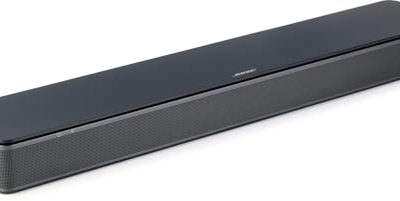
Start with how the speaker attaches to the cart. A golf cart shakes, tilts and stops suddenly, far more than a shelf ever will, so a clamp, strap or magnetic base that grips a roof strut or dash rail is worth more than a slightly louder driver. Look for mounts sized to your cart’s struts, and check whether the bracket is included or sold separately. A portable speaker with a flat base can sit in a cup holder, but it still needs a non-slip mat or a strap for bumpy stretches. Soundbars built for carts bolt to the front struts, keeping them out of the way and aimed at both seats.
Weather Resistance for Rain, Dust and Morning Dew
Golf is an outdoor game, and a cart speaker will meet rain showers, dusty paths, sprinkler spray and damp morning air whether you plan for it or not. Weather resistance ratings tell you how much exposure a design is built to handle, with higher ratings generally covering stronger water jets and finer dust. A speaker rated for splashes can survive a light shower, while one built for jets copes better with a downpour or a wash-down after the round. Sealed buttons and covered charging ports matter as much as the rating itself, because water finds the weakest point first. Wipe the speaker dry after wet rounds, and check the port cover before every outing.
Battery Life That Covers a Full Round
A round of golf takes several hours, and a speaker that fades on the sixteenth hole turns the rest of the ride quiet. Battery figures from manufacturers are usually measured at moderate volume, so real use on a windy course at higher volume will run shorter, sometimes noticeably so. Choose a speaker whose rated playtime comfortably exceeds your longest outing, leaving a margin for the drive home and the next round if you forget to charge it. Soundbars with removable battery packs solve the problem differently, since you can charge a spare pack indoors while the bar stays on the cart. Check how long a full recharge takes, because a slow-charging speaker is little help on back-to-back golf days.
Sound That Carries Without Annoying the Next Fairway
Volume on a golf cart is a balancing act. You need enough output to hear music over tyre noise, wind and conversation, but not so much that the group on the next fairway hears every chorus. A speaker with a clear midrange and controlled bass usually works better outdoors than one tuned for deep indoor thump, since low frequencies scatter quickly in open air and voices get lost first. Direction matters too: a speaker facing the passengers sounds louder to you at lower volume than one firing at the roof. The right choice lets everyone in the cart hear comfortably while keeping the music a private pleasure rather than a broadcast.
Which One Fits Your Situation
Weekend Golfers Who Play Nine or Eighteen Holes
A compact portable speaker suits a golfer who plays a few times a month and wants music without modifying the cart. It drops into a cup holder or straps to a strut, pairs with a phone in seconds, and comes home for charging and for use around the house. Pick one with a secure grip and enough playtime for a full round plus the ride back to the car park. Weather resistance matters, since a shower can arrive mid-round.
Neighbourhood Cruisers and Evening Riders
Riders who cruise the neighbourhood in the evening need a speaker that is easy to carry, quick to pair and pleasant at low volume. A small portable model with simple controls fits this pattern well, because the cart is often parked and the music is background rather than the main event. A handle or clip helps it move between cart and porch. Keep the volume modest after dark so the ride stays friendly to neighbours.
Course Regulars Who Want a Permanent Setup
Golfers who play several times a week get the most from a mounted soundbar fixed to the roof struts. It stays on the cart, stays aimed at both seats, and removes the routine of carrying, placing and retrieving a speaker. A wired connection or removable battery pack avoids charging anxiety, and the larger drivers fill the cart with sound at moderate volume. Check that the bar fits your cart model and that the brackets suit your strut shape before ordering.
Families Sharing One Cart
Families need a speaker that everyone can use without a learning curve. Big, clearly marked buttons, a simple pairing process and a sturdy mount matter more than exotic features. A portable speaker with a strap mount works well because it can move between carts and come indoors for charging. Choose a design that survives being knocked, splashed and handed between passengers, and set a household rule about volume so the ride stays relaxed for every generation on board.
Getting the Speaker Set Up on the Cart
Placement decides how good any speaker sounds on a cart. Mount a soundbar high on the front struts so the sound reaches both seats evenly, and angle it slightly downward toward the passengers rather than straight ahead. A portable speaker works best on the dash or in a central cup holder, where it sits close to both riders and stays clear of feet, bags and clubs. Keep it away from the steering column and the brake pedal, and make sure nothing blocks the driver grille.
Cables deserve the same attention as placement. Route a charging cable along the dash or strut with a clip, never across the floor where it can tangle with feet or golf bags. Pair the speaker with your phone before you leave the car park, and set the volume while the cart is stationary, so you are not adjusting controls while driving. A short test drive around the car park reveals rattles, loose mounts and muffled sound before they spoil a round, and it takes only a minute.
Finally, build a charging habit into the end of every outing. A speaker left flat in the cart is no help on the next round, so plug it in when you get home or swap in a charged battery pack if your soundbar uses one. Keep the charging cable in the cart’s glove box or with your golf bag, so it is always where you need it. A fully charged battery is the cheapest upgrade any cart audio setup can have, and it costs nothing but a few seconds of routine after each round.
Volume etiquette matters as much as wiring. Keep the music inside the cart, turn it down when you approach other groups, and switch it off near the tee and the green, where concentration matters most. Ask your playing partners what they enjoy, and keep a playlist ready so nobody fiddles with a phone mid-round. A little courtesy keeps the music welcome on every course you visit.
Check the local course rules before you mount anything, because some clubs limit music on the course or ask players to keep the volume low near other groups. A speaker that is easy to mute or turn down quickly is worth more than extra volume in that setting. If you ride with a regular group, agree on a volume that everyone can live with, and keep the playlist free of anything that might carry across a quiet green. Respect for other players keeps the music welcome rather than a complaint.
Common Mistakes
- Buying for indoor sound instead of outdoor use. A speaker tuned for a quiet room can sound thin and lost on a windy course, so judge designs by how they perform in open air, with clear voices and enough output to rise above tyre and wind noise, and remember that bass that impresses indoors often disappears outside.
- Ignoring the mount until the first bump. A speaker with no secure attachment will slide, fall or rattle within the first few holes, so confirm the bracket, strap or magnetic base fits your cart’s struts or dash before you rely on it, and recheck the fitting after the first few rounds.
- Trusting the headline battery figure at full volume. Manufacturers usually measure playtime at moderate volume, so a speaker that promises a long session on paper may run far shorter when played loudly outdoors, and a safety margin matters more than the headline number itself.
- Forgetting the charging routine. A speaker that lives on the cart needs a plan for recharging between rounds, whether that means a removable battery pack, a USB port on the cart or simply bringing it indoors after every outing, because a flat battery turns the next round silent.
- Playing it too loud for the course. Music that carries across fairways annoys other golfers and can breach course rules, so keep the volume inside the cart, turn it down near other groups, and check whether your course has a policy on speakers before you play.
Frequently Asked Questions
Can I use any portable Bluetooth speaker on a golf cart?
Almost any portable Bluetooth speaker will pair with a phone and play on a cart, but not every one suits the job. The cart adds vibration, wind, sun and rain, so a speaker with a secure mount, weather resistance and enough battery for a full round performs far better than a delicate indoor model. A strapped or clamped speaker stays put, while a plain one may slide off the dash.
How do I keep a speaker from falling off the cart?
Use the mount the speaker was designed for, whether that is a strap, clamp, magnetic base or a bolted bracket for a soundbar. Match the mount to your cart’s strut shape and size, tighten it firmly, and test it with a firm tug before driving. Place portable speakers low and centrally, in a cup holder or on a non-slip mat, rather than balanced on a narrow rail.
Do I need a waterproof speaker for golf?
A weather-resistant speaker is a sensible choice for any golfer, since rain, dew, dust and sprinkler spray are all part of the game. You do not need the highest possible rating for occasional light showers, but sealed buttons and a covered charging port protect against the damp conditions a cart meets most often. Wipe it dry after wet rounds and store it under cover.
Will a speaker drain my phone battery quickly?
Streaming over Bluetooth uses some phone battery, but it is usually a modest share of a full charge across a round, especially with the screen off. A speaker with its own battery does the heavy lifting, so the phone only sends the signal. A small power bank or the cart’s USB port removes the worry, and downloading playlists in advance cuts the drain from mobile data.
FAQ
Can I use any portable Bluetooth speaker on a golf cart?
How do I keep a speaker from falling off the cart?
Do I need a waterproof speaker for golf?
Will a speaker drain my phone battery quickly?
More from Amazon
Programs that pair well with the guide above. Offers and eligibility are set by Amazon and may change.
Free shipping on eligible items, Prime Video and more. Eligible new members can start with a free trial.
Start a Prime free trialAd-free music streaming. Eligible new subscribers can start with a free trial.
Try Music Unlimited freeA Prime membership for ages 18-24 with a trial period. Eligibility is set by Amazon.
See Prime for Young AdultsAudiobooks and podcasts to listen to on the go. Eligible new members can start with a free trial.
Try Audible freeAs an Amazon Associate we earn from qualifying purchases.