Our Top Picks
A DSLR does not care about the read speed on the front of a memory card. What it cares about is how fast the card can write, because that decides how long the buffer takes to clear after a burst of RAW frames and whether a 4K clip stops partway through. That mismatch is the trap in this category: the biggest number on the label is a read figure that helps only when you copy files to a computer, while the number that matters at the shoot is a sustained write speed or a video class marking such as V30. The real decision is how much write performance your camera actually needs, and how many cards you want to carry.
This guide is for hobbyists, students, and families using an entry-level or older DSLR, plus anyone building a small stock of spare cards for events and travel. The eight listings range from a pro-oriented 64GB card to multi-packs of small-capacity cards. Everything below sticks to what each title states: capacity, card type, speed class, read speed, and stated uses. Check your camera’s manual for the maximum supported card standard before buying anything in 2026.
Quick Picks

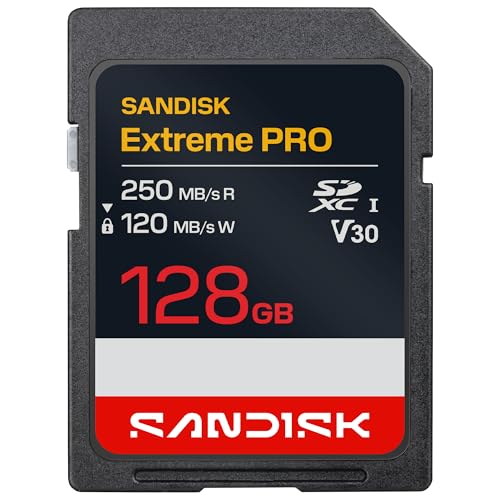
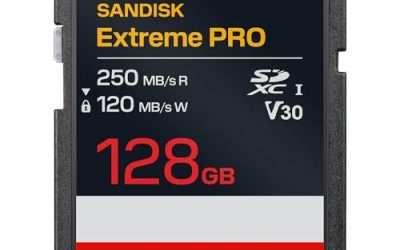
SANDISK 64GB Extreme PRO SD Memory Card, Up to 200MB/s Read Speeds, UHS-I | V30, U3, C10, 4K UHD, Full HD, Up to 90MB/s Write Speeds, Backup + Transfer with SANDISK App - SDSDXXU-064G-GSCIN
One of the consumer electronics options compared in this guide.
View on Amazon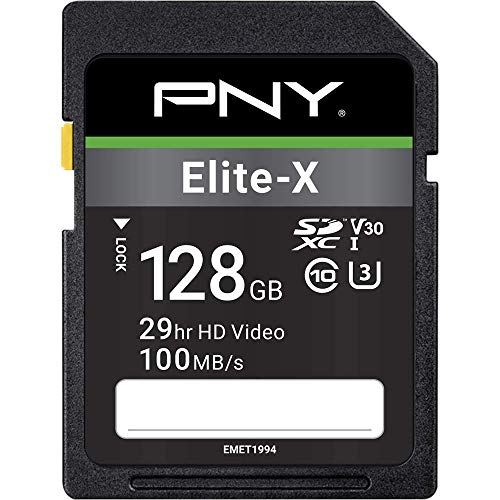
PNY 128GB Elite-X C10 U3 V30 SDXC Flash Memory Card, UHS-I, 4K UHD | Up to 100MB/s Read, 4K Ultra HD, Full HD Photo, Smooth Content Capture, For DSLR Camera, Point & Shoot Camera, Video Camera
One of the consumer electronics options compared in this guide.
View on Amazon
SanDisk Ultra 64GB Class 10 SDXC UHS-I Memory Card up to 80MB/s (SDSDUNC-064G-GN6IN)
One of the consumer electronics options compared in this guide.
View on Amazon
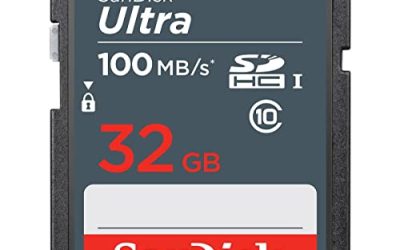
SanDisk 32GB Ultra 100MBs SDHC Memory Card | Up to 100MB/s read, Water-resistant design, Impact-resistant build
One of the consumer electronics options compared in this guide.
View on Amazon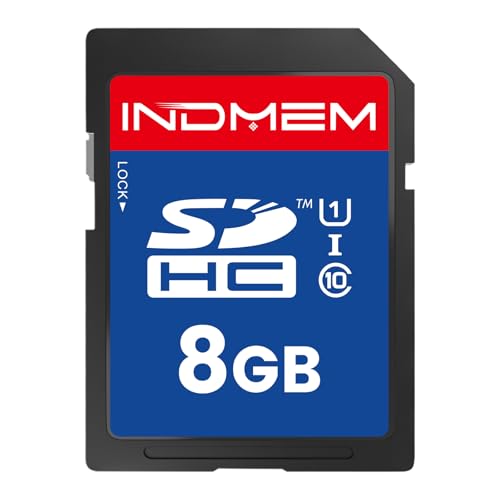
INDMEM SD Card 8GB, 1 Pack UHS-I U1 Class 10 SDHC SLC Flash Memory Cards | Compatible with Digital Camera, DSLR, Trail Cam, Legacy Devices
One of the consumer electronics options compared in this guide.
View on Amazon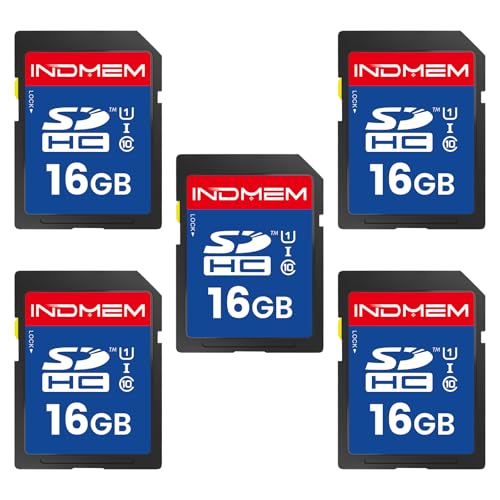
16GB SD Card, 5 Pack SDHC Memory Cards UHS-I U1 Class10 Secure Digital Card | Up to 90MB/s High-Speed Full HD Video, Compatible with Digital Point-and-Shoot Cameras, HD Camcorders, DSLR and PC
One of the consumer electronics options compared in this guide.
View on Amazon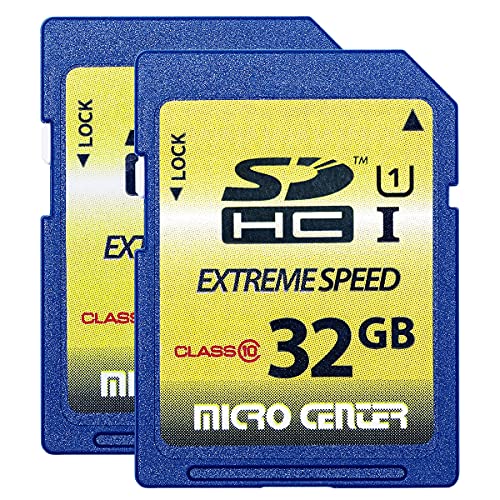
INLAND 32GB SDHC Flash Memory Card Standard Full Size SD Card (2 Pack) | Class 10, USH-I, U1, 60MB/s Read, 10MB/s Write, For Trail & Hunting Camera, Digital Cameras, ILDCs, DSLRs, by Micro Center
One of the consumer electronics options compared in this guide.
View on Amazon
PNY 32GB Elite C10 U1 V10 SDHC Flash Memory Card 5-Pack, UHS-I | Up to 100MB/s Read, UHS-I, Full HD Video Quality, Compatible with DSLR, Video Cameras
One of the consumer electronics options compared in this guide.
View on Amazon| Product | Best for | Key spec from the title |
|---|---|---|
| SanDisk 64GB Extreme PRO SD | Burst shooting and 4K video | 200MB/s read, 90MB/s write, UHS-I, V30, U3 |
| PNY 128GB Elite-X SDXC | High capacity for video and photos | 128GB, C10 U3 V30, 100MB/s read, 4K UHD |
| SanDisk Ultra 64GB SDXC | General photography | 64GB, Class 10, UHS-I, 80MB/s |
| SanDisk Ultra 32GB SDHC | Older DSLR bodies | 32GB, 100MB/s read, water and impact resistant |
| INDMEM 8GB SDHC | Legacy cameras and trail cams | 8GB, U1, Class 10, SLC flash |
| 16GB SDHC 5-Pack | Spare cards for events | 16GB x 5, U1, Class 10, 90MB/s |
| INLAND 32GB SDHC 2-Pack | Entry-level DSLR users | 32GB x 2, U1, 60MB/s read, 10MB/s write |
| PNY 32GB Elite SDHC 5-Pack | Multiple cards for rotation | 32GB x 5, C10 U1 V10, 100MB/s read |
How to Choose
Write speed and speed class
The markings that matter are the speed classes. U1 guarantees a minimum sustained write of 10MB/s, while U3 guarantees 30MB/s. V10 and V30 give the same minimums for video recording. Full HD video works on U1 or V10 cards. 4K video and fast RAW burst shooting call for U3 or V30. Only two listings here carry U3 and V30 markings: the SanDisk Extreme PRO and the PNY Elite-X. The rest are U1, which suits stills and Full HD but may slow a burst.
Capacity and card type
SDHC cards run up to 32GB and SDXC cards start at 64GB. Older DSLRs sometimes cannot read SDXC, so a 32GB SDHC card is the safe choice when you are unsure. Each RAW file from a modern DSLR can be tens of megabytes, so a 16GB card holds fewer shots than it seems, while a 128GB card suits video. Multi-packs spread risk: if one card fails, only part of a shoot is lost.
A practical rule is to match capacity to how you shoot. A casual shooter taking a few hundred JPEG images per outing will rarely fill 32GB. Someone shooting RAW at a weekend event, or recording longer video clips, benefits from 64GB or 128GB, or from several smaller cards swapped through the day. Do the arithmetic from your camera’s file size, not from a general guess, and leave a margin so you never delete images in the field to make room.
Bus standard and compatibility
The seven listings that state a bus type all say UHS-I. That suits most DSLRs, which were built before faster buses became common. Do not pay extra for a faster standard your camera cannot use. Confirm that your body supports UHS-I and your capacity of choice. The 200MB/s read speed on the Extreme PRO listing is only reachable in a card reader with matching bus support, not in the camera.
Features to ignore and where budget cards cut corners
Ignore read-speed headlines and decorative extras. Budget cards cut corners on sustained write speed, which is why a 60MB/s read card may write at only 10MB/s, as the INLAND title admits. Water-resistant and impact-resistant claims are nice, but backing up your files matters more. Buy from a seller you trust, since counterfeit cards are a known problem with memory products, and format each card in the camera before first use.
One more habit separates careful shooters from those who lose photos: never fill a card to the last frame, and copy files off it before the next big shoot. Cards are consumables, and a failed one is far less painful when the images already exist in a second place. A multi-pack makes that routine easier because you can retire a card after a shoot instead of reformatting it immediately.
The 8 Best Options
SanDisk 64GB Extreme PRO SD
This is the performance card in the group. The title lists a 200MB/s read speed, up to 90MB/s write speed, UHS-I, V30, U3, Class 10, and 4K UHD support. It suits DSLR users shooting bursts of action, sports, or 4K video who want a card that will not bottleneck the camera.
- Strength: V30 and U3 markings guarantee sustained write speed for 4K video.
- Strength: 90MB/s write speed helps clear a RAW buffer quickly.
- Trade-off: 64GB is modest for lengthy 4K video, and the top read speed needs a card reader to realize.
Skip it if you shoot only casual stills and want the lowest cost per gigabyte. Buyers who film long 4K clips should note that capacity runs out quickly at 64GB, so a second card or the larger PNY is a sensible companion.
PNY 128GB Elite-X SDXC
A larger card with C10, U3, V30, UHS-I, up to 100MB/s read, and 4K UHD support. The title names DSLR use directly. It suits video-minded photographers who want capacity and the V30 marking without moving to premium pricing.
- Strength: 128GB capacity offers plenty of room for video and RAW.
- Strength: U3 and V30 markings suit 4K recording.
- Trade-off: SDXC format may not be supported by very old DSLR bodies.
Skip it if your camera only accepts SDHC cards up to 32GB. It is also worth reading the camera manual for a maximum supported capacity, since some bodies stop at 128GB or lower even when they accept SDXC.
SanDisk Ultra 64GB SDXC
A Class 10 UHS-I SDXC card with up to 80MB/s listed speed. The title is brief and gives no U or V rating. It suits general-purpose still photography on a camera that supports SDXC.
- Strength: 64GB capacity is a comfortable middle for photo shoots.
- Strength: Established brand and model number in the title aid verification.
- Trade-off: No U3 or V30 marking is stated, so 4K video is not assured.
Skip it if you plan to record 4K video or shoot long bursts. For everyday portraits, landscapes, and family snapshots, the missing class marking matters far less than it would for action work.
SanDisk Ultra 32GB SDHC
A 32GB SDHC card with 100MB/s read, water resistance, and impact resistance stated in the title. It suits older DSLRs that cannot use SDXC cards and travelers who like resistance claims for rough handling.
- Strength: SDHC format works with a broad range of older cameras.
- Strength: Water-resistant and impact-resistant design is named.
- Trade-off: No U or V class appears in the title, so sustained write speed is unstated.
Skip it if you need verified minimum write speed for video.
INDMEM 8GB SDHC
A small 8GB card using SLC flash, listed as UHS-I U1 Class 10 and compatible with digital cameras, DSLRs, trail cams, and legacy devices. It suits owners of older gear that needs a small, simple card.
- Strength: SLC flash is named, which is associated with durability.
- Strength: Legacy-device compatibility is stated in the title.
- Trade-off: 8GB holds few RAW images and little video.
Skip it if you shoot RAW or video regularly.
16GB SDHC 5-Pack
Five 16GB SDHC cards with UHS-I, U1, Class 10, up to 90MB/s, and Full HD video support. The title notes compatibility with point-and-shoot cameras. It suits event shooters who want to swap cards through the day.
- Strength: Five cards spread risk across a shoot.
- Strength: U1 rating supports Full HD video and stills.
- Trade-off: The brand is not named in the title, so verify seller reliability.
Skip it if you want a single large card or recognized brand assurance.
INLAND 32GB SDHC 2-Pack
Two 32GB SDHC cards with Class 10, UHS-I, U1, 60MB/s read, and 10MB/s write stated in the title. It suits budget DSLR users and trail and hunting camera owners who need two cards.
- Strength: The write speed is stated honestly, which helps set expectations.
- Strength: Two cards offer a backup option.
- Trade-off: 10MB/s write is the minimum, so bursts and video will be slow.
Skip it if you shoot action or fast sequences. The honest write figure in the title is useful, because it tells you in advance that a long burst will leave the camera waiting on the card.
PNY 32GB Elite SDHC 5-Pack
Five 32GB cards, C10, U1, V10, UHS-I, up to 100MB/s read, Full HD video, and compatibility with DSLR and video cameras. It suits users who want several SDHC cards with a recognized brand for rotation.
- Strength: V10 marking guarantees a minimum video write speed.
- Strength: Five SDHC cards cover multiple shoots.
- Trade-off: V10 is not sufficient for 4K recording.
Skip it if you shoot 4K video or need a single large card.
Which One Fits Your Situation
You shoot sports or 4K video
The SanDisk 64GB Extreme PRO gives the speed ratings and sustained write speed that bursts and 4K clips demand. If you need more space, the PNY 128GB Elite-X is the capacity alternative.
You own an older DSLR that rejects SDXC
Stay with SDHC: the SanDisk Ultra 32GB or the PNY 32GB 5-pack both work in that format, and the multi-pack gives you spares.
You photograph weddings or events
The PNY 32GB 5-pack or the 16GB 5-pack lets you swap cards through the day and limits the loss if one fails.
You need a simple card for a trail camera or legacy device
The INDMEM 8GB or the INLAND 32GB 2-pack fits modest needs at a budget tier.
Common Mistakes
- Buying by read speed instead of write speed and speed class.
- Choosing SDXC for a DSLR that supports only SDHC.
- Using U1 cards for 4K video and then losing clips.
- Putting a whole shoot on one large card with no backup plan.
- Skipping in-camera formatting before first use.
Related guides
- How To Fix Stick Drift On Xbox And Ps5 Controllers
- How Long Does A Gaming Laptop Last Before Upgrade
- Gaming Chairs For Tall People Over 6 Foot 3
Frequently Asked Questions
Do I need a UHS-II card for a DSLR?
Only if your camera supports it. Most entry-level DSLRs use UHS-I, so a faster bus would go unused.
What do U3 and V30 mean?
Both guarantee a minimum sustained write speed of 30MB/s. U3 is the general rating, while V30 is the video-specific marking.
Is 64GB enough for a DSLR?
For stills, usually yes. For 4K video, larger cards such as 128GB offer more recording time before swapping.
Are multi-packs a good idea?
They offer spare cards at lower cost and spread risk across a shoot, though capacity per card is smaller.