Our Top Picks
The best drawing tablet with a screen for most beginners is a 13-inch, full-laminated pen display from XPPen or Huion, because it balances canvas size, cost and desk space. This guide compares twelve listings across the common brands, and flags one screenless pad that does not belong in this category. Colour gamut and pressure numbers are seller claims throughout, so read them as hints, not measurements.
Pen displays side by side
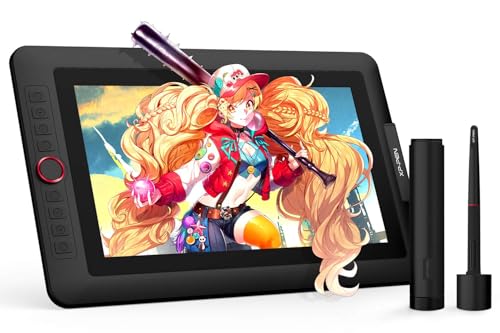
XPPen Artist 13.3 Pro V2 Drawing Tablet with Screen, 16K, Full-Laminated | Anti-Glare 123% sRGB Display, 8 Keys for Art, Animation, Mac, PC, Android, Includes Adjustable Stand, Designed for Beginners
One of the money options compared in this guide.
View on Amazon
UGEE UE12 11.6 inch Drawing Tablet with Screen, Graphic Tablet with Full-Laminated Screen, 124% sRGB Color Gamut, Battery-Free Stylus & 8 Shortcut Keys, Drawing Pad Compatible with Windows/Mac/Android
One of the money options compared in this guide.
View on Amazon
HUION Kamvas 13 (Gen 3) Drawing Tablet with Screen, Dual Dial, 13.3", Black | Full Lamination, Canvas Glass 2.0, 99% sRGB, PenTech 4.0 16384 Levels, Works with PC, Mac and Android, With Stand
One of the money options compared in this guide.
View on Amazon
UGEE 15.4 inch Drawing Tablet with Screen,143% sRGB UE16 Computer Graphics Tablet with Full-Laminated Screen 8+1 Hot Keys 16K Level Pressure Battery-Free Stylus,Drawing Pad for PC/Windows/Mac/Android
One of the money options compared in this guide.
View on Amazon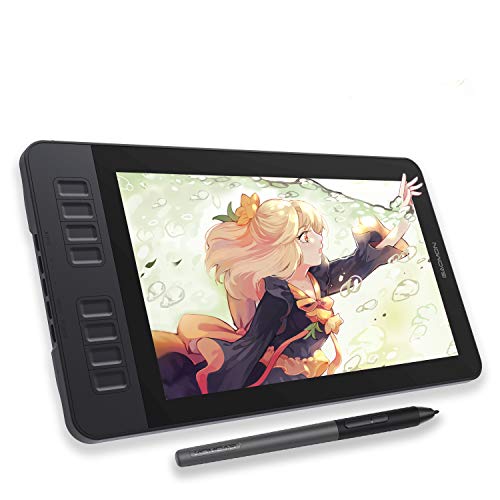
GAOMON PD1161 Drawing Tablet with Screen, Tilt, 8 Shortcut Keys, 11.6" FHD | Anti-Glare Screen, Battery-Free Stylus, 8192 Pressure Levels, for Digital Art, Design & Illustration, Works with Mac/Windows
One of the money options compared in this guide.
View on Amazon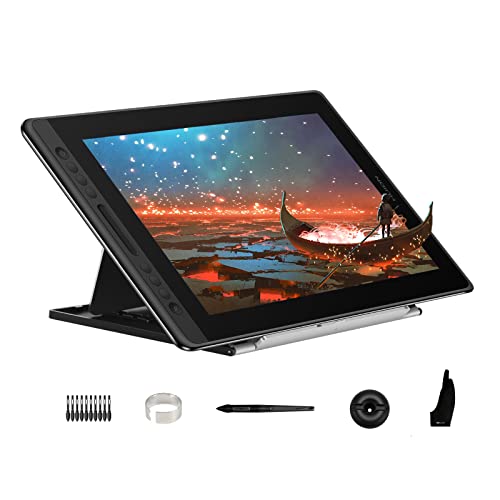
HUION Kamvas Pro 16 Drawing Tablet with Screen,120% sRGB, Touch Bar,15.6" | Fully Laminated Anti-Glare Glass, 6 Shortcut Keys, Adjustable Stand, Works with Windows, Mac and Linux
One of the money options compared in this guide.
View on Amazon
Frunsi RubensTab T11 Pro standalone Drawing Tablet | No Computer Needed,10.1 inch FHD Display,Octa-Core CPU,Pre-Installed Drawing Apps, Tutorials for Beginners, Artists, Students
One of the money options compared in this guide.
View on Amazon
XPPen Artist12 Pro 11.6" Drawing Tablet with Screen Pen Display Full-Laminated Graphics Tablet with Tilt Function Battery-Free Stylus and 8 Shortcut Keys(8192 Levels Pen Pressure and 72% NTSC)
One of the money options compared in this guide.
View on Amazon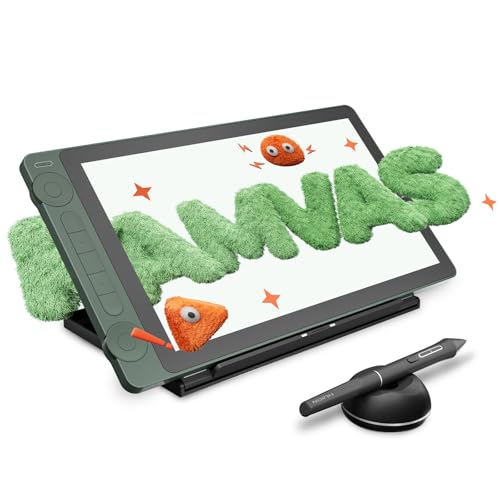
HUION KAMVAS 13 (Gen 3) SE Drawing Tablet with Screen, 16K Pressure, 13.3" | PenTech 4.0, 99% sRGB Full-Laminated Art Tablet with Stand, Anti-Sparkle Canvas Glass, Dual Dial, Work with PC, Mac, Android
One of the money options compared in this guide.
View on Amazon
XPPen Artist 12 3rd 11.9" Drawing Tablet with Screen, 16K, X4 Pen, AG Glass | AG Etched Glass, Dial Wheel, 8 Keys for Digital Art, Animation, Mac, PC, Android, Chromebook, Linux, Designed for Beginners
One of the money options compared in this guide.
View on Amazon| Model | Key point from title | Price tier | Best for |
|---|---|---|---|
| XPPen Artist 13.3 Pro V2 | 13.3″, 123% sRGB claim, 16K | Mid-range | Beginners |
| UGEE UE12 11.6″ | Laminated, 124% sRGB claim | Budget | On-the-go sketching |
| HUION Kamvas 13 (Gen 3) | 13.3″, dual dial, 99% sRGB | Mid-range | Dial users |
| UGEE UE16 15.4″ | 143% sRGB claim, 16K | Mid-range | Bigger canvas |
| GAOMON PD1161 11.6″ | Tilt, 8192 levels | Mid-range | Mac or Windows users |
| HUION Kamvas Pro 16 | 15.6″, touch bar, 120% sRGB | Premium | Desk artists |
| Frunsi RubensTab T11 Pro | Standalone, no PC needed | Mid-range | All-in-one starters |
| XPPen Artist12 Pro | 11.6″, tilt, 72% NTSC | Mid-range | Portability |
| HUION KAMVAS 13 (Gen 3) SE | Anti-sparkle glass, dial | Mid-range | Kamvas 13 alternative |
| XPPen Artist 12 (3rd Gen) | Etched glass, many platforms | Mid-range | Chromebook and Linux |
| HUION KAMVAS 22 | 21.5″, 120% sRGB | Premium | Studio use |
| HUION Inspiroy H1060P | No screen, 10 x 6.25 in pad | Budget | Screenless option (off-type) |
Each tablet, with the trade-offs
XPPen Artist 13.3 Pro V2
A 13.3-inch pen display described as full-laminated with an anti-glare screen, 123% sRGB, 16K pen pressure, eight keys and an adjustable stand. It lists Mac, PC and Android and is pitched at beginners. Colour gamut figures like 123% sRGB are the maker’s claim and are often measured against a particular volume, so treat them as a rough indicator and check the listing for details. The stand and cables are named in the title, which helps.
Pros
- Stand included, per the title
- Full lamination listed, which reduces the gap between pen tip and image
Cons
- Colour claims are the seller’s
- Mid-to-premium tier for the size
Who it’s for: beginners who want a mid-size screen and broad device support.
UGEE UE12 11.6-inch
A smaller 11.6-inch screen with full lamination, 124% sRGB, a battery-free stylus and eight shortcut keys. Compatibility is listed for Windows, Mac and Android. Eleven inches is workable for sketches and portable use, but cramped for large canvases. Pressure levels are not stated in the title, so check the product page if that matters to you.
Pros
- Low tier for a laminated screen
- Battery-free stylus
Cons
- Pressure level not given in the title
- Small working area
Who it’s for: budget buyers who sketch on the go.
HUION Kamvas 13 (Gen 3)
A 13.3-inch display with dual dial controls, full lamination, Canvas Glass 2.0, 99% sRGB and PenTech 4.0 with 16384 levels, with PC, Mac and Android support and a stand. The 99% sRGB figure is lower than some rivals’ claims, so do not read the numbers alone. The dual dial is a distinctive extra. It is very close to the SE listing later in this set, and both carry the same price tier.
Pros
- Dial controls for zoom and brush size
- Stand included
Cons
- Near-duplicate of the Kamvas 13 SE
- Colour figure lower than some rivals’ claims
Who it’s for: artists who like physical dials.
UGEE UE16 15.4-inch
A larger 15.4-inch display with a 143% sRGB claim, full lamination, 8 plus 1 hot keys, 16K pressure and a battery-free stylus. It lists PC, Windows, Mac and Android. The big colour-gamut number is a claim; whether it translates to accurate colour is for the listing and your own calibration to answer.
Pros
- Bigger canvas at a modest tier
- 16K pressure listed
Cons
- 143% sRGB figure is a claim
- Larger size needs desk space
Who it’s for: illustrators who want more screen area without top-tier pricing.
GAOMON PD1161 11.6-inch
An 11.6-inch Full HD, anti-glare display with tilt, eight shortcut keys, a battery-free stylus and 8192 pressure levels. Its compatibility line names Mac and Windows only, with no Android mention, so check before pairing it with a phone. The pressure rating is lower than the 16K listings, though many people never reach that precision.
Pros
- Tilt support listed
- Anti-glare screen
Cons
- No Android compatibility in the title
- 8192 levels, below the 16K listings
Who it’s for: Mac and Windows users on a modest budget.
HUION Kamvas Pro 16 (15.6-inch)
A 15.6-inch fully laminated, anti-glare screen with 120% sRGB, a touch bar, six shortcut keys and an adjustable stand. It works with Windows, Mac and Linux per the title, but Android is not named. The older design shows in the fewer keys and the missing pressure figure in the title.
Pros
- Touch bar and stand
- Linux support named
Cons
- No Android mention
- Pressure figure missing from the title
Who it’s for: desktop artists who want a larger screen and Linux support.
Frunsi RubensTab T11 Pro (standalone)
This is a different kind of product: a standalone drawing tablet with a 10.1-inch Full HD display, an octa-core CPU and pre-installed apps that needs no computer. That makes it more like an Android-style tablet for art than a pen display. It is a good fit for beginners, but not interchangeable with the pen displays that plug into a PC. Listings give no pressure or colour details here, so read the product page.
Pros
- No computer needed
- Includes drawing apps and tutorials
Cons
- Not a pen display for pro software
- Specifications thin in the title
Who it’s for: beginners and students who want an all-in-one without a PC.
XPPen Artist12 Pro 11.6-inch
A full-laminated 11.6-inch screen with tilt, a battery-free stylus, eight keys and 8192 pressure levels at 72% NTSC, which the title gives as the colour spec. NTSC and sRGB percentages are different scales, so do not compare 72% NTSC directly with the sRGB percentages elsewhere. Platform compatibility is not in the title.
Pros
- Tilt support
- Full lamination listed
Cons
- NTSC figure not comparable to sRGB ones
- Compatibility not in the title
Who it’s for: buyers prioritising portability.
HUION KAMVAS 13 (Gen 3) SE
Near-twin of the Gen 3 Kamvas 13: 13.3 inches, 16K pressure, PenTech 4.0, 99% sRGB, full lamination, anti-sparkle glass, a stand and dual dial, with PC, Mac and Android support. The SE label and anti-sparkle glass suggest a surface variation. Pick whichever listing states the surface and bundle most clearly.
Pros
- Anti-sparkle glass
- Dual dial
Cons
- Very similar to the Gen 3 listing
- Surface differences are only hinted at
Who it’s for: buyers choosing between the two Kamvas 13 variants.
XPPen Artist 12 (3rd Gen, 11.9-inch)
An 11.9-inch pen display with 16K pressure, an X4 pen, anti-glare etched glass, a dial wheel and eight keys. It lists Mac, PC, Android, Chromebook and Linux, the widest compatibility in the set. The etched glass adds tooth but may slightly soften the image.
Pros
- Broad platform compatibility
- Dial wheel
Cons
- Etched glass can soften the picture
- Small working area
Who it’s for: beginners using a Chromebook or Linux.
HUION KAMVAS 22 (21.5-inch)
The largest here at 21.5 inches, with 120% sRGB, full lamination, an anti-glare surface, an adjustable stand, tilt and 8192 pressure levels. It works with Mac, PC and Android. The size means desk space and a heavier unit; this is a workstation, not a bag tablet.
Pros
- Largest screen in the set
- Stand included
Cons
- Not portable
- 8192 levels, below the 16K listings
Who it’s for: studio artists with a dedicated desk.
HUION Inspiroy H1060P
This is off-type for the keyword: it is a graphics tablet with no screen, with a 10 x 6.25 inch active area, 12 plus 16 hot keys and 8192 levels. You draw on the pad while looking at your monitor. It is far cheaper than a pen display, but it does not match the search for a drawing tablet with a screen, so consider it only if you are open to the learning curve of looking at a separate screen.
Pros
- Lowest tier by a wide margin
- Battery-free stylus
Cons
- No built-in display
- Requires hand-eye adjustment
Who it’s for: shoppers who may actually want a screenless pad.
How we picked these
This comparison is based on published specifications, manufacturer documentation and buyer reviews, together with the claims in each title. Nobody on the team used or measured these units. Colour gamut and pressure figures are all seller statements, and we say so where they appear. We also call out the off-type entry and the near-duplicates plainly, rather than padding the list with them. Prices appear only as relative tiers.
What to look for in a drawing tablet with a screen
Lamination and parallax
Full lamination removes the air gap between glass and panel, so the pen tip sits closer to the line it draws. That reduces parallax, the visible offset between where you point and where ink appears. Almost every listing here claims lamination, so the differences come down to glass finish and calibration.
Pen pressure levels
16K or 16384 levels sounds like a big jump from 8192, but most artists rarely feel the difference in daily work. Treat it as a minor tie-breaker, not a reason to pay much more.
Colour gamut claims
sRGB percentages above 100 are likely measured against a larger volume or a particular method, and say little about accuracy. NTSC percentages are on another scale altogether. If colour accuracy matters, plan to calibrate or use your own colorimeter.
Compatibility, stand and cables
Check each listing for Windows, Mac, Android, Chromebook and Linux support, and for the cable type your computer needs. Many pen displays need a full-size USB-C port that supports video output, or an adapter box, so look at your own machine. Listings that include a stand save a separate purchase.
Desk-space checklist
As an assumption, a 13-inch display takes about 35 by 22 cm of desk, a 15.6-inch one about 40 by 25 cm and a 21.5-inch one about 55 by 33 cm before the stand. Measure your desk, leave room for the keyboard, and decide whether you need to carry it.
Mistakes buyers make
The most common is buying a screenless pad when the plan is to draw directly on a display; the Inspiroy here is a good example of that mismatch. Others compare an NTSC figure with an sRGB figure as if they were the same scale. Some skip compatibility, then find their phone or Chromebook is unsupported. Many forget the cable or adapter their computer needs. Lastly, buyers sometimes choose the largest size and have nowhere to put it.
Verdict
For most beginners, a 13-inch laminated display such as the XPPen Artist 13.3 Pro V2 or a Huion Kamvas 13 is the sensible middle path. Pick the UGEE UE12 or XPPen Artist 12 if portability and budget matter, and the Huion Kamvas 22 only for a dedicated desk. The Frunsi suits students who do not own a computer. For seasonal deals, see our tablet PC deals guide.
Drawing tablet questions
What is full lamination on a drawing tablet?
It means the display layers are bonded without an air gap, so the pen tip sits closer to the image. This reduces parallax. Almost every pen display listed here claims it, so compare glass finish and size as well.
Do I need 16K pressure levels?
Most artists will not notice much difference between 8192 and 16K levels in daily work. It is a minor bonus, not a deciding factor. Pen feel and screen size matter more.
Can a drawing tablet with a screen work without a computer?
Only standalone models like the Frunsi in this set do. The others need a PC, Mac or other supported device. Check the listing for compatibility and the cable required.
What does 123% sRGB mean?
Such a figure describes the size of the colour range the maker claims, relative to sRGB. It does not guarantee accuracy. Calibration or a colorimeter is the way to check.
Is a screenless graphics tablet a good alternative?
It is much cheaper but requires you to look at a separate monitor while drawing. The Huion Inspiroy here is that type, and does not match a drawing tablet with a screen.
Related guides
- How To Fix Stick Drift On Xbox And Ps5 Controllers
- Mirrorless Cameras For Landscape Photography
- How Long Does A Gaming Laptop Last Before Upgrade