Key takeaways
- Learn how to choose a VR headset and time your next purchase with this November 2026 guide to seasonal buying windows, bundles, and refurbished headsets.
As an Amazon Associate we earn from qualifying purchases.
A virtual reality headset is one of the more satisfying upgrades a gamer can make, and also one of the easiest to buy at the wrong moment. Headset prices move through the year as new models arrive, older models get bundled with games and accessories, and retailers clear stock ahead of the next launch cycle. Knowing what a headset should cost, and when its price tends to fall, matters as much as knowing which model to pick.
This guide explains how to judge a VR headset on its own merits, how to read a bundle, and how to time a purchase so the money goes further. It covers standalone headsets and PC-connected headsets, the trade-offs between new and refurbished units, and the calendar moments when prices usually soften. Whether you are buying your first headset or replacing one you have outgrown, the steps below will help you spend with confidence.
How to Choose
Standalone or PC-Connected
Standalone headsets run everything on the headset itself, so you can play anywhere without a computer or a cable. They are the simplest way into VR, with a large and growing library of games built for them. A PC-connected headset, by contrast, draws on the power of a gaming PC, which means sharper visuals, larger worlds, and access to the full PC VR library. The catch is that you need a capable PC and, in most cases, a cable or a strong wireless link. If you already own a gaming PC and want the best-looking experiences, a PC-connected headset makes sense. If you want VR that works out of the box, standalone is the better starting point.
Display Quality and Comfort
The display decides how sharp the virtual world looks and how long you can stay inside it. Look for resolution per eye, refresh rate, and field of view. A higher refresh rate matters more than slightly higher resolution for comfort, because a headset running at a low refresh rate is more likely to leave you feeling queasy after a long session. Comfort matters just as much: a headset that presses on your forehead or slides around during play will spend more time on a shelf. Check the weight, the balance, and whether the strap spreads the load rather than hanging it all from the front. If you wear glasses, check the headset leaves room for them.
Tracking and Controllers
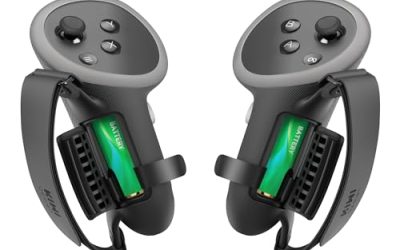
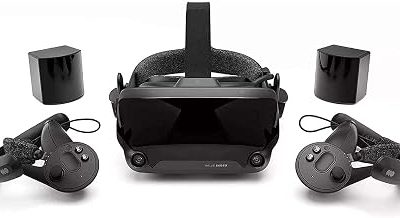
Inside-out tracking, where cameras on the headset watch your hands and controllers, is now the standard, and it works well in a normal living room. Base stations, the small boxes that sit in room corners, still give the most precise tracking for competitive play, but they add cost, cables, and setup time. Controllers matter too: look for comfortable grips, thumbsticks that feel solid, and a battery arrangement you can live with, whether that means rechargeable cells or a dock. Hand tracking, where the headset follows your bare hands, is a useful extra for menus and casual play, but it does not replace controllers for most games. Before buying, check the tracking suits the space you actually have.
Game Library and Ecosystem
A headset is only as good as the games you can play on it, so look at the library before you look at the hardware. Standalone headsets have their own storefronts, and those libraries vary widely from one platform to another. PC-connected headsets open up the larger PC VR library, including franchises and simulation titles that standalone headsets cannot run. Think about the games you actually want to play, and check that they exist on the platform you are considering. Also consider how your purchases carry forward: a library tied to one headset maker may not move with you if you switch brands later, so weigh the cost of starting over against a cheaper headset today.
When to Buy
Headset prices follow a fairly predictable calendar. New models usually arrive in the autumn, and when they do, the outgoing model often gets a lower price or a richer bundle as retailers make room. The weeks around the late-November shopping weekend are the busiest buying window of the year, and headset makers often use them to bundle games, accessories, or extra storage with a headset at the usual price. Early in the new year, retailers clear leftover holiday stock, which can be a good moment to pick up a model that did not sell through. Spring and summer tend to be quieter, with fewer price changes, though a new model announcement can still push an older headset down.
The other moment to watch is a new model announcement. When a maker confirms a successor, the current headset often becomes better value within weeks, either through a lower price or through bundles that add a game or a carrying case. If you do not need the newest hardware, waiting for that announcement can save you a meaningful amount. The risk is stock: once a model is replaced, it can disappear from shelves quickly, and the remaining units may be limited to certain storage sizes or colours. Decide in advance which storage size and which accessories you need, so you can act quickly when the price moves rather than hesitating and missing the window.
Set a target before you start watching prices. Write down the headset you want, the storage size, and the accessories you consider essential, then note the price you are comfortable paying. A clear target keeps you from being swayed by a bundle full of games you will never play or an accessory you do not need. It also helps you recognise a genuine price drop when you see one, because you know the usual price rather than relying on memory. Check the price at two or three retailers before you buy, and remember that a bundle is only good value if every item in it is something you would have bought anyway.
New vs Refurbished
A refurbished headset can be a sensible way to get into VR for less, but only when you know what refurbished means for that seller. A manufacturer-refurbished unit has usually been inspected and cleaned by the maker, and it often carries a warranty close to a new unit. A third-party refurbished unit may have had a lighter inspection, and its warranty may be shorter or cover less. Ask what was replaced, what was checked, and how long the warranty lasts before you buy. If the seller cannot answer those questions, treat the listing with caution.
Check the condition grade carefully. Terms like excellent, good, and fair mean different things from one seller to another, and a headset graded as good may show visible wear on the strap, the face pad, or the controllers. Cosmetic wear is usually harmless, but scratches on the lenses are not: a scratched lens cannot be polished out and will affect every session. Ask for photos of the lenses, and check whether the face pad and strap are new or used, since those are the parts that touch your skin. If the listing does not show the lenses clearly, ask for a closer photo before you commit.
Finally, check what is in the box. A refurbished headset should include its controllers, cables, and charging equipment, and a missing controller can cost nearly as much as the saving on the headset itself. Confirm that the headset can still be registered and that its software and store access are not tied to a previous owner. If the headset needs an account to work, make sure you can set it up under your own account without help from the seller. When those checks pass, a refurbished headset can be a good way to start; when they do not, a new unit is the safer choice.
Which One Fits Your Situation
Your First Headset
A standalone headset is the easiest first step. You get a complete VR setup with no extra hardware to buy and no cables to manage, and you can learn what you enjoy before spending more. Pick a model with a large game library and a comfortable strap, and set aside time to adjust the fit properly on the first day. If you later want PC VR, many standalone headsets can connect to a computer as well.
Upgrading From an Older Headset
If your current headset still works, wait for a clear jump in display quality, tracking, or comfort before replacing it. A small increase in resolution alone is rarely worth the change. Check whether your existing games and accessories carry over to the new model, since starting a fresh library can wipe out any saving on the headset itself. Sell or trade in the old headset only after the new one is set up and working.
VR for Fitness and Active Play
For fitness and active games, weight and fit matter more than visual quality. A lighter headset with a secure strap stays put during fast movement, and a wipeable face pad is easier to keep clean after a sweaty session. Check that the controllers survive being swung hard and that replacement straps and face pads are easy to buy. Standalone headsets suit this use well, since no cable can tangle around you while you move.
VR on a Tight Budget
If money is tight, start by deciding what to give up. A previous-generation headset often plays the same games as the newest model, and a smaller storage size is fine if you play a few games at a time. A bundle is only worth it if you would buy its games anyway. Above all, avoid stretching for a headset that also needs a new PC: the headset is only half the cost in that case.
Common Mistakes
- Buying on the headline price alone. A headset with a lower price and a smaller storage size can cost more in the long run if you end up buying a larger model later or paying for extra storage.
- Ignoring the cost of accessories. A comfortable strap, a charging dock, a carrying case, and a replacement face pad can add a substantial amount to the total you spend.
- Forgetting about your play space. A headset that needs room-scale tracking is a poor fit for a small bedroom, and a tethered headset is a poor fit for a room where the PC sits far from the open floor.
- Assuming every game works on every headset. Some titles are exclusive to one storefront or one platform, so check the games you want before you choose the hardware.
- Waiting too long for a better price. Prices move in steps, not smoothly, and a model can sell out while you wait for a further drop that never arrives.
Frequently Asked Questions
When is the best time of year to buy a VR headset?
The late-November shopping weekend and the weeks after the winter holidays are usually the strongest buying windows, because retailers clear stock and headset makers bundle games or accessories with their headsets. A new model launch is another good moment, since the outgoing model often becomes better value once its successor is announced.
Should I buy a refurbished VR headset?
A refurbished headset from the manufacturer can be good value, provided it has been inspected, carries a clear warranty, and includes its controllers and cables. Check the lenses for scratches and confirm that you can register the headset under your own account. If the seller cannot answer those questions, a new headset is the safer choice.
Is a standalone headset or a PC headset better for a beginner?
A standalone headset is usually the better first headset. It needs no computer, no cables, and no setup beyond charging it and drawing a play boundary, so you can start playing the day it arrives. A PC headset gives sharper visuals and access to larger games, but only if you own a gaming PC that can run them.
What should a good VR headset bundle include?
A useful bundle includes things you would buy anyway: a game or two you actually want to play, a carrying case if you travel with the headset, or extra storage if you keep many games installed. Skip bundles that pad the box with accessories you will never use, since they add bulk and cost without adding value to your setup.
FAQ
When is the best time of year to buy a VR headset?
Should I buy a refurbished VR headset?
Is a standalone headset or a PC headset better for a beginner?
What should a good VR headset bundle include?
More from Amazon
Programs that pair well with the guide above. Offers and eligibility are set by Amazon and may change.
Free shipping on eligible items, Prime Video and more. Eligible new members can start with a free trial.
Start a Prime free trialAd-free music streaming. Eligible new subscribers can start with a free trial.
Try Music Unlimited freeA Prime membership for ages 18-24 with a trial period. Eligibility is set by Amazon.
See Prime for Young AdultsAudiobooks and podcasts to listen to on the go. Eligible new members can start with a free trial.
Try Audible freeAs an Amazon Associate we earn from qualifying purchases.