Key takeaways
- Processor and RAM: Aim for a current Intel Core i5/Core 7 or Ryzen 5 with at least 8GB of RAM; 16GB is worth it if several browser tabs and video calls run at once.
- Storage type and size: Insist on an SSD, not a hard drive. A 256GB SSD is the practical minimum, while 512GB or 1TB gives room for photos, downloads and Windows updates.
- Display size and quality: A 14-inch panel favors portability, a 15.6-inch hits the mainstream balance, and a 17.3-inch FHD screen is easiest on the eyes for shared family use.
- Battery and weight: If the laptop travels between rooms, look for all-day battery and a body under about 4 lbs so it stays comfortable to carry.
- Connectivity and extras: Wi-Fi 6/6E, a decent webcam with a privacy shutter, and a backlit or Copilot keyboard add real convenience for home and hybrid work.
What's inside
Buying a laptop for the home has changed a lot heading into 2026. Families now juggle schoolwork, remote jobs, streaming, video calls and light gaming on a single machine, so the sweet spot is no longer the cheapest bargain-bin model but a balanced notebook that stays quick for years. The good news is that modern Intel Core and AMD Ryzen chips, paired with fast SSD storage and DDR5 memory, make even mid-range laptops feel snappy for everyday tasks.
This guide focuses on well-rounded home laptops that handle browsing, office apps, and Copilot AI features without draining your wallet. We compared screen size, battery life, storage speed and real-world comfort so you can pick a machine that fits how your household actually works, whether that means a compact 14-inch companion or a roomy 17-inch display for the family desk.
As an Amazon Associate we earn from qualifying purchases at no extra cost to you. Product prices and availability are accurate as of the date shown and are subject to change.





⚡ Save on Your Next PC — Amazon Prime
Prime members get fast free shipping on the systems above, plus early access to Prime Day & Black Friday PC deals. New members get a 30-day free trial.
Watch: Best Laptop For Home Use 2026 — Video Review
How to Choose a Laptop for Home Use
- Processor and RAM: Aim for a current Intel Core i5/Core 7 or Ryzen 5 with at least 8GB of RAM; 16GB is worth it if several browser tabs and video calls run at once.
- Storage type and size: Insist on an SSD, not a hard drive. A 256GB SSD is the practical minimum, while 512GB or 1TB gives room for photos, downloads and Windows updates.
- Display size and quality: A 14-inch panel favors portability, a 15.6-inch hits the mainstream balance, and a 17.3-inch FHD screen is easiest on the eyes for shared family use.
- Battery and weight: If the laptop travels between rooms, look for all-day battery and a body under about 4 lbs so it stays comfortable to carry.
- Connectivity and extras: Wi-Fi 6/6E, a decent webcam with a privacy shutter, and a backlit or Copilot keyboard add real convenience for home and hybrid work.
The Best Laptops for Home Use Reviewed
HP 14″ Laptop 2026 Edition
The HP 14″ 2026 Edition is the easy pick for a light, grab-and-go home laptop. With an Intel processor, 8GB of RAM and a 256GB SSD, it handles email, Microsoft 365, and web classes without fuss, and at 3.11 lbs it moves from kitchen to couch effortlessly. Copilot AI support and long battery life make it a dependable everyday machine for students and parents alike.
Dell 16 Laptop DC16251
If you want more screen and future-proofing, the Dell 16 DC16251 delivers a tall 16:10 FHD+ display, an Intel Core 7 150U, 16GB of DDR5 RAM and a spacious 1TB SSD. The anti-glare 300-nit panel and Wi-Fi 6E connectivity make it a strong home-office centerpiece that stays smooth under heavy multitasking.
Dell 15.6″ Laptop DC15250
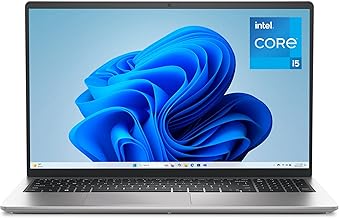
The Dell 15.6″ DC15250 lands in the mainstream sweet spot. Its Core i5-1334U and 512GB SSD keep everyday work responsive, while the 120Hz FHD display makes scrolling and streaming noticeably smoother than typical budget laptops. A backlit keyboard and platinum silver finish add a premium touch for the price.
HP 17.3 inch Laptop (17-cn3399nr)
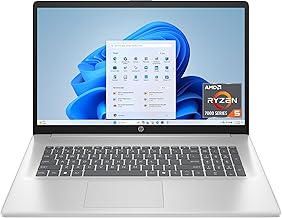
For a shared family desk, the HP 17.3-inch with a Core i5-1334U, 16GB of RAM, and a 512GB SSD gives everyone a big, comfortable FHD workspace. The Intel Iris Xe graphics handle photo editing and casual games, making this a versatile hub the whole household can rely on.
HP OmniBook 3 17.3 inch
The HP OmniBook 3 17.3-inch is a budget-friendly big-screen option built around an AMD Ryzen 3 chip, 8GB of RAM, and a 512GB SSD. It is ideal for browsing, streaming and light productivity when you want a large display without a large price, and Radeon 610M graphics keep everyday visuals crisp.
Frequently Asked Questions
How much RAM do I need for home use in 2026?
8GB is enough for basic browsing and office work, but 16GB is the smarter buy if you keep many tabs open, run video calls, or want the laptop to stay fast for several years.
Is an SSD really necessary?
Yes. An SSD dramatically improves boot times, app launches, and overall responsiveness. Every laptop in this guide uses SSD storage, which is the single biggest upgrade over older hard-drive machines.
What screen size is best for a family laptop?
A 15.6-inch display suits most households, but a 17.3-inch model is easier to share and gentler on the eyes for long sessions, while a 14-inch is best if portability matters most.
Do these laptops support Copilot and AI features?
Several models, including the HP 14″ 2026 Edition and the Dell units with Copilot keyboards, are built with Windows 11 AI features in mind, so you get modern assistance out of the box.
Final Thoughts
For most homes in 2026, the HP 14″ 2026 Edition is the versatile all-rounder, while the Dell 16 DC16251 is the pick if you want more memory, storage and screen for serious multitasking. Choose based on how your household uses a laptop, prioritize an SSD and adequate RAM, and any of these models will serve reliably for years of everyday work and play.