Key takeaways
- Wi-Fi standard: Wi-Fi 7 brings multi-link operation and the 6GHz band for lower latency and less congestion, while Wi-Fi 6E remains an excellent value step up from older hardware.
- Quality of service: Strong QoS or a dedicated game-acceleration engine prioritises your game traffic over downloads and streams, keeping ping stable when the network is busy.
- Wired ports: Multi-gig 2.5G and 10G ports future-proof your setup and let a wired gaming PC bypass Wi-Fi entirely for the lowest possible latency.
- Mesh support: If you game far from the router, mesh compatibility lets you extend fast, seamless coverage without dead zones.
- Firmware and security: Look for subscription-free security and, for tinkerers, open firmware like OpenWrt that unlocks custom DNS, VPN and advanced traffic control.
What's inside
Your graphics card gets all the glory, but in an online match it is your router that decides whether you land the shot or rubber-band back to where you started. A dedicated gaming router tames latency with traffic prioritisation, blankets your home in fast Wi-Fi and shrugs off the congestion of a busy household so your packets always get a clear lane. In 2026, with Wi-Fi 7 hitting the mainstream, the gap between a generic ISP box and a purpose-built gaming router has never been wider.
We evaluated the top routers on the metrics that actually affect play: real-world latency, quality-of-service controls, wired port speeds, mesh flexibility and long-term firmware support. From no-compromise flagships to sensible mid-range powerhouses, the picks below cover a range of budgets while keeping one goal in focus, delivering the lowest, most consistent ping your connection can manage.
As an Amazon Associate we earn from qualifying purchases at no extra cost to you. Product prices and availability are accurate as of the date shown and are subject to change.


⚡ Save on Your Next PC — Amazon Prime
Prime members get fast free shipping on the systems above, plus early access to Prime Day & Black Friday PC deals. New members get a 30-day free trial.
Watch: Best Gaming Router 2026 — Video Review
How to Choose a Gaming Router
- Wi-Fi standard: Wi-Fi 7 brings multi-link operation and the 6GHz band for lower latency and less congestion, while Wi-Fi 6E remains an excellent value step up from older hardware.
- Quality of service: Strong QoS or a dedicated game-acceleration engine prioritises your game traffic over downloads and streams, keeping ping stable when the network is busy.
- Wired ports: Multi-gig 2.5G and 10G ports future-proof your setup and let a wired gaming PC bypass Wi-Fi entirely for the lowest possible latency.
- Mesh support: If you game far from the router, mesh compatibility lets you extend fast, seamless coverage without dead zones.
- Firmware and security: Look for subscription-free security and, for tinkerers, open firmware like OpenWrt that unlocks custom DNS, VPN and advanced traffic control.
The Best Gaming Routers Reviewed
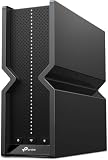
ASUS ROG Rapture GT-BE98 Pro
The no-holds-barred flagship, this quad-band Wi-Fi 7 monster pushes up to 30Gbps of aggregate throughput and stacks every acceleration trick ASUS offers. Multiple 10G ports, triple-level game acceleration and rock-solid AiMesh support make it overkill for most homes and glorious for enthusiasts with fast internet and a house full of demanding devices. If you want the absolute best and budget is no object, this is it.
TP-Link Archer GE650
A more attainable Wi-Fi 7 pick, the tri-band GE650 pairs an 11Gbps ceiling with a dedicated gaming port, a game-acceleration panel and RGB flourishes for the LED crowd. Dual 5G and multiple 2.5G ports give wired players serious headroom, and TP-Link’s HomeShield keeps the network protected. It delivers flagship features at a noticeably friendlier price than the top-tier ASUS.
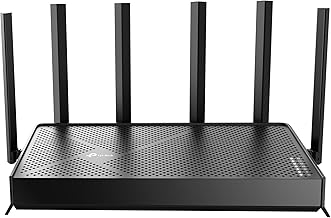
ASUS RT-BE88U
For players who prioritise wired performance, the RT-BE88U brings dual 10G ports and 34G of total capacity in a comparatively restrained Wi-Fi 7 package. It is the pick for a setup built around Ethernet, feeding a gaming PC, a NAS and a console over blistering wired links while still offering mesh compatibility for whole-home coverage.
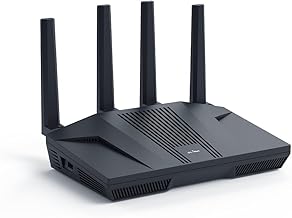
GL.iNet Flint 2
The tinkerer’s darling, the Flint 2 ships with OpenWrt and dual 2.5G ports, offering 6Gbps of Wi-Fi 6 throughput alongside deep control over DNS, VPN and traffic rules. It is not the flashiest option, but for players who want to fine-tune every aspect of their network, run a VPN at router level, or squeeze out buffer-bloat, its flexibility is unmatched at the price.
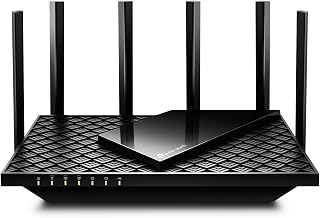
TP-Link Archer AX73
Proof you do not need Wi-Fi 7 to game well, the AX73 delivers dependable AX5400 dual-band coverage, long range and a proven track record for a modest outlay. It is the sensible choice for players on a mainstream connection who want stable, low-latency Wi-Fi across a typical home without paying for cutting-edge standards they cannot yet saturate.
Frequently Asked Questions
Do I need Wi-Fi 7 for gaming in 2026?
Not strictly. Wi-Fi 7 offers lower latency and better congestion handling, which enthusiasts will appreciate, but a solid Wi-Fi 6 or 6E router still delivers excellent gaming performance. Upgrade to Wi-Fi 7 if you have many devices or a very fast internet plan.
Does a gaming router lower my ping?
A gaming router reduces latency spikes and jitter through quality-of-service prioritisation and better hardware, keeping your ping stable when the network is busy. It cannot shorten the physical distance to a game server, but it removes the local bottlenecks that cause lag.
Is a wired connection still better than Wi-Fi for gaming?
Yes. A wired Ethernet link offers the lowest and most consistent latency, which is why routers with fast 2.5G and 10G ports matter. Use Wi-Fi for convenience, but connect your main gaming rig with a cable whenever possible.
What is game acceleration or QoS?
These features let the router recognise game traffic and give it priority over less time-sensitive data like downloads and video streams. The result is steadier ping during heavy household network use, which is one of the biggest real-world benefits of a gaming router.
Final Thoughts
A gaming router is one of the most underrated upgrades a competitive player can make, turning an unstable connection into a reliable, low-latency lifeline. The ASUS ROG Rapture GT-BE98 Pro is the dream flagship for enthusiasts, while the TP-Link Archer GE650 brings Wi-Fi 7 gaming features to a far more sensible budget. Match the Wi-Fi standard and port speeds to your internet plan and household size, and your online play will feel dramatically more consistent.