Key takeaways
- Processor: An Intel Core i5, Core 7, or AMD Ryzen 5 handles everyday tasks with ease; entry chips like the N150 suit light browsing and streaming.
- Memory: Aim for 16GB of RAM for smooth multitasking; 8GB works for basic use but fills up quickly with many tabs.
- Storage: A 256GB SSD is the practical minimum; 512GB or 1TB gives room for photos, files, and apps.
- Display & size: A 14- or 15.6-inch FHD screen balances readability and portability; 17-inch models suit stationary use.
- Battery life: Look for all-day endurance so you are not tethered to an outlet around the house.
What's inside
Finding the best laptop for a home user is less about chasing top-tier specs and more about balance. Most people working, studying, or relaxing at home need something reliable, comfortable to use, and priced sensibly, not a gaming powerhouse that costs a fortune and roars under load. The sweet spot is a laptop that browses smoothly, handles office apps, streams video, and lasts through a full day.
To help you choose, we have rounded up a range of home-friendly laptops from HP, Dell, Lenovo, and ASUS. They span budget-friendly essentials to more capable everyday machines, so there is a strong match whatever your priorities and budget.
As an Amazon Associate we earn from qualifying purchases at no extra cost to you. Product prices and availability are accurate as of the date shown and are subject to change.




🎮 Get More From Your Setup — Free
Prime Gaming gives you free PC games every month, in-game loot, and a free Twitch channel sub — plus fast free shipping on all the gear above. New members get a 30-day free trial.
Watch: Best Laptop For Home User — Video Review
How to Choose the Best Home Laptop
- Processor: An Intel Core i5, Core 7, or AMD Ryzen 5 handles everyday tasks with ease; entry chips like the N150 suit light browsing and streaming.
- Memory: Aim for 16GB of RAM for smooth multitasking; 8GB works for basic use but fills up quickly with many tabs.
- Storage: A 256GB SSD is the practical minimum; 512GB or 1TB gives room for photos, files, and apps.
- Display & size: A 14- or 15.6-inch FHD screen balances readability and portability; 17-inch models suit stationary use.
- Battery life: Look for all-day endurance so you are not tethered to an outlet around the house.
The Best Home Laptops Reviewed
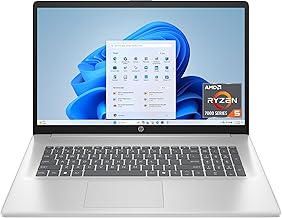
HP 15.6″ FHD Laptop (2026 Edition)
This HP hits the mainstream sweet spot with an FHD display, 8GB of RAM, a 256GB SSD, and Copilot AI features. At just 3.64 lbs it is light enough to move room to room, and the bundled 5-in-1 hub adds handy connectivity. It is a dependable all-rounder for students and office work at home.
Dell 15.6″ DC15250 Laptop
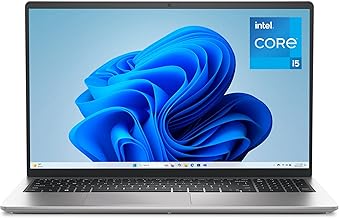
Dell’s DC15250 pairs an Intel Core i5-1334U with a 120Hz FHD display, a 512GB SSD, Wi-Fi 6, and a backlit keyboard. The faster refresh rate makes scrolling and everyday interaction feel unusually smooth for this price class, and the platinum-silver finish looks smart on any desk.
Dell 16″ DC16251 Laptop
If you want more screen real estate, this 16-inch Dell offers a taller 16:10 FHD+ anti-glare panel, an Intel Core 7 150U, 16GB of RAM, and a 1TB SSD. The extra memory and storage make it a comfortable long-term choice for multitasking and keeping years of files close at hand.
Lenovo V15 Gen 4 Business Laptop
Lenovo’s V15 brings a business focus with an Intel Core i5-13420H, 16GB of RAM, a 512GB SSD, and a full port selection including HDMI, RJ45, and a numeric keypad. It is a practical, no-frills workhorse for anyone who wants ports and productivity over flash.
HP 14 Essential Laptop (2026 Edition)
For the lightest, most affordable option, the HP 14 Essential runs an Intel N150 with a 128GB SSD and long battery life. It is aimed at simple browsing, email, streaming, and cloud-based work, making it a fine secondary or budget primary machine.
Frequently Asked Questions
How much RAM does a home laptop need?
16GB is ideal for comfortable multitasking and future-proofing. 8GB is workable for light, single-task use but can feel tight with many browser tabs open.
Is an SSD important?
Absolutely. An SSD makes a laptop boot, launch apps, and load files far faster than an older hard drive. Every model here uses SSD or fast flash storage.
Do I need a touchscreen at home?
It is a nice convenience but not essential. A standard FHD display is perfectly good for browsing, streaming, and office work; choose touch only if you specifically want it.
Which size is best?
A 15.6-inch laptop is the most popular all-rounder. Choose 14 inches for portability or 16 to 17 inches if the laptop mostly stays on a desk.
Final Thoughts
The best home laptop is the one that fits your daily routine without overspending. For most people the HP 15.6″ or Dell DC15250 strikes the ideal balance of performance, comfort, and price. If you want more memory and storage, the 16-inch Dell is a smart upgrade, while the HP 14 Essential covers lighter, budget-conscious needs. Any of these will make working, learning, and relaxing at home feel effortless.