Key takeaways
- Looking for the best gaming chairs for large people 3? Learn how to check weight capacity, seat width, backrest height and frame strength before you buy.
As an Amazon Associate we earn from qualifying purchases.
A standard gaming chair can feel like a squeeze for a larger gamer, and the real decision is not about colour or racing stripes but about whether the seat, frame and base are actually built for your body. Chairs that look identical in photos can differ enormously in seat width, backrest height, weight rating and the strength of the parts underneath, so picking by appearance alone is how people end up with a chair that pinches at the hips, leaves the headrest at shoulder level, or starts to wobble after a few months of daily use.
This guide is for bigger and taller players, heavier streamers who sit for long broadcasts, and anyone whose current chair feels too narrow, too short or too flimsy. The advice below draws on the names and specifications listed on Amazon product pages for big and tall gaming chairs, so you can compare listings on the same measurements instead of guessing from marketing photos.
How to Choose
Shopping for a larger frame means checking a handful of measurements before anything else, and the listings that hide those numbers are usually the ones to skip. Work through the four areas below in order, and you will be able to shortlist chairs that genuinely fit rather than ones that merely claim to. Keep a tape measure and your own height and weight nearby while you read listings, so you can test every claim against your body instead of relying on memory or guesswork.
Weight Capacity and Frame Strength
Start with the maximum weight recommendation printed in the listing, and look for a rating that sits comfortably above your own weight rather than exactly at it. A chair rated for 400 pounds gives a heavier player far more margin than one rated for 300, because the rating covers the frame, gas lift, tilt mechanism and base working together. Steel tube frames and metal five-star bases hold up better over time than plastic parts, so check the materials section for steel frame and metal base, and treat a listing that never names its frame material as a warning sign. The gas lift matters too, since it takes your full weight every time you sit down.
Seat Width, Depth and Shape
Measure your own hip width first and compare it against the seat width in the listing. Big and tall models commonly offer seats around 22 to 24 inches wide, while standard racing chairs often stop near 20 inches, and that gap is the difference between relaxed thighs and bolsters pressing into your legs. Seat depth matters just as much: a deeper seat supports long legs without cutting into the back of your knees, while a shallow seat leaves tall players perched on the edge. Flat seats with gentle bolsters suit broad frames better than deep bucket seats, because tall side wings narrow the usable sitting area even when the headline width looks generous.
Backrest Height and Headrest Position
A backrest ending at your shoulder blades cannot support your head and neck, so look for a high backrest with a headrest that reaches the back of your head. Big and tall backrests often run 32 to 34 inches from the seat, so compare the backrest and overall heights in the listing against your torso length rather than your total height. Adjustable headrest pillows help when the fixed headrest sits too low, and lumbar pillows or built-in lumbar support keep the lower back from rounding forward during long sessions. If you are over six foot four, check the maximum seat height too, since a chair that cannot rise high enough leaves your knees above your hips.
Recline, Armrests and Everyday Adjustments
Recline range, armrest movement and tilt tension decide whether the chair adapts to you through a long evening or locks you into one posture. Many big and tall chairs recline between 90 and 155 degrees, and an infinite angle lock lets you stop at the exact tilt you want. Armrests that move in several directions matter for broad shoulders, since fixed armrests can force your elbows outward; look for armrests that adjust in height and width at minimum. A tilt tension knob and a 360-degree swivel round out the basics, and a footrest helps if you like to stretch out between matches, provided it folds away when you sit close to your desk.
Which One Fits Your Situation
No single chair suits every larger player, because a tall streamer, a broad-shouldered competitive gamer and a heavier casual player all need different things from the same piece of furniture. Match the chair to your own situation below before you compare individual models, and rank the measurements in the order that fits your body. A chair that is perfect for one larger player can still be wrong for another, so let your own height, weight and daily sitting time set the priorities.
Measurements matter more than brand names here, because two chairs that look identical can differ by several inches in seat width or backrest height. Measure your own seat width, shoulder height and the height of your desk or console setup before you compare models, and write the numbers down. A chair that fits those numbers will feel right within minutes, while a chair chosen on looks alone can feel wrong for years. The situations below start from the measurement that matters most for each type of larger player.
Tall Players Who Need Height First
If height is your main problem, backrest height and seat height range should lead every comparison. A tall backrest with a headrest that reaches the back of your head keeps your neck from craning forward, and a seat that rises high enough keeps your knees level with your hips instead of jacked upward. Wide seats still matter, but a tall, slim player can accept a narrower seat in exchange for extra backrest height, so rank the vertical measurements first.
Heavier Players Who Need Capacity First
If weight is your main concern, the weight rating and base should lead, with seat width close behind. A high-capacity frame with a metal base and a heavy-duty gas lift stays stable and level instead of leaning or sinking over time. Flat, wide seats without aggressive bolsters make the rated capacity usable, because a chair can claim a high limit while its seat still squeezes you. Check frame and base materials in the listing rather than trusting the headline number.
Long-Session Streamers and Remote Workers
If you sit for six or more hours a day, padding quality and lumbar support matter as much as size, because a chair that fits but offers no lower-back support still leaves you aching. Look for thick seat foam that holds up under load, adjustable lumbar support or a shaped lumbar pillow, and breathable upholstery if you run warm. A footrest and a generous recline range help you shift position between sessions, which saves your back across a long day.
Budget-Conscious Buyers Who Still Need a Real Fit
If money is tight, spend it on measurements that cannot be fixed later: weight capacity, seat width and backrest height. Adjustable armrests and a footrest are pleasant extras, but a chair that is too narrow or too short cannot be adjusted into fitting you, so let the core dimensions win. Compare a few listings side by side on those three numbers, and wait for the right size rather than settling for a standard chair that happens to be on sale.
Common Mistakes
Most bad chair purchases come from the same few oversights, and they are easy to avoid once you know what to watch for. Read through the mistakes below before you order, and check your shortlist against each one. A few minutes of checking now saves the cost and hassle of returning a chair that never fit in the first place. The pattern is almost always the same: a chair bought on looks alone, without a single measurement checked.
- Buying by the photo instead of the measurements: a racing-style chair can look wide and supportive while its seat is actually narrower than your hips, so always check the seat width, seat depth and backrest height in the listing before anything else.
- Trusting a weight rating without checking the base: the headline capacity means little if the base is plastic or the gas lift is a standard class, so look for a metal base, a steel frame and a heavy-duty lift in the specifications.
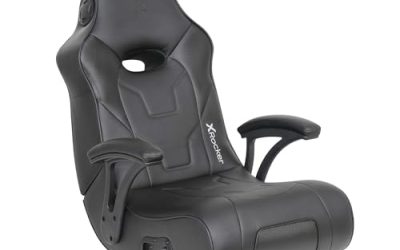
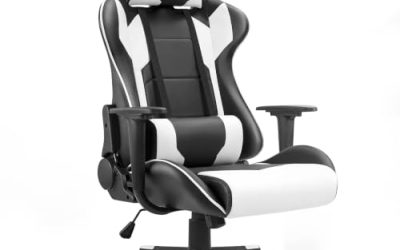
- Choosing deep bucket bolsters that shrink the seat: tall side wings look sporty but eat into the usable sitting width, and broad players usually sit more comfortably on a flatter seat with gentle bolsters that leave room to shift.
- Ignoring seat height range when you are tall: a chair with a generous backrest can still leave a tall player uncomfortable if the seat cannot rise high enough, so check the minimum and maximum seat height against your leg length and desk height.
- Forgetting the floor and the desk setup: heavy chairs with hard casters can mark wooden floors and roll poorly on thick carpet, and a wide chair needs enough space to swivel and recline without hitting the desk or the wall behind it.
Frequently Asked Questions
These are the questions larger players ask most often when they start comparing chairs, and the answers below pull together the measurements and checks from the sections above. If you read nothing else, read these four answers, because they cover the decisions that make the biggest difference to comfort. Each one points back to a number you can verify on the listing.
What weight capacity should a gaming chair for a large person have?
Look for a rating comfortably above your body weight, not exactly at it, because the margin covers the frame, gas lift and base under daily load. Many big and tall chairs are rated for 350 to 400 pounds; heavier players should favour the higher end with a metal base and steel frame. A rating alone is not enough, so check the materials section to confirm the frame and base materials.
How wide should the seat be on a gaming chair for a large person?
Measure your hip width while seated, then look for a seat a couple of inches wider so the bolsters do not press your thighs. Big and tall models commonly offer seats around 22 to 24 inches wide, while standard chairs stop near 20 inches, and the difference is noticeable at first sit. Flat seats with gentle bolsters feel wider than their numbers suggest, while deep bucket seats can feel narrower.
What backrest height works best for tall gamers?
Look for a backrest around 32 to 34 inches from the seat, with a headrest that reaches the back of the head, not the shoulders. Check the backrest and overall heights in the listing against your torso length, not your total height. Adjustable headrest pillows help when the fixed headrest sits too low, and a high seat-height range matters, since a chair that cannot rise enough leaves knees high.
Are big and tall gaming chairs good for office work as well?
Yes, if the chair fits your body and desk, because the wide seat, tall backrest and strong frame that suit gaming also support long work sessions. Look for adjustable lumbar support and armrests that move in several directions, and recline for shifting posture. Check the fit at your desk: the chair should slide under it with the armrests clear, and the seat height should let your feet rest flat.
FAQ
What weight capacity should a gaming chair for a large person have?
How wide should the seat be on a gaming chair for a large person?
What backrest height works best for tall gamers?
Are big and tall gaming chairs good for office work as well?
More from Amazon
Programs that pair well with the guide above. Offers and eligibility are set by Amazon and may change.
Free shipping on eligible items, Prime Video and more. Eligible new members can start with a free trial.
Start a Prime free trialAd-free music streaming. Eligible new subscribers can start with a free trial.
Try Music Unlimited freeA Prime membership for ages 18-24 with a trial period. Eligibility is set by Amazon.
See Prime for Young AdultsAudiobooks and podcasts to listen to on the go. Eligible new members can start with a free trial.
Try Audible freeAs an Amazon Associate we earn from qualifying purchases.