Our Top Picks
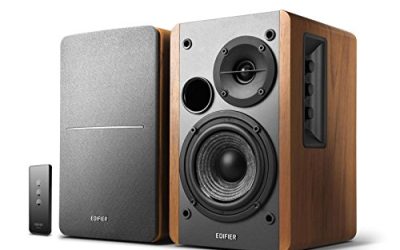
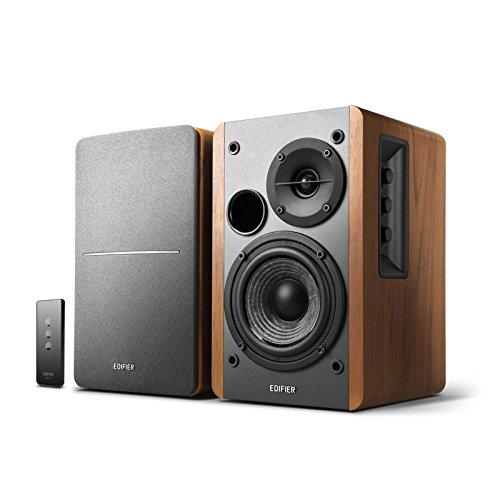 Edifier R1280T Powered Bookshelf Speakers -2.0 Near Field6.9 x 9.5 x 5.8 inches10.8 poundsCheck on Amazon
Cheap bookshelf speakers come with a catch that trips up first-time buyers: some pairs plug straight into a laptop or turntable, while others stay silent until you add a receiver or amplifier. Before comparing drivers and wattage, the real decision is whether you want powered speakers that work out of the box or passive pairs that reward a bit of extra gear. This guide splits eight low-cost options along that line so the shortlist matches your setup instead of your hopes.
It is aimed at renters, students, desk gamers and vinyl beginners who want a real step up from TV speakers without spending like an audiophile. In 2026, entry-level powered models routinely bundle Bluetooth, USB-C and even TV connections, which blurs the old line between computer speakers and shelf speakers. The words “cheap” and “bookshelf” mostly tell you the size and budget tier, so the picks below focus on what each pair connects to and where its compromises sit.
Quick Picks
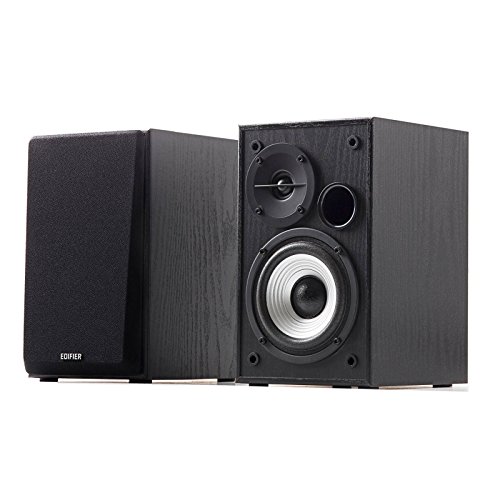
Edifier R980T 4" Active Bookshelf Speakers - 2.0 Computer Speaker - Powered Studio Monitor (Pair)
One of the consumer electronics options compared in this guide.
View on Amazon
Elimavi Passive Bookshelf Speakers, Requires a Receiver or Amplifier, Brown | 2-Way Design with 4" Woofer & 1" Silk Horn Tweeter, 60Hz Bass, Rear Speakers for Home Theater Surround Sound, Cables included
One of the consumer electronics options compared in this guide.
View on Amazon
Klipsch R-41M Reference Bookshelf Speakers (Pair), Black
One of the consumer electronics options compared in this guide.
View on Amazon
RIOWOIS Passive Bookshelf Speakers for Home Theater Surround Sound, Satellite Stereo Speakers with Crisper Sound and Classic Wood Grain for Record Player/Computer/TV, Wall Mountable, One Pair.
One of the consumer electronics options compared in this guide.
View on AmazonEdifier R1280T Powered Bookshelf Speakers -2.0 Near Field Studio Monitor | 2.0 Active Near Field Studio Monitor Speaker - Wooden Enclosure - 42 Watts RMS Power
One of the consumer electronics options compared in this guide.
View on Amazon
NSY Audio Powered Computer Speakers for Desktop PC and Music, Black Pair | Powered 60W Bookshelf Stereo with Bass, Bluetooth 5.3, USB-C/AUX/RCA, for Monitor Gaming, Laptop, Record Player, Wood Finish
One of the consumer electronics options compared in this guide.
View on Amazon
BESTISAN Bluetooth Bookshelf Speakers, 25W X 2 Powered TV Speakers with 3 Inch Woofer, Turntable Speakers with ARC/AUX/Type-C/Bluetooth 5.4/Subwoofer Line Out for PC/Desktop/Turntable
One of the consumer electronics options compared in this guide.
View on Amazon
Electrohome Huntley Powered Bookshelf Speakers with Built-in Amplifier and 3" Drivers for Turntable, TV, PC and Wireless Music Streaming Featuring Bluetooth 5, RCA and Aux (EB10)
One of the consumer electronics options compared in this guide.
View on Amazon| Product | Best for | Key spec from the title |
|---|---|---|
| Edifier R980T | Desk and studio-style listening | 4-inch active pair, 2.0 |
| Elimavi passive pair | Existing receiver owners | 4-inch woofer, 1-inch silk horn tweeter, 60Hz bass |
| Klipsch R-41M | Stepping up in quality | Reference bookshelf pair |
| RIOWOIS passive satellites | Home theater surround duty | Satellite stereo, wood grain finish |
| Edifier R1280T | Near-field music and PC | Powered, 42 watts, wooden enclosure |
| NSY Audio powered speakers | PC and Bluetooth flexibility | 60W, Bluetooth 5.3, USB-C/AUX/RCA |
| BESTISAN Bluetooth speakers | TV and turntable | 25W x 2, 3-inch woofer, ARC, Bluetooth 5.4 |
| Electrohome Huntley | Retro-styled all-rounder | Built-in amplifier, 3-inch drivers |
How to Choose
Decide between powered and passive first
Powered (active) speakers contain their own amplifier, so you connect a source with a 3.5mm cable, RCA, USB-C or Bluetooth and you are done. Passive speakers need a receiver or amplifier, and they will not make a sound from a laptop alone. A passive pair can be the better long-term buy if you already own an amp, because the budget goes into drivers and cabinets instead of electronics. If you do not own an amp, add the cost of one before calling a passive pair cheap.
Check the inputs you actually use
List your sources before shopping. A TV needs ARC or optical input; a turntable needs a phono-capable input or a preamp; a PC works with USB, 3.5mm or Bluetooth. RCA inputs cover most turntables and consoles, while Bluetooth 5.0 or newer helps for casual phone streaming. A subwoofer output is worth having if you might add bass later. Missing the one input you need is the most common reason these speakers get returned. Also confirm the cable type in the box, since some pairs ship with a speaker wire between the two cabinets while others expect you to supply it, and a short wire can dictate how far apart the speakers can sit.
Driver size, wattage and bass expectations
Three- to four-inch woofers give clear mids and vocals but limited deep bass, usually dropping off somewhere around 60Hz. Five-inch drivers go lower and fill bigger rooms. Wattage figures from different brands are not directly comparable, so use them as a rough guide: 20W to 30W per channel is plenty for a bedroom or desk, while a living room benefits from more headroom. Do not expect rumbling bass from small cabinets without a subwoofer.
Where budget pairs cut corners
Low-cost models typically use thin cabinets, basic crossovers and plastic knobs, and they may lack protective grilles or remote controls. Wood-grain vinyl wraps look warm but are not the same as solid wood. Ignore flashy peak-power claims, and focus on cabinet material, input variety, build quality and a clear warranty. A pair that sounds balanced at moderate volume is a better daily companion than one that is loud but harsh.
The 8 Best Options
Edifier R980T
This active 4-inch pair is built for people who want studio-style monitors on a desk without buying a separate amplifier. The listing calls it a 2.0 computer speaker and a powered studio monitor, which signals a neutral, near-field intent aimed at writers, editors and gamers who sit close to their speakers.
- Powered design means no receiver is required, so setup is one cable and a power outlet.
- Four-inch drivers suit desk and small-room listening.
- Trade-off: the title mentions no Bluetooth or TV input, so connectivity may be limited to wired sources.
Skip it if you want wireless streaming or a TV connection out of the box.
Elimavi passive bookshelf speakers
A budget-friendly passive pair for people who already own an amplifier or receiver and want to add speakers without paying for redundant electronics. The listing describes a 2-way design with a 4-inch woofer, a 1-inch silk horn tweeter and 60Hz bass response in a brown finish.
- A silk horn tweeter and 2-way layout aim for smoother treble than single-driver designs.
- The brown cabinet suits traditional shelves and living rooms.
- Trade-off: the title says it requires a receiver or amplifier, adding cost and complexity.
Skip it if you plan to plug straight into a laptop or phone, because it will stay silent without an amp.
Klipsch R-41M
The most recognizable audio brand here and the natural step up for listeners who care about clarity more than gadgets. The title only says reference bookshelf speakers in a pair, in black, so it reads as a traditional design where the listing mentions no built-in amplification or wireless features.
- Established reference-series branding suggests tuned, hi-fi-oriented sound.
- Sold as a pair in a clean black finish that suits most rooms.
- Trade-off: expect to supply your own amplifier or receiver, and a mid-range cost relative to budget picks.
Skip it if you want a plug-and-play desk speaker or the lowest possible spend.
RIOWOIS passive satellite speakers
Designed with home theater surround duty in mind, this pair offers satellite stereo sound, a classic wood-grain look and a pitch aimed at record players too. It fits a living room where a receiver is already in place and the goal is adding channels or a second listening zone.
- Wood-grain styling blends into traditional decor and vinyl corners.
- Satellite size works for surround channels or small stereo setups.
- Trade-off: it is passive, so it depends on a receiver, and the title offers few hard specs to compare.
Skip it if you need USB, Bluetooth or desk-ready convenience.
Edifier R1280T
A step up in the Edifier family for near-field listening, with a wooden enclosure and 42 watts according to the title. It suits PC desks, small studios and anyone who wants powered speakers with a more furniture-like cabinet and a calmer, music-first character.
- Powered near-field design works directly with a computer or music player.
- Wooden enclosure and 42 watts suggest more body than tiny satellites.
- Trade-off: the title does not list Bluetooth, so wireless streaming may need an adapter.
Skip it if you want built-in wireless connection or a very small footprint.
NSY Audio powered computer speakers
A connectivity-rich pair for people who juggle sources. The title cites 60W bookshelf stereo with bass, Bluetooth 5.3 and USB-C, AUX and RCA inputs, covering PC, phone and many turntable or console setups without adapters or extra boxes.
- Bluetooth 5.3 plus three wired inputs handle most sources in a small room.
- Powered design needs no extra amplifier.
- Trade-off: a 60W headline figure from a lesser-known brand should be read cautiously.
Skip it if you prefer well-established hi-fi brands or need an ARC TV connection.
BESTISAN Bluetooth bookshelf speakers
The TV-friendly choice. The listing mentions 25W per speaker, 3-inch woofers, ARC, AUX, Type-C, Bluetooth 5.4 and a subwoofer output, making it a flexible hub for a television, a turntable and a phone in a bedroom or small living room.
- ARC support simplifies connecting a modern TV with a single cable.
- Subwoofer output leaves room to add bass later.
- Trade-off: 3-inch woofers limit deep bass without a subwoofer.
Skip it if you want larger drivers or simple desk-only use.
Electrohome Huntley
A retro-styled powered pair with a built-in amplifier and 3-inch drivers, positioned for turntables, TVs, PCs and wireless streaming. It suits vinyl newcomers and decor-minded buyers who care about looks as much as specs and want one pair to cover several sources.
- Built-in amplifier means no extra box on the shelf.
- Works with turntable, TV, PC and wireless sources per the listing.
- Trade-off: 3-inch drivers keep bass light.
Skip it if you want a neutral studio sound or larger cabinets.
Which One Fits Your Situation
You own a receiver already
The Klipsch R-41M is the quality-first choice if you can stretch the budget, and the Elimavi passive pair is the more frugal alternative with a 2-way layout and a silk horn tweeter. Either one makes sense because the amplifier cost is already covered.
You want something for a desk and a PC
The Edifier R1280T gives a near-field, wooden-cabinet setup for music and work, while the NSY Audio pair adds Bluetooth 5.3 for phones and tablets. The R980T is the simpler, cleaner choice if you only need wired sound.
You are connecting a TV and a turntable
The BESTISAN pair brings ARC and a subwoofer output for later upgrades, and the Electrohome Huntley offers a retro look with a built-in amplifier for a living room record corner.
You are adding rear or surround channels
The RIOWOIS satellite pair is described for home theater surround duty, so it fits a system where a receiver already drives the main speakers.
Common Mistakes
- Buying a passive pair without budgeting for a receiver or amplifier.
- Ignoring input compatibility, especially ARC for TVs and RCA for turntables.
- Chasing peak wattage claims instead of cabinet quality and balanced sound.
- Pushing speakers against a wall or into a shelf, which muddies bass and softens detail.
- Expecting small three-inch drivers to deliver deep, room-shaking bass.
Related guides
- How To Fix Stick Drift On Xbox And Ps5 Controllers
- How Long Does A Gaming Laptop Last Before Upgrade
- Gaming Chairs For Tall People Over 6 Foot 3
Frequently Asked Questions
Do bookshelf speakers need an amplifier?
Passive models do, while powered (active) ones include one. Listing wording such as “requires a receiver or amplifier” or “powered” tells you which type you are buying, so read the title before the marketing bullets. A few pairs advertise both options through different listings, which makes it easy to order the wrong one.
Can bookshelf speakers be used with a PC?
Yes, powered pairs connect through 3.5mm, USB-C, RCA or Bluetooth. Passive pairs need an amplifier in between, so they are less convenient for desk use.
Are cheap bookshelf speakers good for vinyl?
They can be, provided the turntable has a built-in preamp or the speakers include a phono-friendly input. Otherwise you need a separate preamp, which adds a small cost.
Do I need a subwoofer?
Not always. For desk and bedroom listening, small drivers are fine, but a subwoofer output helps if you later want deeper bass for movies and games. Placing the pair on stands away from walls also tightens bass without any extra spending, which is worth trying before you add a sub.