Key takeaways
- Open vs closed back: Open-back cans offer a wider soundstage for positional audio; closed-back models isolate noise and contain leakage.
- Soundstage and imaging: Accurate imaging helps you locate enemies by ear, so prioritize detail over exaggerated bass.
- Comfort: You’ll wear these for hours, so look for plush pads and manageable clamp force.
- Impedance: Higher-impedance models may want a dedicated amp; lower-impedance cans run fine from most devices.
- Microphone plan: Since most lack a mic, budget for a clip-on or desktop mic to complete the setup.
What's inside
Ask any audio enthusiast and they’ll tell you a secret the marketing rarely mentions: some of the best “gaming” headphones were never sold as gaming gear at all. Studio and audiophile headphones prioritize accurate, detailed sound, which happens to be exactly what you want for pinpointing footsteps, gunfire, and directional cues in competitive play.
The trade-off is that these headphones usually lack a built-in mic, so you’ll pair one with a standalone boom or clip-on mic. For many players, the leap in audio fidelity is well worth that small extra step. Here are the top picks, followed by how to choose the right one.
As an Amazon Associate we earn from qualifying purchases at no extra cost to you. Product prices and availability are accurate as of the date shown and are subject to change.




🎮 Get More From Your Setup — Free
Prime Gaming gives you free PC games every month, in-game loot, and a free Twitch channel sub — plus fast free shipping on all the gear above. New members get a 30-day free trial.
Watch: Best Non Gaming Headphones For Gaming — Video Review
How to Choose Non-Gaming Headphones for Gaming
- Open vs closed back: Open-back cans offer a wider soundstage for positional audio; closed-back models isolate noise and contain leakage.
- Soundstage and imaging: Accurate imaging helps you locate enemies by ear, so prioritize detail over exaggerated bass.
- Comfort: You’ll wear these for hours, so look for plush pads and manageable clamp force.
- Impedance: Higher-impedance models may want a dedicated amp; lower-impedance cans run fine from most devices.
- Microphone plan: Since most lack a mic, budget for a clip-on or desktop mic to complete the setup.
The Best Non-Gaming Headphones for Gaming Reviewed
Sennheiser HD 560S
An open-back reference headphone with a spacious soundstage and neutral tuning, superb for hearing exactly where sounds come from in competitive shooters.
Audio-Technica ATH-M50X
A studio-monitor classic with a closed-back design, detailed sound, and a detachable cable. It’s a versatile, durable pick that isolates well for late-night sessions.
Sony MDR7506
A professional monitoring staple with 40mm drivers and closed-back design. Its analytical, honest sound reveals details many gaming headsets smear over.
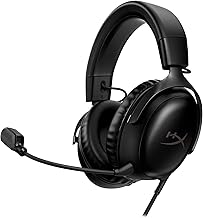
HyperX Cloud III
For those who still want an integrated mic, this wired headset bridges the gap with angled 53mm drivers, spatial audio, and a clear detachable mic.
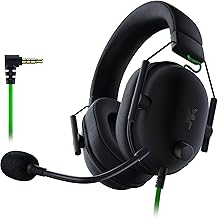
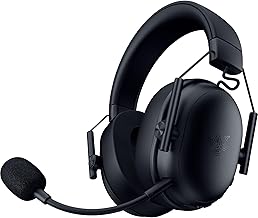
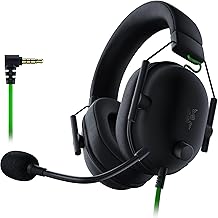
Razer BlackShark V2 X
A lightweight gaming headset with 50mm drivers and memory foam that offers a familiar all-in-one alternative if you’d rather skip the separate microphone.
Frequently Asked Questions
Why use studio headphones for gaming?
They deliver accurate, detailed sound that makes positional audio cues like footsteps and reloads easier to pinpoint, often outperforming bass-heavy gaming headsets.
How do I add a microphone to headphones without one?
Attach a clip-on lavalier or a modular boom mic, or use a quality desktop microphone. Many competitive players prefer a standalone mic for clearer voice chat anyway.
Are open-back headphones better for gaming?
Open-back designs typically offer a wider soundstage and better imaging, which helps with positioning, but they leak sound and don’t block outside noise. Choose based on your environment.
Do I need an amplifier?
Only for higher-impedance headphones. Many studio cans run well straight from a motherboard or phone, but a small amp can improve volume and control for demanding models.
Final Thoughts
For serious positional audio, the open-back Sennheiser HD 560S is the standout, while the closed-back Audio-Technica ATH-M50X offers detail plus isolation. If you want a built-in mic, the HyperX Cloud III is the easiest all-in-one alternative.